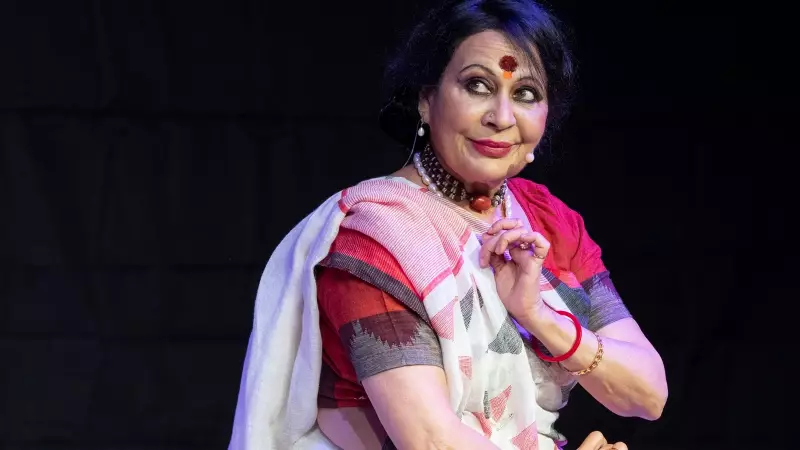
At 81, Padma Vibhushan awardee Dr Sonal Mansingh stands as a towering pillar of Indian classical dance, her life a testament to unwavering dedication. In a candid conversation, the legendary Bharatanatyam guru reflects on her illustrious journey, her role at the Nalanda Literature Festival, and her dynamic interactions with a new generation of students.
A Life Shaped by Struggle and Grace
When asked to reflect on her eight decades, Dr Mansingh expresses profound gratitude. Her 81 years have been a journey of dance, learning, and constant evolution. The honours she has received, she believes, acknowledge not just her personal work but decades of faith in Indian classical arts, the countless students she has mentored, and her collaborators.
"My dance has been shaped by struggle, resilience and an abiding love for art and culture," she shares. Looking back, she sees a life lived in service of tradition, creativity, and a broader cultural awakening. For her, the greatest reward is the continuous thread of art she witnesses through her young students.
Chairing the Nalanda Literature Festival: A Natural Fit
Dr Mansingh is currently the chairperson of the Nalanda Literature Festival, a role she finds deeply aligned with her values. She praises the festival for embodying the ancient Nalanda's spirit of wisdom, openness, and the confluence of ideas.
"This year is special because it brings back the old spirit of Nalanda, where ideas and art naturally come together," she states. She commends the hard work of festival director Ganga Kumar and his team. Seeing younger audiences find their own connections to tradition at such events fills her with immense joy, reaffirming the unique warmth created when literature, music, and dance share a space.
For her performance at the festival, she plans to present a piece that interweaves classical music, dance, and storytelling. Her aim is to make the audience feel the living, breathing pulse of these ancient traditions, believing that art done with sincerity can touch every heart, regardless of age.
Gen Z: Fresh Energy Meets Ancient Discipline
Dr Mansingh's perspective on Generation Z is refreshingly optimistic. She finds them sharp, curious, and genuinely open when something captures their interest. "Once they connect with classical dance, they give it their full attention," she observes. Their tendency to explore, question, and understand works in favour of traditional arts, she believes.
She actively teaches many Gen Z students today and embraces the generational gap with humour. Their slang and jokes—like 'cooked', 'rizz', or 'vibe'—are new to her, but she considers that unimportant. What she values is their infectious energy, willingness to learn, and the fresh perspectives they bring into the rehearsal room.
"Their curiosity keeps the art form alive and moving forward," she says. She encourages them to bring their own voices into dance, provided they remain rooted in the essential pillars of discipline, respect for tradition, and a deep understanding of aesthetics.
The Enduring Relevance of Festivals in a Digital Age
In an era dominated by bite-sized mobile content, Dr Mansingh strongly defends the significance of literature and cultural festivals. She argues that these events provide the invaluable time and space for people to listen deeply, think critically, and engage in meaningful conversation.
They foster a sense of community that virtual interactions often lack. Most importantly, such festivals help society stay connected to its cultural roots, which require patience and dedicated attention to appreciate fully—a stark contrast to the rapid scroll of a social media feed.
For Dr Sonal Mansingh, being a dancer in India is a profound blessing. It is the fortune of carrying forward an ancient art form, bringing emotions and ideas to life through movement and music. As she continues to teach and perform, she sees dance not just as a performance, but as a lifelong journey of sharing, learning, and fulfilment—a powerful medium to touch hearts and ensure a rich heritage vibrantly lives on for generations to come.