The recent visit of Russian President Vladimir Putin to India, marking the 25th anniversary of the Declaration on Strategic Partnership, has cast a spotlight on a relationship anchored not just in geopolitics but in a remarkably rich tapestry of cultural exchange. Beyond the high-level talks, the enduring bond between the two nations is vividly alive in the shared love for Bollywood icons like Shah Rukh Khan, the timeless tales of Leo Tolstoy, and the intricate patterns of folk art.
From Folktales to Film Songs: The People's Connection
The cultural bridge was built early through literature. For generations of Indians growing up in the 1970s and 1980s, Russian fairy tales like Vasilisa the Beautiful (Roopvati Vasilisa in Hindi) were beloved childhood companions. Publishing houses like Raduga and Progress made these stories widely accessible in Indian languages at subsidised prices. This literary exchange deepened with the 1986 Doordarshan series Katha Sagar, which brought to life six of Tolstoy's empathetic stories, including adaptations of How Much Land Does a Man Need? and Where Love Is, God Is.
On the other side, Indian cinema, with its vibrant colour and emotional depth, captured Russian hearts. The iconic "Awara Hoon" from Raj Kapoor's films remains a classic, while Mithun Chakraborty's Disco Dancer and its hit song "Jimmy Jimmy" achieved cult status. Recent blockbusters like Pathaan and Tiger 3 have been shot in Russia, continuing this cinematic dialogue. The connection is mutual, as seen in Vishal Bhardwaj's song "Darling" from 7 Khoon Maaf, which drew direct inspiration from the Russian folk song "Kalinka."
Art, Exhibitions and the Handicraft Diplomacy
Cultural diplomacy often finds its most beautiful expression in art and handicrafts. During President Putin's visit, Prime Minister Narendra Modi's gifts were a testament to this, featuring:
- A Russian-translated copy of the Shrimad Bhagwad Gita.
- GI-tagged Assam black tea and Kashmiri saffron.
- A silver horse handicraft from Maharashtra and a carved silver tea set from Bengal.
- A marble chess set with inlay work from Uttar Pradesh.
Parallelly, exhibitions like Russian artist Nikas Safronov's "Dream Vision" at Delhi's Lalit Kala Akademi (December 7-21) showcased paintings of Indian and Russian landmarks. Charity fairs like the "Carousel of Kindness" at the Russian Embassy school further highlighted folk arts and crafts.
Shared Aesthetics in Folk Art and Wellness
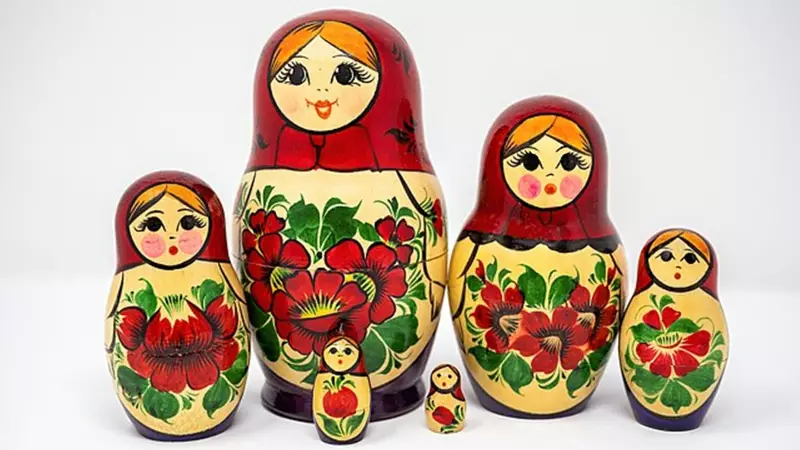
The artistic parallels between the two cultures are striking. Russia's Khokhloma folk art, with its red, black, and gold floral motifs on wood, finds a visual cousin in India's Kashmiri papier-mâché. Similarly, the blue-and-white ceramics of Russia's Gzhel art resonate with India's blue pottery tradition.
Indian artisans have also creatively adopted Russian symbols. Madhubani artists from Bihar have produced their own versions of the iconic Matryoshka (nesting) dolls, infusing them with local metaphors and folklore. Beyond objects, practices like Yoga have become a massive cultural export to Russia, with over a million practitioners. This wellness bridge was reinforced during the visit with an MoU to promote Ayurveda and health tourism.
The latest issue of Russia Digest, aptly titled 'Druzhba–Dosti' (Friendship), celebrates this multifaceted relationship. It underscores that the strategic partnership between India and Russia is powerfully undergirded by decades of people-to-people connections, shared stories, and mutual artistic admiration—a soft power foundation that continues to strengthen bilateral ties.