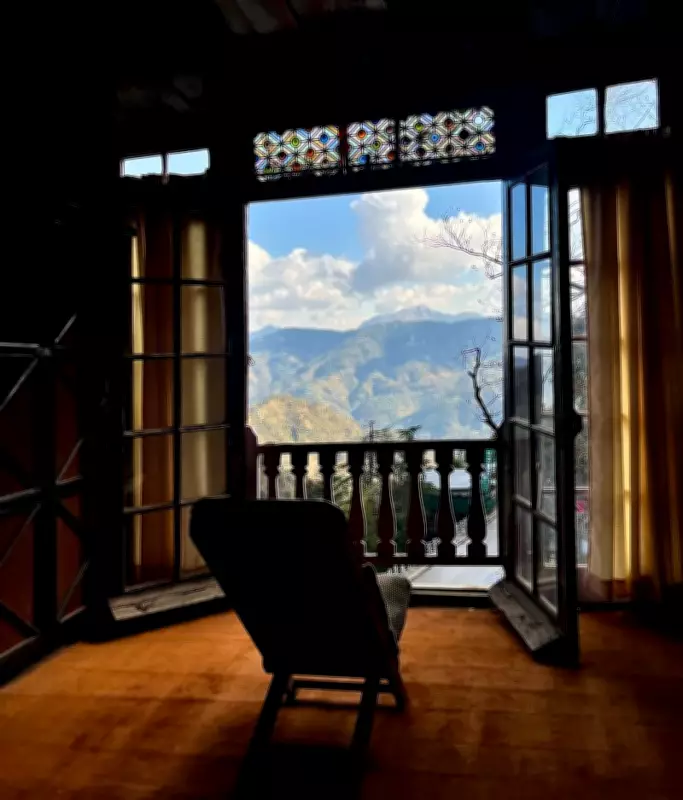
The Stories Himachali Houses Tell: A Journey Through Architectural Heritage
In the picturesque landscapes of Himachal Pradesh, traditional houses stand as silent storytellers, weaving tales of culture, history, and human ingenuity. These structures, often overlooked in modern times, hold profound narratives that reflect the region's unique identity and the resilience of its people. This article delves into the architectural heritage of Himachali houses, exploring how they narrate stories of adaptation, community, and artistic expression.
Architectural Design and Climate Adaptation
The design of Himachali houses is a masterclass in climate adaptation, showcasing how local communities have harmonized with their environment over centuries. Built primarily from locally sourced materials such as wood, stone, and slate, these homes are engineered to withstand the harsh Himalayan weather. Sloping roofs, for instance, are a common feature, designed to shed heavy snowfall and prevent structural damage. Thick stone walls provide insulation against cold winters, while wooden beams and intricate carvings add both strength and aesthetic appeal.
Moreover, the layout of these houses often includes multi-story constructions, with the ground floor typically used for livestock and storage, and upper floors serving as living spaces. This design not only maximizes space in mountainous terrain but also reflects a symbiotic relationship between humans and animals, integral to rural life in Himachal Pradesh. The use of natural materials ensures sustainability, reducing the carbon footprint and preserving ecological balance.

Cultural Narratives and Symbolism
Beyond their functional aspects, Himachali houses are rich in cultural symbolism, telling stories of beliefs, traditions, and social structures. Ornate wooden carvings, known as 'kath-kuni' or 'dhajji-dewari' techniques, adorn many homes, depicting motifs from mythology, nature, and daily life. These carvings serve as visual narratives, passing down folklore and values through generations. For example, patterns of deities, flowers, and animals often symbolize protection, prosperity, and harmony with nature.
The interior spaces of these houses also reveal social dynamics, with designated areas for family gatherings, rituals, and community events. The 'baithak' or sitting room, for instance, is a central hub for storytelling and decision-making, fostering a sense of unity and shared identity. Additionally, the placement of windows and doors often aligns with traditional beliefs, such as inviting positive energy or warding off evil spirits, highlighting the deep spiritual connection embedded in the architecture.
Community Life and Historical Context
Himachali houses are not just individual dwellings but integral parts of a larger community fabric, reflecting historical contexts and collective experiences. In villages, houses are often clustered together, connected by narrow lanes and shared courtyards, promoting social interaction and mutual support. This layout underscores the importance of community bonds in mountainous regions, where cooperation is essential for survival and well-being.
Historically, these houses have witnessed significant events, from agricultural cycles and festivals to political changes and migrations. Their construction techniques, passed down through oral traditions and apprenticeships, embody centuries of knowledge and skill. However, in recent times, modernization and urbanization pose threats to this heritage, with many traditional houses being replaced by concrete structures. This shift risks erasing the stories these homes tell, making preservation efforts crucial for maintaining cultural continuity.
Preservation and Future Prospects
Efforts to preserve Himachali architectural heritage are gaining momentum, driven by local initiatives, government schemes, and growing awareness among younger generations. Organizations and artisans are working to document and restore old houses, using traditional methods to ensure authenticity. Tourism also plays a role, with heritage walks and homestays offering visitors insights into these architectural marvels, fostering appreciation and economic benefits for communities.

Looking ahead, integrating modern amenities with traditional designs could offer a sustainable path forward, allowing Himachali houses to evolve while retaining their storytelling essence. By valuing this heritage, we not only honor the past but also inspire future generations to cherish and learn from the stories these houses tell, ensuring that the cultural tapestry of Himachal Pradesh remains vibrant and intact.