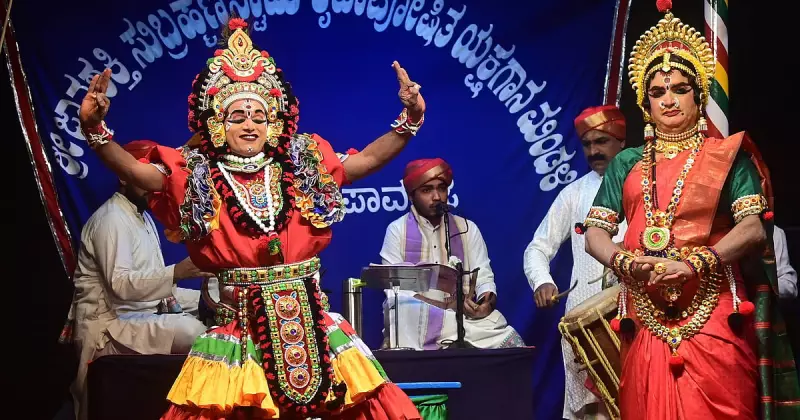
A unique spiritual and cultural tradition from coastal Karnataka is experiencing a significant revival. Yakshagana Bayalata Harake Seve, the age-old practice of organizing Yakshagana performances as an offering to fulfil a sacred vow or promise, is seeing an unprecedented surge in demand across the region.
What is Harake Seve?
For centuries, devotees in the districts of Dakshina Kannada and Uttara Kannada have turned to this vibrant art form to express their gratitude to the divine. When someone makes a vow or 'Harake' for the well-being of a family member, success in an endeavour, or recovery from illness, they pledge to host a Yakshagana performance upon its fulfilment. This practice, deeply woven into the local fabric of faith, is not just entertainment but a sacred ritual of thanksgiving.
A Flourishing Tradition in Modern Times
Recent years have marked a notable increase in the number of such performances. Troupes, known as 'Melas', affiliated with major temples like the Kateel Shri Durgaparameshwari temple, are receiving more requests than ever before. The initiation of the annual tour for these dedicated troupes is a collective event, showcasing the scale of this tradition.
Artistes from troupes such as the Pavanje Mela prepare meticulously for these tours, tying their characteristic anklets ('gejje') before embarking on their spiritual journey. Performances are held in villages and towns, like Gundabala in Uttara Kannada district, transforming local spaces into stages for divine stories and communal celebration. The tradition has even reached famous pilgrimage centres like Dharmasthala.
The Drivers of Resurgence
This resurgence is attributed to a renewed interest in cultural roots and a steadfast belief in traditional practices among the local communities. The visual spectacle of Yakshagana, with its elaborate costumes, vigorous dance, and dramatic storytelling, combined with its devotional purpose, continues to hold immense appeal. The practice supports hundreds of artists, preserving a classical art form while serving a contemporary spiritual need.
As reported on 17 December 2025, this trend highlights how ancient customs are not only surviving but thriving, adapting to modern contexts while retaining their core essence of faith and community service.