Tamil Nadu's Geographical Indication Registry Grows Amidst Toda Embroidery Controversy
In December 2025, Tamil Nadu significantly bolstered its portfolio of regionally protected products by adding five new entries to its Geographical Indication (GI) list. This strategic expansion elevates the state's total to an impressive 74 GI-tagged items, positioning it just three behind the national leader, Uttar Pradesh. The announcement was met with considerable celebration, highlighting Tamil Nadu's rich cultural and artisanal heritage. However, beneath the surface of this achievement, a complex and heated debate is unfolding in the picturesque Nilgiris district, centering on the true implications of a GI tag and its limitations.
Understanding Geographical Indications: More Than Just a Label
A Geographical Indication serves as a certification that identifies products—whether agricultural, textile-based, handicrafts, or manufactured goods—as originating from a specific geographical area. This designation guarantees that the item possesses unique qualities, characteristics, or a reputation intrinsically linked to its place of origin. It acts as a marker of authenticity and quality for consumers, assuring them of the product's genuine provenance. The legal framework, as outlined in the Geographical Indications Act of 1999, specifies that such goods must derive their essential attributes from their geographical roots, with at least one production activity occurring within the designated region.
The Heart of the Controversy: Toda Embroidery and Community Exclusivity
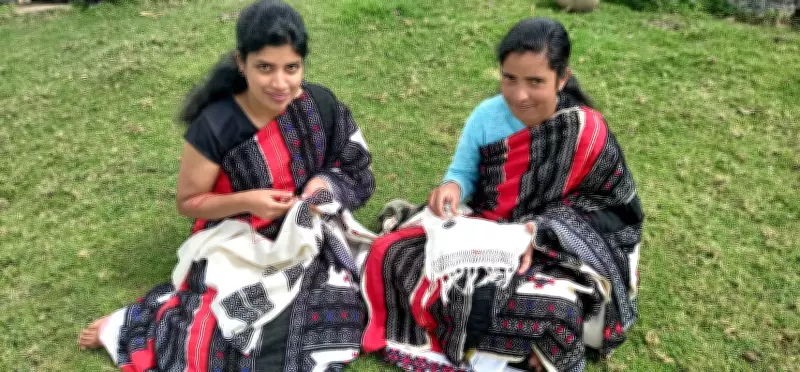
At the core of the current dispute is Toda embroidery, a traditional art form from the Nilgiris that was granted GI status back in 2013. Unlike many GI products that bear a region's name, Toda embroidery is uniquely named after the indigenous Toda tribal community that has practiced this craft for generations. This distinction has sparked a contentious question: does the GI tag restrict the practice of this art form to members of the Toda community alone?

The controversy intensified recently when Sheela Powell, founder of the Ooty-based organization Shalom, was accused of employing women from outside the Toda community for embroidery work. Registered under the Societies Act, Shalom has been dedicated to empowering Toda women for decades, engaging approximately 50 artisans to create intricate embroidery on items like cushion covers, shawls, purses, bags, and coats. The allegations led to Powell's arrest under the Prevention of SC/ST Atrocities Act, resulting in over two weeks of judicial custody, and ignited a fierce backlash from the Toda community. Many Toda women assert that the GI status grants them exclusive rights to practice and profit from their ancestral art.
Legal Perspectives: GI Tag vs. Community Rights
Legal experts clarify that a GI tag primarily protects the product itself, not the practitioners. According to T B Suresh Kumar of TSK Legal in Chennai, "Anyone can practice the art associated with a GI tag if they meet the criteria set by the registry and operate within the designated geographical region. But no one in that region can claim exclusivity or exclusive rights over the art." He emphasizes that a GI is a geographical indication, not a patent, trademark, or copyright, and does not confer ownership rights to a specific community.
Echoing this view, P Sanjai Gandhi, a renowned GI expert responsible for over 55 tags, states that there is no legal prohibition against non-Toda individuals creating GI-tagged embroidery. "The activity must, however, take place within the recognised geographical region, irrespective of the community, and must strictly adhere to the specifications, descriptions, methods of production, uniqueness, and quality outlined in the accepted GI application," explains Gandhi, who serves as president of the Intellectual Property Attorney Association. He further notes that GI-certified designs cannot be replicated on unauthorized goods, raising questions about online sales of Toda embroidery on items like sarees, which may not comply with the Act's specifications.
The Distinctiveness of Toda Embroidery: A Cultural Treasure
Toda embroidery is renowned for its unique characteristics that set it apart from other needlework traditions:

- It is not merely a stitching pattern but an art form where designs are inspired by nature.
- The embroidery is meticulously done by counting threads, often on the reverse side of the cloth, creating a rich, embossed effect on the surface.
- Traditionally, the base material was hand-woven and white in color (unbleached), though coarsely woven power loom fabric is now commonly used.
- Two-ply woollen threads have replaced cotton, and the palette is strictly limited to red, black, and occasionally blue, with no other colors permitted.
Broader Implications: Preservation vs. Participation
Currently, about 400 Toda women are actively involved in this embroidery practice, yet there are growing concerns about the art form's survival. Residents of the Nilgiris warn that if participation remains restricted to the Toda community alone, this cultural heritage risks fading into obscurity. They argue that art should transcend caste and community barriers, and broader involvement within the region is essential for its preservation. The controversy underscores a critical tension between protecting traditional knowledge and fostering inclusive economic opportunities, highlighting the need for clearer guidelines and community dialogue in the implementation of GI tags.
As Tamil Nadu celebrates its expanding GI registry, the Toda embroidery debate serves as a poignant reminder that legal frameworks must balance authenticity with accessibility, ensuring that cultural treasures are both safeguarded and sustainably perpetuated for future generations.