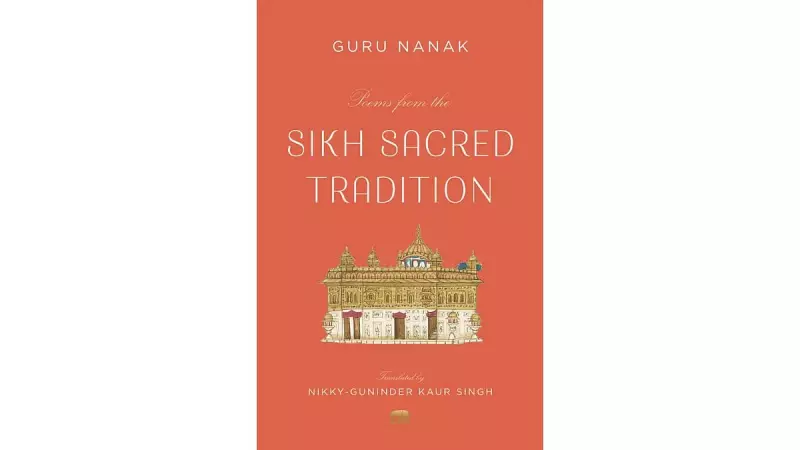
The monumental task of translating the Sikh holy scripture, the Guru Granth Sahib, from its original Gurmukhi into English is a journey that spans over a decade and a half. This is not merely a linguistic exercise but a profound spiritual and scholarly endeavor, as undertaken by renowned academic Nikky-Guninder Kaur Singh. Her work, culminating in a new English translation published by Penguin Classics, opens the sacred hymns to a global audience while navigating immense theological complexity.
The Sacred Foundation and Scholarly Challenge
The Guru Granth Sahib is the eternal Guru of the Sikhs, a compilation of devotional hymns, philosophical poetry, and teachings of the Sikh Gurus and other saint-poets from different backgrounds. Composed primarily in Gurmukhi, it incorporates languages like Braj, Persian, and Sanskrit, creating a rich tapestry of spiritual expression. Translating such a text requires more than fluency; it demands deep immersion in its spiritual core, poetic meter, and historical context.
For Nikky-Guninder Kaur Singh, a professor of Religious Studies at Colby College in the USA, this project became a 15-year commitment. Her approach was unique, focusing on conveying the rasa or the essential aesthetic and emotional flavor of the original verses. She moved beyond a purely literal translation to capture the poetic beauty and devotional essence, aiming to make the text resonate with contemporary readers while maintaining its sacred integrity.
Navigating Linguistic and Philosophical Hurdles
The translation process was fraught with significant challenges. One primary hurdle was the multilingual and metaphor-rich nature of the original text. Words and concepts often have layers of meaning rooted in specific cultural and spiritual milieus. Finding precise English equivalents for terms like ‘Waheguru’ or the nuanced symbolism in Guru Nanak’s poetry required meticulous care and deep contemplation.
Another critical aspect was addressing the inherent masculine bias in previous English translations. Singh consciously worked to use gender-inclusive language where the original intent was universal, highlighting the scripture’s inherent message of equality. This feminist hermeneutic is a distinctive feature of her work, aiming to present a more authentic and inclusive interpretation of the Gurus’ teachings.
Implications and Global Accessibility
The completion and publication of this translation by a major global publisher like Penguin Classics have far-reaching implications. It significantly enhances the accessibility of Sikh teachings for the diaspora, students of religion, and spiritual seekers worldwide. This translation acts as a vital bridge, fostering greater understanding of Sikhism’s core values of devotion, justice, and oneness.
However, the act of translation itself sparks ongoing dialogue within scholarly and religious communities. Debates continue about the balance between literal accuracy and poetic fluidity, and the interpretation of complex theological concepts. Singh’s work contributes to this vital conversation, emphasizing the living, dynamic nature of the scripture and its relevance in the modern age.
In essence, translating the Guru Granth Sahib is an act of both reverence and intellectual rigor. Nikky-Guninder Kaur Singh’s 15-year journey underscores the immense responsibility involved in making a sacred text accessible. Her work does not claim to be the final word but offers a heartfelt, scholarly, and poetic gateway into the spiritual universe of the Sikh Gurus, ensuring their timeless message continues to inspire across languages and cultures.