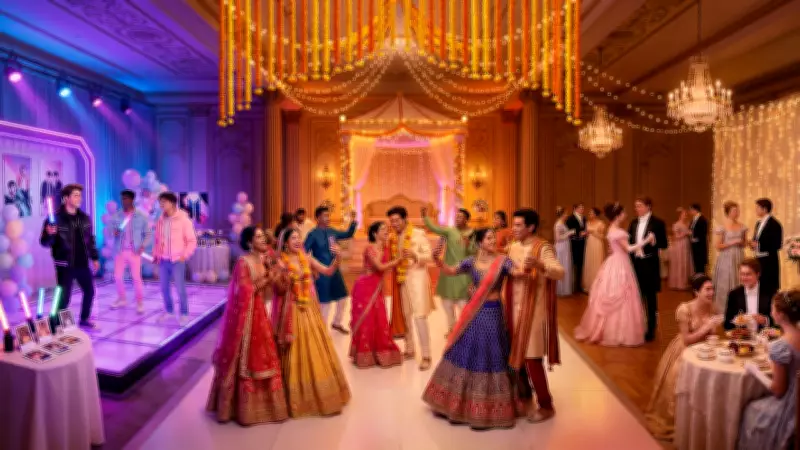
The Rise of Theme Parties: How Immersive Events Are Redefining Social Gatherings
The contemporary social landscape has experienced a profound transformation, with theme parties emerging as a dominant force in how people connect and celebrate. Gone are the days of generic gatherings; today, it's all about Bridgerton-inspired balls or Taylor Swift-themed extravaganzas. This shift represents more than just a passing trend—it's a cultural movement that blends entertainment, psychology, and marketing into a powerful social ecosystem.
What Exactly Are Theme Parties?
At their essence, theme parties are curated events built around a singular, cohesive concept that influences every aspect of the experience. Unlike traditional parties where the atmosphere develops organically, themed gatherings are meticulously planned from the outset. The central idea dictates the dress code, decorations, music selection, food offerings, and even guest behavior throughout the evening.
Participants might find themselves transported to a Regency-era ballroom, a high-stakes game arena, a mock wedding celebration, or a glamorous "wear your best outfit" affair. This structured approach eliminates the anxiety of appropriate attire, replacing it with the creative freedom of embodying a specific character or aesthetic. Interestingly, many find this role-playing more liberating than simply attending as themselves.

Theme parties have effectively democratized the exclusive energy of events like the Met Gala, making immersive experiences accessible in living rooms, neighborhood bars, and intimate venues. What once required elaborate productions and official permissions now thrives through fan-driven initiatives and community enthusiasm.
The Driving Forces Behind the Theme Party Phenomenon
While social media visibility plays a significant role, the complete explanation involves a sophisticated interplay of technological advancement, psychological understanding, and strategic marketing. Event designers and marketers have intentionally crafted themes to be deeply immersive, personally resonant, and highly shareable on digital platforms.
Prerna Bansal, Founder of Zero2One Marketing, observes: "The theme party boom isn't a trend that happened to brands. For the smartest ones, it's a trend they engineered. Modern consumers don't want to be advertised to—they want to participate." This insight reveals how theme parties represent the ultimate expression of experiential marketing, where audiences don't just watch content but actively inhabit it.
Bharat Subramanian of Big Trunk Communications explains further: "When a party or event is designed around a clear narrative—whether for a film launch, streaming show, or product category—it allows audiences to step into the brand's universe rather than just see an advertisement." This immersive approach creates stronger emotional connections and higher recall than conventional marketing campaigns.
The Psychological Appeal of Themed Gatherings
Beneath the surface glamour and decorative elements lies a profound psychological foundation. Theme parties address fundamental human needs for connection, identity, and shared experience in our increasingly digital world.
Trainee clinical psychologist Yukta Sharma explains how social media has transformed fan relationships: "Because you can see artists in a similar fashion to a close friend online, you can trick your brain into thinking they actually are just as close as a friend." Themed events extend this psychological connection into physical spaces, validating these para-social bonds through collective participation.
Sharma's research highlights the "in-group effect" that emerges when individuals transition from solitary fans to members of a cohesive community. She describes the phenomenon of collective effervescence—that electric energy that arises when groups synchronize around shared activities like singing lyrics simultaneously. Remarkably, scientific studies confirm that participants' brainwaves actually synchronize during such shared live experiences, particularly when focused on common music or movements.

For regular attendees like Rini, the appeal combines emotional fulfillment with personal development: "Theme parties are about new experiences, meeting new people and learning new things. They help me do better as a person and for society by shifting my perspectives on others." This perspective explains why people willingly invest in both official and unofficial events, viewing them as valuable life experiences rather than mere entertainment.
The Marketing Strategy Behind Immersive Events
From a commercial perspective, theme parties represent sophisticated, user-generated marketing campaigns. Brands intentionally create "themeable" content with distinctive visual identities, color palettes, and recognizable elements that fans can easily recreate in their own gatherings.
Communication professional Tonmoyee Kashyap describes how campaigns are designed from inception to be adaptable: "From the first mood-board, teams choose strong identities, distinct colour palettes and recognisable icons specifically so they can be remembered and recreated later in fan content." This strategic approach transforms user-generated content into powerful marketing engines.
Kashyap explains the measurable benefits: "When people restage a campaign shot in their own homes or parties and post it on social media, they ultimately end up using certain keywords about the brand. Social listening tools then pick up the spikes in conversation, allowing brands to measure how much 'voice of share' is coming from these organic recreations." This extends campaign lifecycles far beyond traditional advertising timelines while building authentic credibility through earned media rather than paid promotions.
Data collected from themed events informs broader business strategies. As Bansal notes, every hashtag, product purchase, and Pinterest board reveals which characters, aesthetics, and story elements resonate most deeply with audiences. This intelligence shapes merchandise development, sequel planning, and marketing budget allocation across entertainment industries.
The Future of Theme Parties and Immersive Experiences
Theme parties have evolved from occasional novelties to established social norms, reflecting deeper changes in how audiences engage with entertainment content. Marketing strategies now integrate promotional elements directly into initial concept development rather than treating them as afterthoughts.
For streaming platforms and content creators, themed events provide crucial engagement bridges between major releases. Neelima Burra from Luminous explains: "When brands collaborate with communities and local organisers, events evolve into shared cultural experiences that sustain engagement long after the headline moment has passed." This transforms seasonal content drops into high points within continuous engagement arcs rather than isolated events.
Independent creators like filmmaker Hrutul Patel approach projects as expansive IP ecosystems: "The idea is to create a space where music, storytelling, philosophy and immersive visuals come together to form a larger narrative world. The audience is surrounded by the story from all six sides, making them feel like participants inside the narrative rather than spectators." This philosophy explains why successful themes adapt to different cities while maintaining core narrative integrity.
As theme parties continue to flourish, they represent more than entertainment—they've become support systems built around shared emotional investments. The distance between screen content and lived experience continues to shrink, transforming what was once passive consumption into active participation. The question is no longer why theme parties have become so popular, but rather: Which immersive world will you enter next, and who will join you in the experience?