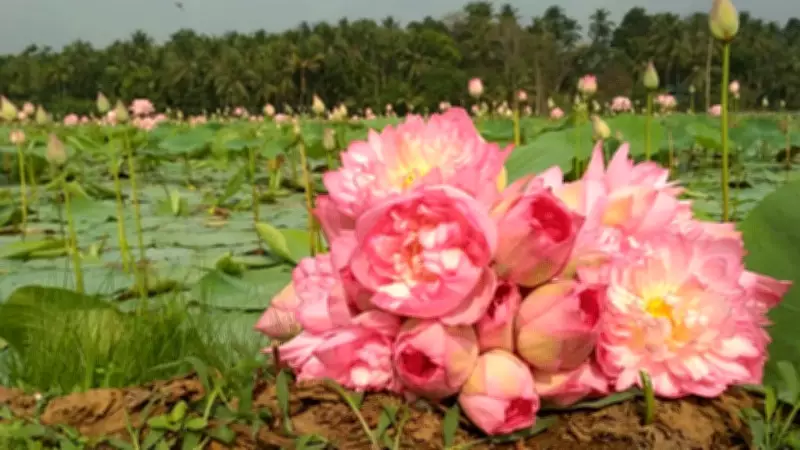
Thirunavaya Lotus: A Unique Tale of Kerala's Communal Harmony
In the culturally rich state of Kerala, a remarkable story of communal harmony unfolds through the simple yet sacred lotus flower. Many prominent temples across Kerala rely on lotus flowers cultivated by traditional farmers in Thirunavaya, a practice that highlights deep-rooted interfaith cooperation.
The Role of Muslim Farmers in Temple Traditions
Most of these farmers in Thirunavaya belong to the Muslim community, yet they have been cultivating lotus flowers for generations, specifically for use in Hindu temple rituals. This tradition underscores a unique bond between different religious groups in Kerala, where mutual respect and collaboration transcend religious boundaries.
The lotus, revered in Hinduism for its purity and spiritual significance, is an essential element in various temple ceremonies and offerings. By sourcing these flowers from Muslim farmers, temples not only ensure the quality and authenticity of the lotus but also foster a spirit of unity and shared cultural heritage.

Historical and Cultural Significance
This practice dates back decades, if not centuries, and has become an integral part of Kerala's social fabric. It serves as a powerful example of how communities can work together, respecting each other's beliefs while contributing to common cultural practices. The story of the Thirunavaya lotus is often cited as a 'Kerala story' of harmony, reflecting the state's reputation for peaceful coexistence.
In recent times, this tradition has gained attention as a symbol of hope and resilience against divisive forces. It reminds us that in a diverse country like India, such instances of cooperation are vital for maintaining social cohesion and promoting national integration.
Impact on Local Economy and Community Relations
The cultivation of lotus flowers in Thirunavaya provides a sustainable livelihood for many Muslim families, contributing to the local economy. At the same time, it strengthens ties between the Muslim and Hindu communities, as temples regularly engage with these farmers for their floral needs. This economic interdependence further cements the bonds of harmony and mutual support.
As Kerala continues to navigate the complexities of modern society, the story of the Thirunavaya lotus stands as a testament to the enduring power of communal harmony. It encourages other regions to look beyond religious differences and embrace collaborative efforts that benefit all sections of society.
In conclusion, the Thirunavaya lotus is more than just a flower; it is a living symbol of Kerala's commitment to unity in diversity. This 'Kerala story' serves as an inspiration for fostering peace and cooperation across India and beyond.