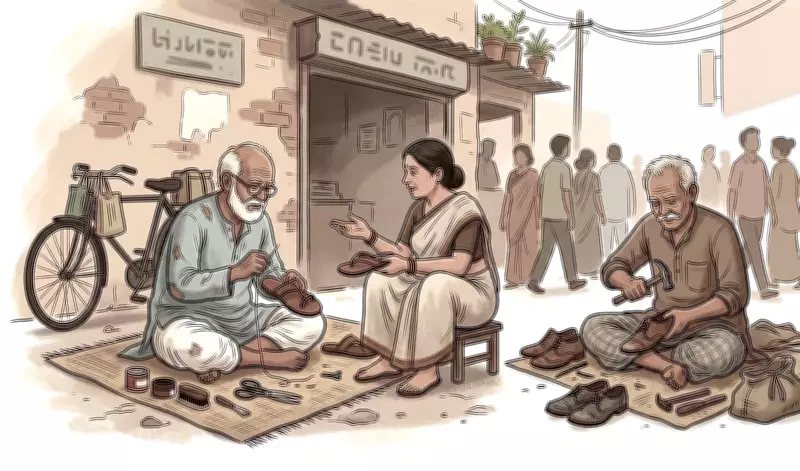
The Vanishing Cobbler: A Dying Tradition in Modern India's Urban Landscape
In the bustling streets of India's cities, a familiar figure is becoming increasingly rare: the traditional cobbler. Once a ubiquitous presence, mending shoes and sandals for generations, these artisans are now fading into obscurity, victims of rapid economic shifts and evolving consumer preferences. This decline raises profound questions about the preservation of cultural heritage and the livelihoods of those who have long served communities with their skilled hands.
Economic Pressures and Changing Habits
The disappearance of cobblers is driven by multiple factors. Economic pressures have made it difficult for these small-scale artisans to sustain their businesses. Rising costs of materials, such as leather and adhesives, coupled with stagnant or low income from repairs, have squeezed their margins. Many cobblers report earning barely enough to cover daily expenses, forcing them to seek alternative employment or rely on family support.
Simultaneously, changing consumer habits have reduced demand for shoe repairs. In an era of fast fashion and disposable goods, people are more likely to discard worn-out footwear and purchase new pairs rather than invest in mending. The proliferation of affordable, mass-produced shoes has made replacement cheaper and more convenient than repair, undermining the cobbler's traditional role.

Lack of Support and Urban Development
Urban development and lack of institutional support have further marginalized cobblers. Many cities have implemented stricter regulations on street vendors and informal businesses, often pushing cobblers out of prime locations or making it harder for them to operate legally. Without designated spaces or government assistance, these artisans struggle to maintain a visible presence in urban areas.
Moreover, there is a notable absence of training programs or financial aid to help cobblers adapt to modern challenges. Unlike other traditional crafts that have received attention through cultural initiatives, cobblers are frequently overlooked, leaving them without resources to innovate or sustain their trade in a competitive market.
Cultural and Social Implications
The decline of cobblers is not just an economic issue; it has cultural and social ramifications. For decades, cobblers have been integral to local communities, offering personalized service and building relationships with customers. Their disappearance erodes a piece of India's urban fabric, where such interactions fostered a sense of continuity and shared history.
Additionally, this trend highlights broader shifts in India's economy towards formalization and technology-driven services. As informal sectors shrink, there is a risk of losing valuable skills and knowledge passed down through generations. Preserving these traditions could involve:
- Integrating cobblers into cooperative societies for better market access.
- Promoting repair culture through awareness campaigns on sustainability.
- Providing subsidies or training to modernize their techniques.
Looking Ahead: Challenges and Opportunities
While the future seems bleak for many cobblers, some opportunities exist for revival. A growing interest in sustainability and handmade products could spark renewed demand for shoe repairs, especially among environmentally conscious consumers. Initiatives that blend traditional craftsmanship with contemporary design might help cobblers reach new audiences.
However, without concerted efforts from policymakers, community organizations, and the public, the cobbler's trade may continue to dwindle. Addressing this issue requires a multifaceted approach that balances economic viability with cultural preservation, ensuring that these artisans are not forgotten in India's march towards modernity.