Vijay Deverakonda's Alta Moment: Redefining Groom Traditions in Modern India
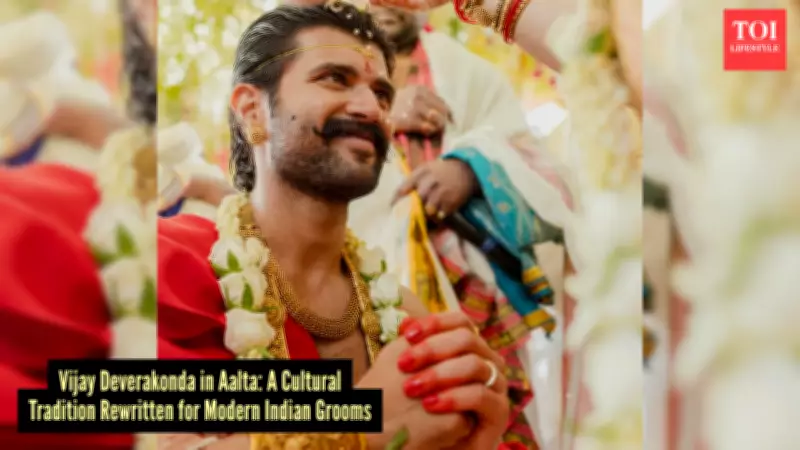
When Telugu cinema stars Vijay Deverakonda and Rashmika Mandanna stepped into marital bliss, the groom's adornment of alta on his hands and feet became an instant cultural headline. This traditional red liquid dye, historically associated with bridal femininity across India, found new expression on a male celebrity, sparking nationwide conversations about gender, tradition, and cultural evolution.
The Traditional Significance of Alta in Indian Culture
Alta is a ceremonial red dye applied to hands and feet, deeply rooted in Indian wedding traditions across Bengali, Odia, South Indian, and North Indian communities. For centuries, it has symbolized:
- Shringar (adornment) and bridal beauty
- Fertility and auspicious beginnings
- Prosperity and divine femininity linked to Goddess Lakshmi
- Marital status and good fortune
In regions like Odisha and Bengal, brides traditionally wear alta daily post-wedding, similar to how North Indian brides wear mangalsutra. This practice has been ritualized, photographed, and admired as an essential element of bridal aesthetics.

Historical Context: Men and Alta Through the Ages
Contrary to modern perceptions, men wearing alta is not entirely unprecedented. Historical records indicate that during ancient times:
- Kings and princes adorned alta during ceremonial occasions
- Grooms in certain communities used it as ritual marking
- The practice symbolized cultural pride and visual clarity in ceremonies
However, by the 21st century, this had become an uncommon practice, with alta becoming almost exclusively associated with women's bridal adornment.
Vijay Deverakonda's Cultural Statement
Vijay Deverakonda's decision to wear alta represents more than aesthetic choice—it signifies a deliberate reinterpretation of heritage. His alta moment challenges several cultural assumptions:
- Gender-coded rituals: Questions why certain adornments are restricted by gender
- Traditional boundaries: Demonstrates how heritage practices can evolve
- Masculinity definitions: Moves away from hyper-masculine groom styling
- Equal participation: Reflects shared engagement in ritual aesthetics
This act becomes particularly significant given Deverakonda's status as a leading Telugu film star with substantial cultural influence across South India and beyond.
The Broader Cultural Implications
The viral wedding moment raises fundamental questions about tradition and modernity in Indian society:
What differentiates men wearing alta from women wearing alta? Beyond the physical application, the difference lies in cultural perception, historical context, and symbolic interpretation. While women's alta wearing maintains traditional meanings of marriage and prosperity, men's adoption introduces new dimensions of cultural pride and gender fluidity.
The incident highlights how celebrity influence can reshape cultural narratives. As traditional practices encounter modern sensibilities, such moments demonstrate how rituals can adapt while maintaining their core significance.
Future of Wedding Traditions in India
Vijay Deverakonda's alta moment suggests several evolving trends in Indian wedding culture:
- Gender-neutral traditions: Increasing acceptance of shared ritual practices
- Cultural reinterpretation: Younger generations redefining heritage customs
- Visual storytelling: Wedding aesthetics becoming platforms for cultural statements
- Tradition evolution: Historical practices adapting to contemporary values
This development reflects broader societal shifts toward more inclusive interpretations of cultural heritage, where tradition serves as a living practice rather than a rigid prescription.

The conversation sparked by this wedding moment extends beyond alta specifically to encompass how Indian traditions can evolve while honoring their origins. As cultural boundaries become more fluid, such reinterpretations may become more common, challenging long-held assumptions about gender, adornment, and ceremonial practice in Indian weddings.