When the Covid pandemic engulfed the world, a peculiar madness gripped the West. Millions of Westerners frantically bought toilet rolls. For those from the East, the scramble for tissue paper and the sight of empty shelves in supermarkets was baffling. We simply could not comprehend the urgency to stock up on paper rolls, but then, tissues are something Westerners cannot do without. Their loos are water-less. No rinsing, no washing — they must clean with toilet paper after doing their business.
“Oh, East is East, and West is West,” said Rudyard Kipling. Nowhere is this divide more apparent than in the sanctuary of the lavatory while practising everyday hygiene. Whereas the West uses toilet paper, we rely on water; one wipes, the other washes.
However, we find ourselves in an awkward situation soon after we land on Western soil. The “loo woes” begin at the airport itself. We enter the toilet cubicle only to find a dry, desert-like landscape — no water, only tissue rolls. They say, “When in Rome, do as the Romans do”, but when the Romans don’t provide a faucet, we are forced to smuggle bottles of mineral water into the cubicle.

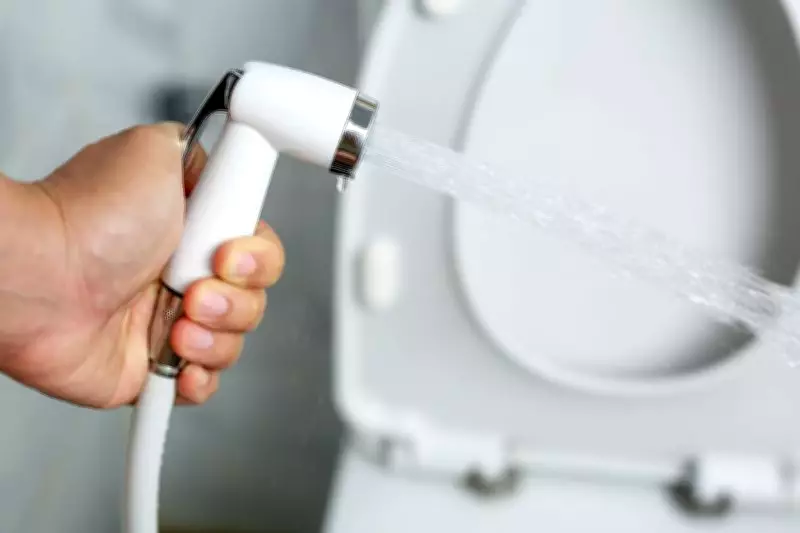
The trouble doesn’t end at the terminal. I remember the first time we visited our son in Australia; he was staying in a rented accommodation. The flat had a standard Western toilet with no bidet, water jet or hand-held spray that we had been using for decades in India. For us, not just the traditional brass lota (water vessel), but even the plastic mug has become a relic of the distant past. However, in the absence of a faucet, we decided to make do with a mug. Then began a frantic search for a humble plastic mug, but a thing so ubiquitous in India was conspicuously absent in Australia. Ultimately, we had to resort to classic Indian jugaad: an improvised vessel created by decapitating a plastic soda bottle.
Keeping personal preferences aside, as we observe World Environment Day today, there is a compelling case for the “wet” way. As it turns out, the “dry” way is actually much wetter and dirtier for the planet. “Water-loo” is actually the greener choice, using far less water compared to the gallons consumed for making tissue paper. The toilet paper industry is a water guzzler and a forest plunderer, massacring millions of trees for wood pulp.
Old habits die hard — whatever may be the arguments in favour of the “wet” way, the “wash-wipe” divide is not likely to be wiped out soon. So long as Western lavatories remain resolutely dry, water-less loos will continue to be a personal “Water-loo” for any visitor from the East.
The writer taught at MCM DAV College, Chandigarh.