The Hidden Suffering Behind India's Grand Wedding Processions
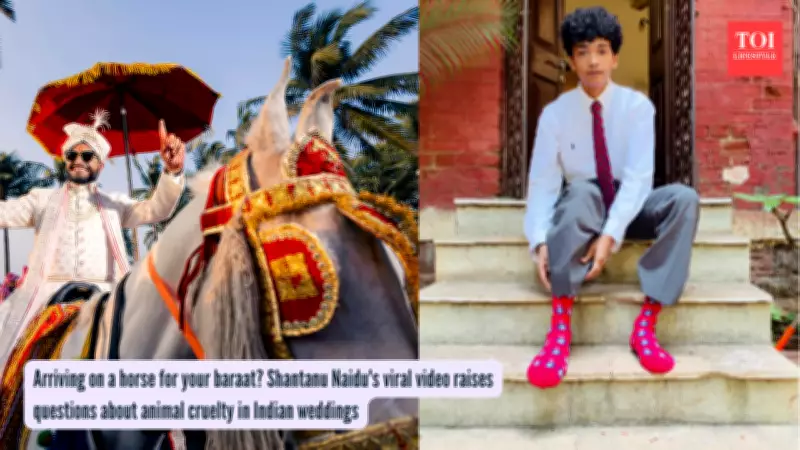
Indian weddings are renowned as multi-day festivals filled with vibrant celebrations, elaborate rituals, and unforgettable moments. Among these traditions, the groom's grand entry procession, known as the 'Baraat,' stands out as a spectacle of pomp and show. Typically, the groom arrives majestically on a decorated horse, symbolizing charm and tradition. However, a recent eye-opening investigation has exposed the harsh and often cruel reality behind this picturesque scene.
Disturbing Revelations from an Ethical Campaign
A powerful video collaboration featuring PETA India has brought to light the severe mistreatment of horses used in wedding ceremonies. The footage, shared by Instagram account @socktalks.tv, features Shantanu Naidu, former assistant to the late industrialist Ratan Tata, who delivers a heartfelt and distressing account of what these animals endure.
Naidu's testimony reveals two primary areas of concern: the physical suffering inflicted on horses and the psychological trauma they experience in chaotic wedding environments.

Physical Torture: Standing in Pain for Hours
According to the investigation, horses are frequently subjected to prolonged periods of standing on hot concrete surfaces during wedding events. These animals, whose feet are naturally adapted for softer ground, experience significant discomfort and pain when forced onto hard, heated pavements. Naidu compares this agony to a constant burning sensation or the feeling of having one's nails pulled out.
Compounding this suffering is the heavy decorative gear they must wear, which adds physical stress and can lead to overheating. Many horses are deliberately underfed hours before events to prevent them from excreting and soiling the ceremonial area, further compromising their wellbeing.
Psychological Trauma in Chaotic Settings
Wedding celebrations are typically loud, crowded, and unpredictable environments that can severely frighten horses. The combination of blaring music, flashing lights, bursting firecrackers, and dense crowds creates a terrifying experience for these sensitive animals.
When horses naturally react by trying to move away or pull back from these stressors, handlers often resort to cruel control methods. These include using sharp tools, metal spikes, or excessively tight reins that can cause cuts, bruises, and even broken teeth. Some trainers attach particularly harsh bits designed to inflict pain with even slight movements, a clear form of animal cruelty.
Ethical Questions About Tradition and Humanity
The practice of using horses purely for ceremonial display raises profound ethical questions. It perpetuates the dangerous notion that causing harm or stress to animals is acceptable if it enhances the visual appeal of a human celebration. This 'ritual for show' approach disregards the basic welfare of living creatures.
Naidu concludes his emotional account with a heartbreaking observation about the ongoing poor living conditions many wedding horses face. He suggests that in India, the luckiest horses are those that die early, escaping the cycle of suffering they endure merely for ceremonial representation.
This revelation challenges couples and families to reconsider traditional practices and explore more humane alternatives for wedding celebrations. As awareness grows, there is increasing momentum toward creating wedding traditions that honor both cultural heritage and animal welfare.