Church in Wales Approves Permanent Blessings for Same-Sex Marriages
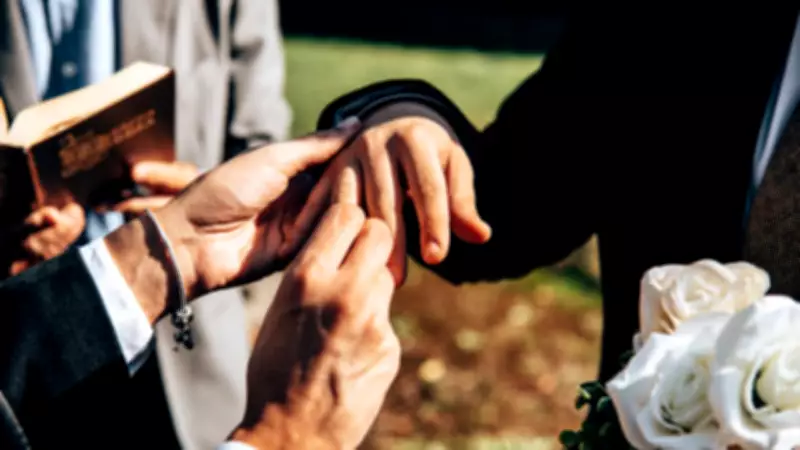
The Church in Wales has taken a historic step by approving a bill to make the blessing of same-sex marriages a permanent part of its religious services. This decision, confirmed on Wednesday, April 15, ensures that same-sex couples can continue to have their marriages or civil partnerships blessed within church settings, marking a significant move towards greater inclusivity.
Official Inclusion in Liturgical Texts
The wording for these blessing ceremonies will now be formally integrated into the Book of Common Prayer, which serves as the authoritative guide for conducting services in the Church. This official inclusion solidifies the practice, moving it from a temporary trial to a lasting component of Welsh Anglican tradition.
Overwhelming Support in Governing Body Vote
The decision was made by the Church's 143-member governing body, requiring a two-thirds majority across three distinct groups: bishops, clergy, and lay members. The vote results demonstrated strong backing:

- Lay members: Voted 48 in favor, eight against, with two abstentions.
- Clergy: Supported the measure with 32 votes for, seven against, and five abstentions.
- Bishops: Approved unanimously without any objections.
This clear majority reflects a broad consensus within the Church, following years of deliberation and feedback from congregations across Wales.
From Trial to Permanent Practice
The blessing service was initially introduced in 2021 as a temporary measure, with a trial period scheduled to conclude at the end of 2026. Church officials emphasized that the move to make it permanent came after extensive discussions and input from various stakeholders, highlighting a thoughtful and gradual approach to change.
Inclusivity and Personal Testimonies
Proponents of the decision argue that it is a crucial step towards making the Church more welcoming and inclusive. The Bishop of St Asaph, Gregory Cameron, spoke passionately about the emotional harm caused when LGBT individuals feel rejected by religious institutions. He shared a poignant example of a young man who avoided speaking to his parents for years due to fear about their reaction to his sexuality, urging the Church not to inflict such pain.
The Bishop of Llandaff, Mary Stallard, also voiced strong support, describing how someone close to her had struggled with a "culture of shame" related to sexuality within the Church. She praised the initial blessings introduced in 2021 as "something good and beautiful," underscoring the positive impact of this pastoral practice.
Concerns and Opposition
Despite the overwhelming support, not all members agreed with the change. Some expressed worries that it could lead to divisions within the Church. Andy Grimwood, a deacon, cautioned that the decision might not foster unity and could potentially drive people away. Reverend Melanie Prince highlighted concerns from the global Anglican community, noting that members of the Church in Nigeria urged adherence to traditional teachings. Another member, Julia Schulz, raised issues about the similarity of the blessing to a marriage service and questioned its alignment with long-held beliefs.
Broader Implications and Leadership Context
This move distinguishes the Church in Wales from the Church of England, which currently does not offer such blessings, potentially signaling future changes in other Anglican branches. The decision also comes after Cherry Vann became Archbishop of Wales in July 2025, the first woman and first openly LGBT+ person to hold this role. Archbishop Vann has advocated for the Church to better reflect the diversity of modern society, adding a significant leadership dimension to this progressive shift.
While the change is now permanent, individual priests retain the right to opt out of performing these blessings if they have personal objections, ensuring a balance between institutional reform and individual conscience.