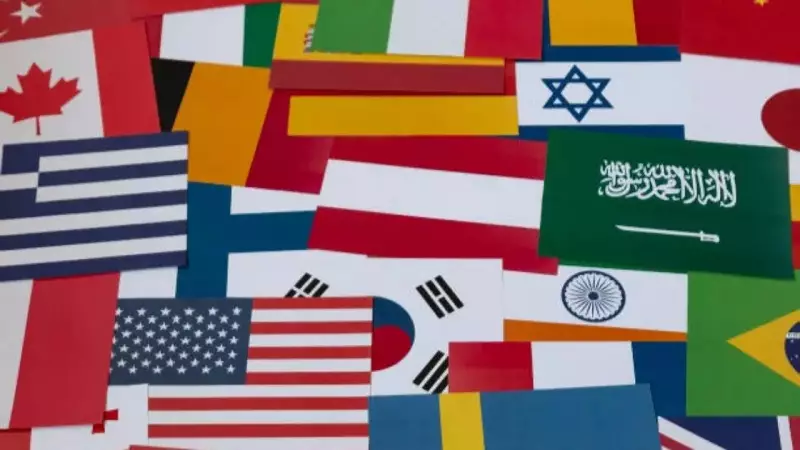
Vexillology: The Academic Discipline Dedicated to Understanding Flags
Flags are far more than mere colorful pieces of fabric fluttering in the breeze. They serve as powerful symbols that encapsulate history, identity, struggle, and national pride. From the national emblems hoisted high during celebratory events to the banners representing sports teams and historical landmarks, these silent messengers communicate profound narratives. This raises an intriguing question: Is there a formal academic field dedicated to understanding these iconic objects? Indeed, there is a specialized study that delves into the meaning and significance of flags, offering insights into their role in human society.
The Science of Flags: What is Vexillology?
The study of flags is known as vexillology, a term derived from the Latin word vexillum, which referred to a specific type of flag used by ancient Romans. Vexillology encompasses the comprehensive analysis of flags worldwide, focusing on their design, symbolism, historical evolution, and practical usage. Experts in this field are called vexillologists, who dedicate their research to unraveling the stories behind these ubiquitous symbols. This discipline highlights the value of studying even seemingly ordinary objects like flags, revealing layers of cultural and historical depth that might otherwise go unnoticed.
Why Flags Hold Immense Importance in Society
Flags function as potent symbols representing nations, social movements, ideologies, and collective identities. The colors, shapes, and emblems adorning a flag often carry rich narratives—for instance, red might symbolize sacrifice, while white could denote peace, and certain patterns may represent unity or freedom. Vexillologists explore how flags evoke emotional responses and foster a sense of belonging within communities. Understanding these symbols helps individuals, especially children, recognize that visual representations can convey deeper meanings beyond their surface appearance, encouraging critical thinking and cultural appreciation.

The Multifaceted Research of Vexillologists
Vexillologists investigate a wide array of topics related to flags, including:
- The materials and techniques used in flag manufacturing
- Historical changes in flag designs over centuries
- The psychological and social impact of flags on human behavior
- Patterns in color usage across different national and regional flags
- The reasons behind the longevity or modification of certain flags
- The significance of flags used by educational institutions and sports teams
This research demonstrates that knowledge is not confined to textbooks; it can be gleaned from everyday objects, inspiring curiosity and inquiry in young minds.
Engaging Facts About Flags to Ignite Curiosity
The world of flags is filled with fascinating trivia that sparks wonder. For example, some flags are designed to be identical even when inverted, while Nepal boasts the only national flag that is non-rectangular in shape. These intriguing details underscore why vexillology exists—to explore the reasons behind such variations and understand the stories they tell. Sharing such knowledge with children reinforces the idea that learning often begins with simple questions, such as "Why does this flag look the way it does?" This approach nurtures a lifelong passion for discovery.
How Studying Flags Enhances Global Awareness and Cultural Understanding
Flags provide an accessible gateway for learning about diverse cultures, histories, and geographies. They serve as conversation starters for discussing global diversity, fostering respect for different traditions and perspectives. Through vexillology, children and adults alike develop a nuanced appreciation for the interconnected stories that shape our world. This study emphasizes that our planet is a tapestry of narratives coexisting side by side, encouraging individuals to view complex issues through a simpler, more empathetic lens. Ultimately, understanding flags cultivates global citizenship and a deeper awareness of our shared human experience.