Traditional Winnowing Baskets Face Decline in Ludhiana Amid Modernization
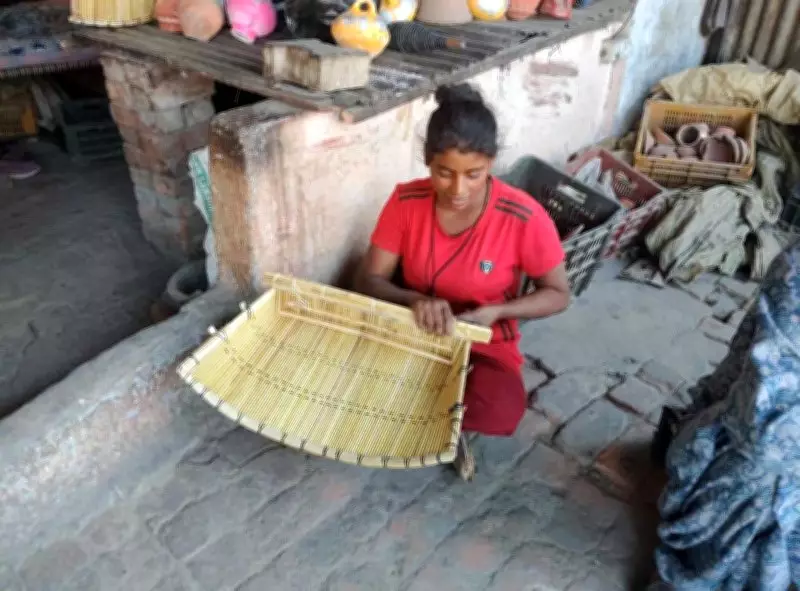
In Ludhiana, a city renowned for its industrial and agricultural heritage, the traditional winnowing basket, known locally as "soop" or "chhaj," is experiencing a significant decline in demand and cultural relevance. These handcrafted baskets, once ubiquitous in rural and urban households for separating grain from chaff, are losing their sheen as modernization and mechanized farming practices take hold.
Historical Significance and Craftsmanship
Winnowing baskets have been an integral part of Punjab's agricultural landscape for centuries, crafted by skilled artisans using bamboo, cane, or other natural materials. In Ludhiana, these baskets were not only functional tools for farmers during harvest seasons but also held cultural importance in rituals and daily life. Artisans, often from marginalized communities, would spend days weaving intricate patterns, passing down techniques through generations.
Factors Driving the Decline
The decline in the popularity of winnowing baskets can be attributed to several key factors:

- Mechanization in Agriculture: The adoption of combine harvesters and other modern machinery has reduced the need for manual winnowing, making traditional baskets obsolete in many farming operations.
- Changing Lifestyles: Urbanization and shifting consumer preferences have led households to opt for plastic or metal alternatives, which are perceived as more durable and easier to maintain.
- Economic Pressures: Artisans face low profitability due to rising material costs and competition from cheaper, mass-produced goods, forcing many to abandon the craft for other livelihoods.
- Lack of Government Support: Insufficient initiatives to preserve traditional crafts have left artisans without adequate training, subsidies, or market access to sustain their trade.
Impact on Local Artisans and Culture
The fading demand for winnowing baskets has had a profound impact on Ludhiana's artisan communities. Many craftsmen, who once relied on this trade for their livelihood, are now struggling to make ends meet, leading to a loss of traditional skills and cultural heritage. This decline also reflects broader trends in India, where globalization and technological advancements are eroding age-old practices.
Efforts to revive interest, such as promoting these baskets as decorative items or eco-friendly alternatives, have seen limited success. However, without concerted action from policymakers and consumers, the future of this craft remains uncertain.
Looking Ahead: Challenges and Opportunities
To address this issue, stakeholders suggest a multi-faceted approach:
- Government Intervention: Implementing schemes to provide financial aid, skill development, and marketing support to artisans could help sustain the craft.
- Consumer Awareness: Educating the public about the environmental benefits and cultural value of traditional winnowing baskets might boost demand.
- Innovation in Design: Artisans could adapt their products for modern uses, such as home decor or sustainable packaging, to attract new markets.
In conclusion, the decline of winnowing baskets in Ludhiana symbolizes the tension between tradition and progress in India's rapidly evolving society. Preserving such crafts requires a balance of innovation and respect for heritage, ensuring that these cultural artifacts do not fade into obscurity.