World's Loneliest Animals: A Tale of Solitude and Survival
In the vast tapestry of the animal kingdom, loneliness is not merely an emotional state but a stark reality shaped by biology, geography, and human influence. While some creatures naturally lead solitary lives, others are thrust into profound isolation due to habitat destruction, climate change, or dwindling populations. These animals, often symbols of impending extinction, endure a solitude that is not chosen but imposed by circumstances beyond their control. Their stories serve as poignant reminders of the fragility of life and the urgent need for conservation efforts.
Understanding Animal Loneliness
Unlike humans, animals do not seek companionship for emotional comfort alone. For many species, social bonds are essential for survival, learning, and reproduction. When populations collapse or habitats are fragmented, isolation becomes a biological threat, jeopardizing the very existence of these creatures. The world's loneliest animals highlight how extinction unfolds gradually, one individual at a time, in a quiet and often overlooked manner.
Five of the World's Loneliest Animals
Here are five remarkable animals whose lives epitomize loneliness, each with a unique story of survival against the odds:

- Lonesome George (Pinta Island Tortoise)
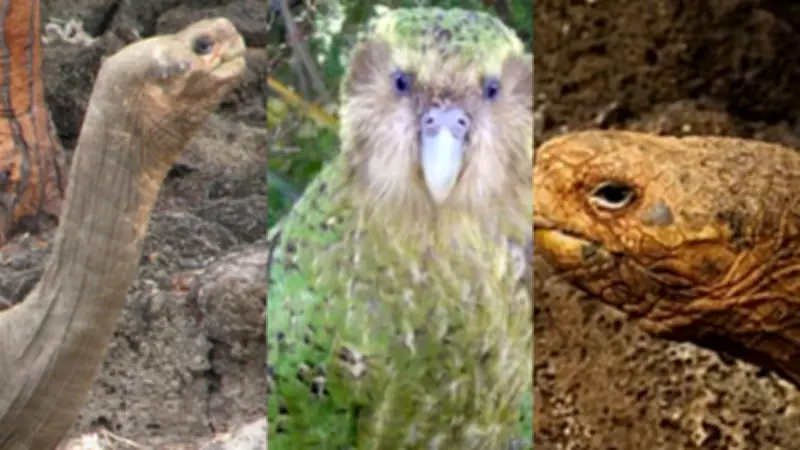
Lonesome George stands as perhaps the most iconic symbol of loneliness in the animal world. Discovered in 1971 on Ecuador's Galápagos Islands, he was the last known individual of the Pinta Island tortoise subspecies. Despite extensive efforts by conservationists to find him a mate, George lived in solitude for decades. His death in 2012 marked the extinction of his subspecies, serving as a global and irreversible loss that underscores the consequences of human impact on biodiversity.
- The 52-Hertz Whale
Often dubbed "the loneliest whale in the world," this enigmatic creature sings at a frequency of 52 hertz, unlike any other known whale species. First detected by the US Navy, its unusually high-pitched call likely prevents communication with other whales. Although it migrates alongside them, its voice remains unheard in the vast ocean, creating a haunting example of isolation that resonates with the mysteries of marine life.
- Kakapo (Critically Endangered Parrot)
The kakapo, a flightless parrot native to New Zealand, is one of the rarest birds on Earth. With fewer than 300 individuals remaining, many reside on predator-free islands under constant human monitoring. Their low numbers and slow breeding cycles result in extended periods of isolation, making their survival a lonely and fragile endeavor that highlights the challenges of species recovery.
- Diego the Giant Tortoise
Diego's story offers a glimmer of hope amidst loneliness. As one of the last surviving Española giant tortoises, he lived in captivity for decades before being reintroduced into a breeding program. For years, Diego symbolized the fate of an entire species resting on a single animal—a heavy solitude shaped by the brink of extinction. His eventual role in successful breeding efforts demonstrates how conservation can turn isolation into a pathway for revival.
- Other Isolated Creatures
Beyond these examples, numerous other animals face similar fates due to human actions and environmental changes. From species isolated by oceans to those impacted by deforestation, their stories echo the broader narrative of loneliness in the wild, urging a collective responsibility towards preservation.
The Broader Implications of Animal Loneliness
The tales of these loneliest animals are not just about solitude; they are about responsibility and the thin line between survival and disappearance. They remind us that extinction is not an abrupt event but a gradual process, often unnoticed until it is too late. By understanding their struggles, we can foster greater awareness and action to protect biodiversity and prevent further losses.
For more insights into lifestyle and conservation topics, stay tuned to our updates and join the conversation on environmental stewardship.