

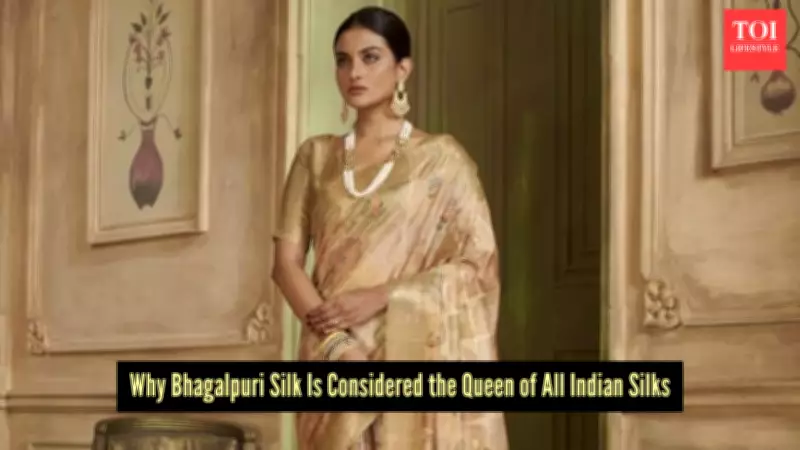
The Royal Legacy of Bhagalpuri Silk: Why It's Crowned 'Queen of All Silks'
In the world of textiles, silk reigns supreme, and within that realm, Bhagalpuri silk stands as the undisputed queen. Hailing from the city of Bhagalpur in Bihar, India, this fabric has earned the majestic title of 'Queen of all Silks' through centuries of craftsmanship, cultural significance, and global admiration. From ancient Vedic times to modern fashion runways, Bhagalpuri silk's journey is a testament to India's rich textile heritage.
From Bihar to Global Fame: The Silk City's Ascent
If silk is the queen of fabrics, then Bhagalpur is undoubtedly her kingdom. This city in the suburbs of Bihar has been officially designated as India's Silk City, a title that reflects its pivotal role in the nation's silk industry. Known for its magnificent and grand appearance, Bhagalpuri silk has captivated celebrities and fashion designers across the globe. While prints and patterns may evolve with time, the fabric itself remains an iconic symbol of elegance and tradition. This legacy, meticulously passed down through generations, is preserved by the skilled weavers of the region, who continue to weave history into every thread.
Ancient Origins: Tracing Bhagalpuri Silk's Historical Roots
India's silk industry boasts a long and storied history dating back to ancient times, with Bhagalpuri silk, also known as Tussar silk, making its appearance as early as the Vedic era. The textile truly began to flourish during the Mauryan period, experiencing a significant resurgence under the Mughals. During the British Raj, Bhagalpuri Tussar silk became a highly sought-after export, cherished from London to Paris for its use in luxurious home furnishings and later, high fashion. This historical journey underscores the fabric's enduring appeal and timeless quality.

What Makes Bhagalpuri Silk So Unique?
The enchanting qualities of Bhagalpuri silk lie in its exceptional lightness and allure. While other renowned silks like Banarasi and Kanjeevaram are celebrated for their sheen, they often come with considerable weight. In contrast, Bhagalpuri silk offers the same grandeur and opulence but with a comforting and lightweight essence, making it more versatile and in high demand. Additionally, this silk is environmentally friendly, as it requires only a minimal number of silkworms to produce the silk thread. Weavers then employ their unique technology to bind the drapes, ensuring sustainability without compromising on beauty.
Bhagalpur: India's Oldest Silk Producer
Yes, Bhagalpur holds the distinction of being the oldest producer of silk in India, with a legacy that spans centuries. From Mughal emperors to Persian nobles, the city has attracted countless admirers who have praised the exquisite craftsmanship of its weavers. Steeped in royalty and tradition, Bhagalpur's silk handlooms have been active for over 100 years, weaving tales of heritage into every piece. Even today, top fashion capitals like Paris and Milan place orders for silk threads and finished products from Bhagalpur, a testament to its global prestige.
The Art of Production: Crafting Bhagalpuri Silk
The production of Bhagalpuri silk is a meticulous process involving three key steps:
- Procurement and Processing: It begins with purchasing cocoons, which are then processed to extract the silk.
- Spinning and Dyeing: The silk yarn is spun and dyed using natural vegetable extracts, with popular shades derived from tealeaf, harsingar, lac, palash, katha, pomegranate, and turmeric.
- Fabric Finishing: Techniques like fabric dyeing with powdered harda and beheda are employed to achieve the desired colors and textures.
This careful, artisanal approach ensures each piece is a masterpiece of natural beauty.

A Cultural Treasure: The Enduring Value of Bhagalpuri Silk
Bhagalpuri silk drapes are more than mere fabrics; they are artworks that embody the cultural legacy and artistic vision of the region's weavers. Beyond fashion, this textile is used to create curtains, shawls, and other decorative items, showcasing its versatility. Over the last decade, the prevalence of Bhagalpuri silk has surged dramatically, thanks in large part to India's entertainment and fashion industries. Celebrities and designers have proudly worn this textile, helping to preserve the existence of its artisans and ensuring that this royal legacy continues to thrive for generations to come.





