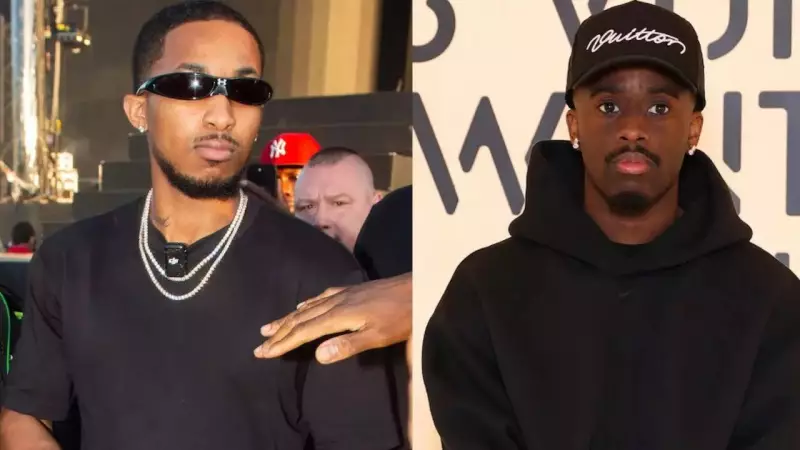
Creator Fashion Backlash Exposes Deep Cultural Divide
The recent controversy surrounding Kai Cenat's fashion debut has revealed a recurring pattern within creator culture that many find troubling. When a popular streamer ventures beyond the content that initially brought them fame, the digital community often responds with immediate criticism rather than support. This phenomenon has become particularly evident with the launch of Cenat's new clothing brand, Vivet, which was intended to represent personal evolution and creative exploration.
Vivet's Rocky Introduction to the Market
Kai Cenat's Vivet clothing line was conceived as a bold statement of artistic growth and entrepreneurial risk-taking. Instead of receiving encouragement for stepping into unfamiliar territory, the project faced intense scrutiny from critics who formed negative opinions before the products even reached consumers. This premature judgment created a challenging environment for the brand's launch, highlighting how creator-led initiatives sometimes face harsher standards than traditional fashion ventures.
DDG's Passionate Defense Against Selective Criticism
The negative response did not sit well with fellow creator DDG, who observed the conversation devolving into mockery and decided to intervene publicly. His defense was raw, emotional, and unfiltered—stemming from frustration with what he perceives as selective outrage within the creator community. DDG pointed out the apparent hypocrisy of audiences who unquestioningly support established legacy brands while immediately dismissing new ventures from content creators.

During a livestream, DDG made his position clear by announcing his intention to purchase the entire Vivet collection upon release. He then directed his attention toward critics who he believes demonstrate contradictory behavior. "Quit hating on my dog, man," DDG stated emphatically. "But y'all buy these random, random-ass white man shit, and you would just buy it and buy it and buy it and stand outside for Jordans and all this other shit."
He continued with increasing intensity: "But when you see a young n***a trying to do something different and change the motherfucking trajectory of fucking content creators and get into this fashion shit, y'all want to hate on it. But you would walk your same stanky ass in Foot Locker and set up a f***ing tent for some fucking J's that dropped 20 f***ing years ago."
Questioning Consumer Awareness and Consistency
DDG did not limit his critique to surface-level observations. He pushed further by questioning consumers' actual knowledge about the products they enthusiastically purchase from established brands. "Can't stand this goddamn community, n***a. You don't even know who the fuck made them goddamn J's. And you don't know who the fuck made them damn whatever the f**k you got on right now. You don't know who made that shit."
His argument centered on the inconsistency of consumer behavior: "If your ass gonna spend your money on it, you ain't never write no f*****g hate comment or tweeted bad about them nas. But since you know the na that's making this shit, and you watch the na and all this other shit, now it's a fucking problem. Can't stand you nas."
DDG concluded with a broader observation about success in creator spaces: "Every n***a that's successful, when they try to do something different, you always hate on them." This statement reflects a growing sentiment that innovative creators face disproportionate resistance when expanding beyond their established domains.
Kai Cenat's Determined Response to Criticism
Despite the vocal backlash, Kai Cenat has maintained his focus on developing Vivet as a legitimate fashion brand. From unveiling his Vivet journal to making appearances at prestigious events like Paris Fashion Week, he continues to advance his vision. Cenat appears to be betting that long-term dedication and quality will ultimately speak louder than initial negative reactions, demonstrating resilience in the face of creator community skepticism.

This situation raises important questions about how digital communities evaluate creative risks and whether established creators receive fair opportunities to explore new ventures. The contrasting reactions to legacy brands versus creator-led initiatives suggest deeper issues within internet culture that extend beyond fashion into how innovation is supported or discouraged in digital spaces.