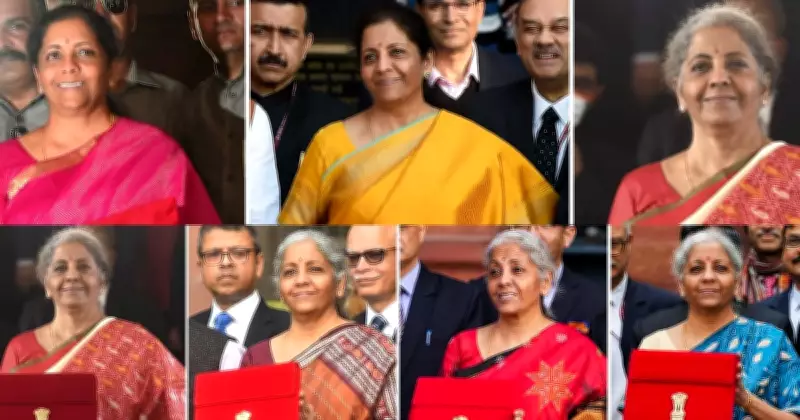
As the nation eagerly anticipates the Union Budget 2026, all eyes are not just on the economic policies but also on the distinctive sartorial statements of Finance Minister Nirmala Sitharaman. Over the years, her choice of attire has become an integral part of the budget presentation narrative, reflecting a deep commitment to India's rich textile heritage.
The Evolution of a Sartorial Statement
Since her debut as Finance Minister in 2019, Nirmala Sitharaman has consistently used the budget platform to showcase the diversity and artistry of Indian handlooms. Each year, her selection of sarees has told a story beyond fashion, highlighting specific regions, weaving techniques, and traditional crafts that form the backbone of India's cultural identity.
From 2019 to 2025: A Journey Through Textiles
The journey began in 2019 when she presented her first budget wearing a handloom saree that immediately set a precedent. Over the subsequent years, her choices have evolved to include:

- Traditional weaves from various states across India
- Regional specialties that highlight local craftsmanship
- Contemporary adaptations of classic designs
- Sustainable textiles that promote eco-friendly practices
What started as a personal fashion choice has transformed into a powerful statement of support for India's handloom sector. Each budget presentation has become an opportunity to bring attention to the skilled artisans and weavers whose work often goes unnoticed in mainstream discourse.
More Than Just Fabric: A Cultural Tribute
The significance of these sartorial choices extends far beyond aesthetics. By consistently wearing handloom sarees during one of the most important economic announcements of the year, the Finance Minister has:
- Created a platform for traditional Indian textiles on a national stage
- Inspired renewed interest in handloom products among younger generations
- Supported the livelihoods of countless artisans across the country
- Promoted sustainable fashion choices in an era of fast fashion
This consistent dedication has turned what could have been a simple wardrobe choice into a meaningful tribute to India's cultural heritage and economic resilience.
Looking Ahead to Budget 2026
As we approach Budget 2026, there is growing speculation about what textile tradition the Finance Minister might highlight next. Will she continue to focus on specific regional weaves, or might she introduce new sustainable textile innovations? The anticipation surrounding her sartorial choice has become almost as keenly watched as the economic announcements themselves.
What remains clear is that Nirmala Sitharaman has successfully used her position to create a lasting legacy that celebrates Indian craftsmanship. Her budget presentations have become more than just economic policy announcements; they have evolved into cultural events that showcase the best of India's textile traditions.
This unique approach has not only brought attention to the handloom sector but has also demonstrated how traditional arts can find relevance and appreciation in modern governance. As we await Budget 2026, the Finance Minister's saree choices continue to represent a beautiful intersection of culture, economics, and national pride.