Preserving India's Handloom Legacy Through Proper Fabric Care
Handloom textiles in India represent far more than simple cloth materials. These fabrics embody living cultural traditions, meticulously woven with generations of stories, exceptional craftsmanship, and deep emotional significance. From Maharashtra's vibrant Paithani to Gujarat's intricate Bandhani, from Lucknow's elegant Chikankari to Kerala's distinctive Kasavu, each region boasts its unique handloom heritage. Karnataka contributes luxurious Mysore Silk, Telangana offers geometric Pochampally Ikkat, while Assam produces the golden Muga Silk, among numerous other regional specialties.
The Maintenance Challenge of Delicate Handlooms
Despite their cultural importance and aesthetic appeal, many handloom fabrics are perceived as delicate and challenging to maintain properly. This perception often discourages people from incorporating handloom garments into their regular wardrobe rotation. The preservation of these textile traditions fundamentally begins within our homes through appropriate washing practices that ensure their longevity and beauty.
Maneesh Sharma, Head of Washing Machines at the Appliances Business of Godrej Enterprises Group, shares comprehensive fabric-friendly washing guidelines to help enthusiasts care for their cherished handloom clothing collections.

Essential Handloom Washing Guidelines
Understanding Fabric Diversity Before Washing
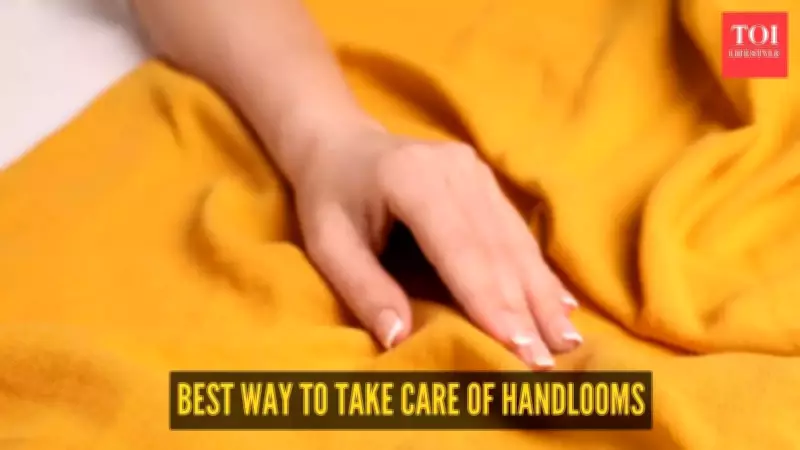
Handloom textiles demonstrate remarkable diversity, with each variety featuring distinct weaving patterns, yarn compositions, and dyeing techniques. Most require exceptionally gentle handling to maintain their integrity. Proper textile identification represents the crucial first step toward preserving original texture and natural sheen. Always consult garment care labels carefully, as many handloom fabrics with intricate embroidery or color-bleeding tendencies may not be suitable for conventional machine washing.
Avoiding Drum Overloading During Washing
Handloom garments require adequate space to move freely throughout the washing cycle. Overloading washing machine drums frequently leads to fabric tangling, excessive creasing, and unnecessary abrasion damage. Wash handloom pieces separately or combine them only with similar lightweight fabrics. Providing sufficient movement room significantly reduces stress on delicate yarns and helps preserve the garment's original structural integrity.
Optimal Water Temperature and Detergent Selection
Elevated water temperatures can weaken natural fibers and potentially cause shrinkage or color fading in handwoven textiles. Always utilize normal temperature water ranging between 20-25°C for optimal results. Most conventional detergents and bleaching agents prove excessively harsh for handloom fabrics. Instead, select mild, fabric-friendly detergents specifically formulated to preserve both color vibrancy and fiber strength in traditional textiles.
Utilizing Gentle Wash Cycle Features
When laundering handloom garments, consistently choose gentle wash settings on your washing machine. Minimizing mechanical agitation remains essential for protecting delicate weaving patterns and ensuring careful treatment. Ideally, select washing machines equipped with specialized handloom-friendly gentle-care programs. Advanced models undergo specific testing for handloom fabric compatibility and demonstrate design optimization for cleaning diverse handloom varieties with maximum care.
Proper Drying Techniques for Handlooms
Post-wash care proves equally important as the washing process itself. Avoid wringing or twisting garments to remove excess moisture, as these actions can distort weaving patterns and strain delicate fibers. Instead, utilize gentle spin cycles in front-load washing machines operating at lower RPMs to carefully extract moisture without damaging fabric structures. Always dry handloom textiles in shaded, well-ventilated areas rather than direct sunlight. Prolonged sun exposure gradually causes color fading and fabric weakening, ultimately diminishing the longevity of these treasured textiles.

As fabric care technologies advance and become more reliable through rigorous testing, maintaining handloom garments grows increasingly straightforward. These cultural treasures need not remain merely admired display pieces but can be worn regularly with the pride and confidence they genuinely deserve.