The Evolution of Concert Fashion in India's Music Scene
With the concert season in full swing across India, the question "what are you wearing for the gig?" has become as common as discussions about setlists and venues. From concert-core compilations to endless style guides, inspiration is everywhere for those who know where to look. As Lollapalooza takes center stage this weekend, it's the perfect time to examine how musicians themselves are driving this fashion revolution.
The Shift from Grunge to Glamour
In the last few years, India's booming concert culture has dramatically shifted the spotlight onto musicians, necessitating a complete transformation in how they present themselves on stage. Where the 1990s and 2000s espoused a grungy aesthetic—essentially "black tee and jeans"—because rock music dominated the scene, today's popularity of rap, hip-hop, and diverse genres has turned artists into fashion icons as well. This powerful tango between music and fashion is only gaining momentum across the country's vibrant music landscape.
Artists Crafting Their Visual Identities
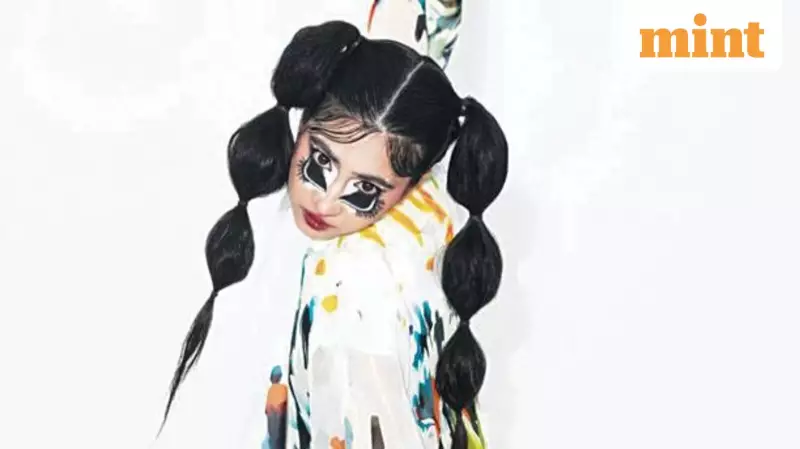
Delhi-based musician Tarana Marwah, better known by her stage name Komorebi, exemplifies this transformation. "I am performing as part of Karsh Kale's band at Lollapalooza on Sunday. And all band members are planning on a black and white, futuristic look," she reveals. "We will perhaps go with metallic shades to maintain a cohesive look." Marwah, who is in her 30s, plans to wear something by designer Rajesh Pratap Singh, known for his monochromatic style. "He helped me with my latest tour, so I will be looking at some of his outfits that I haven't yet worn."

For Marwah, fashion has always been integral to her musical career. "I'd decided early on that my fashion would be distinctive," she says, though her initial years involved DIY experimenting. "I started when I was around 17, and so, I didn't have the tools, the experience or even the connections. Today, things are drastically different. The outfits I wear are good enough for me to be a headliner at a festival."
Fashion as Artistic Expression
Bengaluru-based guitarist Sanjeev Thomas approaches fashion with fearless creativity. The lead guitarist for playback singer Sid Sriram's band recalls a recent concert where he appeared wearing a custom-made cop costume. "I wore it on stage and I had everyone from the organisers to audience members saluting me," he laughs. While kilts and tailored skirts have become staples in his wardrobe, the 40-something musician also uses fashion to make political statements. "I am pro-Palestine, so I recently had a couple of outfits made featuring the Palestinian flag," he shares.
Thomas clarifies that fashion for him isn't about expensive labels or trends. "Fashion, like music, is an artistic expression for me. And I like trying out new things that the audience may not have seen before," he emphasizes.
Balancing Comfort and Style
Mumbai-based DJ Shanaya Sardesai, 31, prioritizes comfort without compromising on style. Since her work entails standing behind the console for 2-3 hours with constant movement, practical considerations are crucial. "I love to be comfortable and look cool at the same time," she says, adding that after 16 years of deejaying, she's perfected her style. "My style is not what you'd describe as very feminine. I gravitate towards super baggy, oversized clothes."
Her on-stage looks typically involve mix-and-match outfits like "a super baggy jogger and sports bra or a halter neck top with a very baggy jacket." While comfort defines Sardesai's approach, Marwah prefers more avant-garde styles to build the world of her alter ego Komorebi. "It's about building a persona and the cool thing is it keeps changing with every album release. So, my fashion and looks too change," she explains.

The Professionalization of Artist Fashion
The newer generation of artists are putting significant thought into their looks from the beginning. Varun Parikh, founder of Bay Owl Studios and director at Abbey Road Institute Mumbai, has witnessed this shift firsthand. "From being a band member in the early 2000s when our go-to outfit was to wear only black T-shirts to today, there's a decided shift in how everyone dresses," he observes. "Fashion for artists today is part of their entire personality."
Parikh attributes this change to constantly active social media. "While the recording studio itself may be a relaxed space for them to record, musicians turn up in their signature looks because you never know what moment may turn out to be a photo-op," he reasons, having worked with artists like Jay Sean, KSHMR, and Divine.
Fashion and Music: A Symbiotic Relationship
Parikh views the music-meets-fashion ecosystem positively. "For the newer, younger indie artists, live music events become important platforms to put their own merchandise out there. And for brands, a festival like Lollapalooza is significant because it offers access to a diverse mix of musicians, artists and their fans," he explains.
Amit Kothari, head of marketing at H&M India, echoes this sentiment. "Concerts and festivals allow us to connect with consumers in moments where they are emotionally invested and culturally present. They create shared experiences where fashion, music, and community come together naturally." The fast fashion brand is collaborating with Lollapalooza India for a second year, with their collection fronted by Gen Z talents.
"Artists often shape culture in real time, and that influence translates naturally into how people dress and express themselves," Kothari adds. "In India, this connection feels especially relevant as the pop and indie music scene continues to evolve and resonate strongly with Gen Z audiences."
The Future of Concert Fashion
As India's concert culture grows louder and more influential, what musicians wear on stage is becoming as significant as their music itself. "Dressing up in good clothes gives you confidence, it makes you feel good," Marwah concludes. "So, as someone who loves fashion, I see this shift of musicians being influenced by fashion as a good thing."
From futuristic monochromatic looks to politically charged statements and comfort-driven styles, Indian musicians are proving that fashion is no longer just an accessory to their art—it's becoming an essential component of their creative expression and professional identity.