When Royal Wardrobe Choices Become Diplomatic Statements
When members of the British royal family embark on overseas tours, their clothing selections transcend mere fashion—they serve as instruments of soft diplomacy. Every garment, color palette, and accessory undergoes intense scrutiny, with each choice carrying significant cultural and political weight. Even the typically impeccable Princess of Wales, Catherine, has experienced notable missteps in this delicate arena.
The Iconic Image That Masked Fashion Controversy
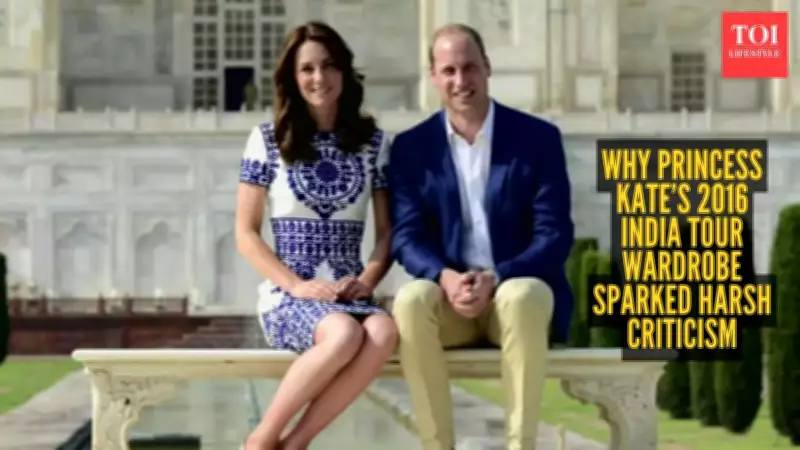
Most observers recall Prince William and Kate's 2016 tour of India through the lens of that breathtaking Taj Mahal photograph—a seemingly perfect moment captured for history. However, a revealing new UK documentary on Channel 5, Kate: A Life in 10 Dresses, has exposed a starkly different behind-the-scenes reality. Fashion experts and cultural commentators were, in fact, profoundly disappointed with the royal wardrobe choices during this significant diplomatic visit.
The 2016 India Tour: A Missed Opportunity
India possesses one of the world's most vibrant, historically rich textile and fashion industries. When the Princess arrived, local designers and fashion enthusiasts naturally anticipated a celebration of Indian craftsmanship and design talent. Instead, they witnessed what many considered a disappointing display of caution and cultural disconnect.

Rather than embracing India's extraordinary fashion heritage, Kate's styling team opted for predominantly British selections. South Asian designer Onita Prasada, director of London boutique O'nitaa, offered particularly blunt criticism in the documentary, describing the 2016 tour wardrobe as nothing short of a "holy mess."
What Exactly Went Wrong?
The core issue centered on representation and authenticity. While Kate did wear a beautiful, colorful midi dress by renowned Indian designer Anita Dongre and a piece from Indian-American designer Naeem Khan, these were exceptions rather than the rule. The majority of her visible outfits consisted of British high-street items:
- A pink Topshop dress
- A maxi dress from affordable UK brand Glamorous
- $11 earrings from Accessorize
Although some garments featured South Asian-inspired prints, Prasada emphasized they lacked genuine cultural authenticity. She expressed profound disappointment, noting that the royal styling team had gotten it "really wrong" and failed to present even a single outfit that truly represented the exceptional fashion available within India itself.
The Transformative Wake-Up Call
The valuable aspect of such fashion missteps lies in their potential for learning and improvement. The royal team clearly absorbed this lesson thoroughly. When preparing for William and Kate's subsequent major South Asian tour to Pakistan in 2019, they implemented a completely revised strategy determined to avoid repeating the 2016 backlash.
Recognizing their need for expert guidance, Kate's then-assistant Natasha Archer reached out directly to critic Onita Prasada. This collaboration proved extensive and meticulous. Prasada provided detailed consultations on Pakistani fashion intricacies, educating the royal team about appropriate color combinations, cultural sensitivities, and traditional styling methods. She even demonstrated proper scarf-draping techniques on her boutique staff, photographing them for reference materials sent to palace stylists.
The 2019 Pakistan Tour: A Diplomatic Triumph
The results were dramatically different. Upon arrival in Pakistan, British high-street labels were conspicuously absent from Kate's wardrobe. Instead, she prominently featured authentic Pakistani designers and brands:
- Traditional garments by acclaimed designers like Maheen Khan and Élan
- Daily accessories from Zeen, Pakistan's equivalent to Accessorize
- Carefully curated pieces reflecting local craftsmanship and aesthetics
The transformation from her India tour approach was night and day. Baroness Ayesha Hazarika, also featured in the documentary, praised the 2019 wardrobe as "a masterclass in diplomatic dressing," noting how enthusiastically the Princess embraced and celebrated local culture through her fashion choices.

The Lasting Impact of Constructive Criticism
This fashion evolution demonstrates how thoughtful adaptation can turn criticism into opportunity. The 2016 India tour missteps ultimately served as valuable lessons that refined Kate's approach to royal dressing on the global stage. By embracing authentic local fashion in Pakistan, she not only avoided past errors but elevated her role as a diplomatic representative, proving that sometimes harsh feedback provides the essential foundation for perfecting one's international style and cultural diplomacy.