Louis Vuitton Monogram and Ancient Indian Temple Carvings: The Hidden Connection
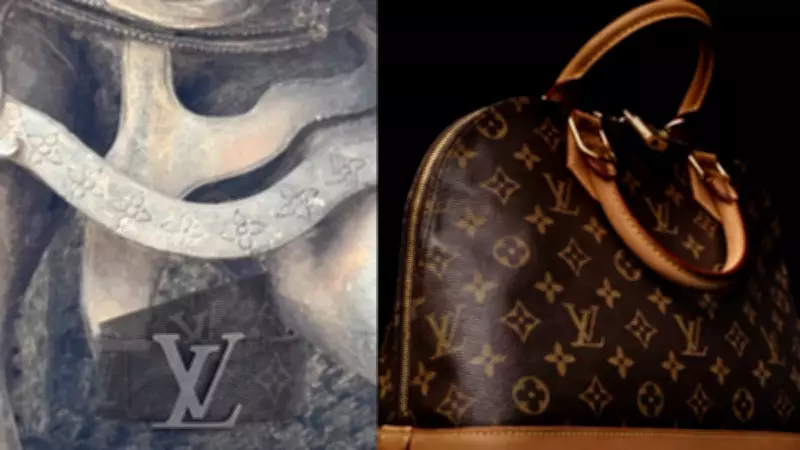
A fashion influencer has recently brought to light a fascinating link between the iconic Louis Vuitton monogram and ancient Indian temple carvings, stirring excitement in both the fashion and cultural heritage communities. This revelation sheds new light on the potential inspirations behind one of the world's most recognizable luxury symbols.
The Influencer's Explanation
The influencer, whose identity has not been disclosed in detail, explained that the intricate patterns found in the Louis Vuitton monogram bear a striking resemblance to motifs commonly seen in ancient Indian temple architecture. Specifically, the floral and geometric designs that adorn many Hindu and Jain temples across India appear to share visual similarities with the interlocking LV initials and quatrefoils that define the brand's signature pattern.
This connection suggests that the monogram, first created in 1896 by Georges Vuitton, may have drawn indirect inspiration from Indian artistic traditions, which were highly influential in global design during the late 19th and early 20th centuries. The influencer pointed out that this era saw a surge in European interest in Eastern art, with many designers incorporating elements from Asian cultures into their work.

Historical and Cultural Context
Ancient Indian temples, such as those in Khajuraho, Konark, and Hampi, are renowned for their elaborate carvings that depict mythological scenes, deities, and ornate decorative patterns. These carvings often feature symmetrical floral arrangements, latticework, and repetitive geometric shapes that echo the structured elegance of the Louis Vuitton monogram.
The influencer emphasized that while there is no direct evidence of Louis Vuitton explicitly citing Indian temple art as a source, the parallels are too compelling to ignore. This has led to discussions about how cultural exchanges during the colonial and post-colonial periods might have subtly influenced Western luxury fashion.
Implications for Fashion and Heritage
This discovery has sparked a broader conversation about the intersection of fashion and cultural heritage. Key points raised include:
- Recognition of Indian artistry: Highlighting the global impact of ancient Indian craftsmanship on contemporary design.
- Debate on cultural appropriation: Some argue this connection underscores the need for greater acknowledgment of non-Western influences in luxury branding.
- Educational opportunities: Museums and fashion institutes may explore exhibitions or courses linking historical art to modern fashion trends.
Moreover, this link could enhance the appreciation of both the Louis Vuitton brand and Indian cultural sites, potentially boosting tourism and academic research into cross-cultural design influences.
Public and Expert Reactions
Reactions to the influencer's explanation have been mixed. Fashion enthusiasts have expressed awe at the depth of historical connections, while historians and art experts call for more rigorous study to confirm any direct lineage. Nonetheless, the viral nature of this revelation on social media platforms indicates a growing public interest in the stories behind iconic designs.
In conclusion, the influencer's insights into the Louis Vuitton monogram and ancient Indian temple carvings offer a captivating glimpse into how global cultures intertwine in unexpected ways. As this discussion evolves, it may prompt further investigations into the hidden inspirations behind other luxury symbols, enriching our understanding of fashion's deep-rooted connections to world heritage.