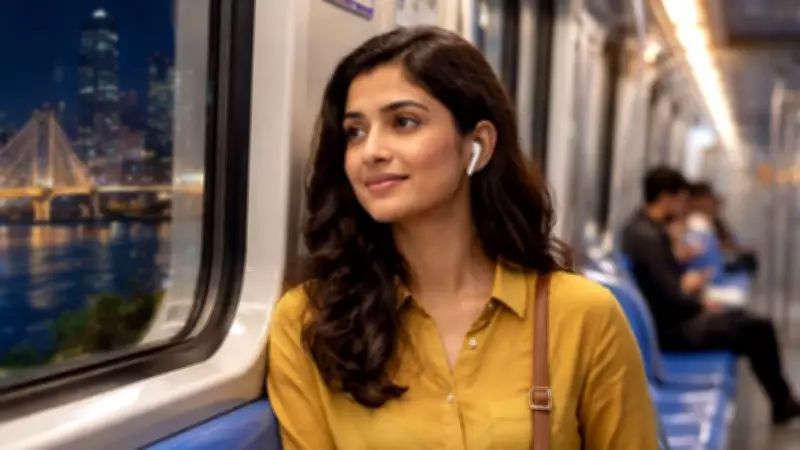
Delhi Woman's Midnight Mumbai Metro Experience Goes Viral, Igniting National Safety Conversation
A simple late-night Metro ride has unexpectedly become a powerful symbol of urban safety and freedom, sparking intense discussions across social media platforms. The video, shared by Delhi-based Instagram user Divya, captures her journey on the Mumbai Metro around 12:10 am, showcasing what she describes as an emotionally profound experience of feeling completely secure in public transport after midnight.
The Viral Journey That Touched a Nerve
Divya's video presents an ordinary yet remarkable scene: groups chatting animatedly after attending a concert, commuters sharing laughter, and people maintaining respectful personal space despite the late hour. Nothing extraordinary happened during her ride, but that very ordinariness became the most powerful aspect of her experience. For a woman who grew up in Delhi, being able to use public transportation past midnight without anxiety represented something deeply meaningful.
In her heartfelt caption, Divya expressed, "As a woman who grew up in Delhi, it made me so emotional to be in public transport post midnight wearing whatever I want and watching people be so civilized and mindful." She further noted that this sense of order and consideration extended even to the crowded Metro station following the concert she had attended earlier that evening.

Stark Contrast Between Two Metropolises
The contrast with her experiences in Delhi formed the emotional core of her message. Divya described the constant safety calculations that defined her life in the national capital: "In Delhi? I always had to plan, are my outfits okay? Can I take a cab post 11pm? I wouldn't even consider the metro." This perpetual need to assess risks, personal space concerns, and potential unwanted attention stood in sharp relief against her Mumbai experience.
Her discovery of calm and considerate behavior around her in Mumbai made her reflect that moving to the city had been "so worth it." This simple statement resonated with thousands of women who have navigated similar safety concerns in various Indian cities.
Social Media Erupts With Mixed Reactions
The video quickly generated passionate responses across social media platforms, revealing deep-seated perspectives about urban safety and gender experiences:
- Many women strongly identified with Divya's feelings, praising Mumbai for offering a sense of ease and freedom. One user commented, "Mumbai isn't perfect, but moments like this show why people trust the city. Safe, chill, and let-you-be. Freedom shouldn't have a curfew."
- Another response highlighted the gender dimension of the discussion: "Honestly, it's exhausting to see so many men defending this with the weakest possible arguments... The simple truth is: as a woman, you can't even imagine doing this in Delhi without calculating risk, fear, and consequences. That's the real difference."
- Not everyone agreed with the comparison, with some users defending Delhi's context. One comment noted, "Mumbai people flexing after getting metro in 2025; if even one post was made about the local trains..."
- A more balanced perspective emerged from another user: "I would say Mumbai is safer than Delhi, but I think the metro is safe in both cities."
Broader Implications for Urban Safety Discourse
This viral moment has transcended a simple social media post to become a significant cultural conversation about:

- Women's safety in public spaces across different Indian cities
- The emotional impact of feeling secure versus constantly calculating risks
- Urban infrastructure's role in creating safe environments for all citizens
- The gender gap in experiences of public transportation and urban mobility
Divya's midnight Metro ride has become more than just a personal experience—it has evolved into a national dialogue about what safety means, how different cities approach public security, and why such ordinary moments can carry extraordinary significance for women navigating urban India. The conversation continues to develop as more people share their perspectives, experiences, and hopes for safer cities across the country.