Vijay Deverakonda and Rashmika Mandanna Spark Viral Wedding Trend with Traditional Alta Dye
When the highly anticipated wedding photos of South Indian superstars Vijay Deverakonda and Rashmika Mandanna emerged from their Udaipur ceremony, fashion analysts immediately began dissecting every detail. While the antique temple gold jewelry and historical Vanasingaram weave captured initial attention, a subtle yet powerful beauty element in the talambralu ritual photos has since taken center stage, going viral across social media platforms.
The Missing Mehndi: A Bold Departure from Tradition
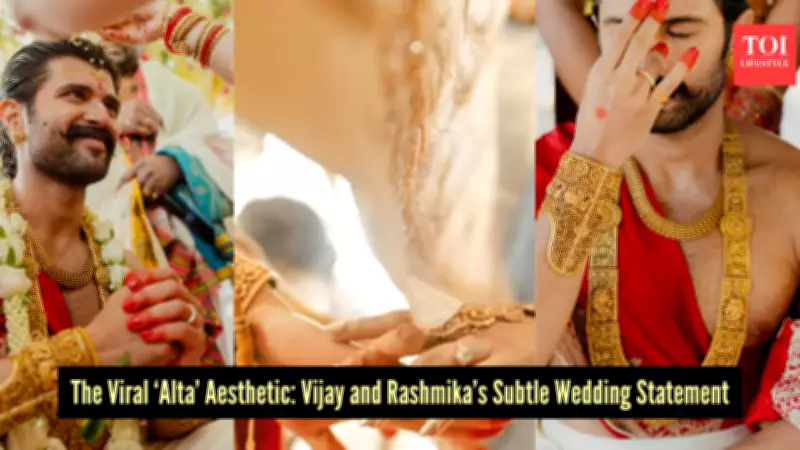
In a striking departure from contemporary celebrity wedding norms, both the bride and groom conspicuously lacked the elaborate, elbow-length bridal mehndi that has become standard fare. Instead, their fingertips and feet displayed vibrant, bright red stains—a traditional application known as alta in Eastern and Northern India, and called paraani or gorintaku in Southern regions.
This minimalist approach represents a significant shift from the marathon eight-hour mehndi sessions that have dominated celebrity weddings for over a decade. Typically, grooms participate minimally with small, hidden designs, but Vijay and Rashmika completely rewrote this script, embracing a raw, earthy aesthetic deeply rooted in cultural heritage rather than manufactured glamour.

Historical Roots of a Gender-Neutral Ritual
The viral images challenge conventional gender norms in wedding beauty, where brides traditionally bear the burden of elaborate cosmetics while grooms maintain minimal adornment. Historical evidence from ancient Indian courts and temple texts reveals that wearing this crimson dye was never exclusively feminine—kings, warriors, and grooms proudly wore these red accents as symbols of celebration and ritual significance.
Seeing Vijay with his hands stained red as he holds ceremonial silver pots brings a grounded, unexpectedly powerful energy to the proceedings, creating a shared visual language that positions both partners as equal participants in an ancient tradition rather than merely coordinated fashion statements.
The Practical Advantages: Time and Budget Benefits
Beyond its cultural resonance, this traditional approach offers substantial practical benefits for modern couples planning their weddings:
- The Standard Mehndi Route: Booking a celebrity-tier bridal mehndi artist specializing in intricate, portrait-quality designs can easily cost between ₹25,000 to over ₹1,00,000, requiring an entire day of the bride remaining stationary.
- The Traditional Alta/Paraani Alternative: Natural, skin-safe red dye costs approximately ₹150 per bottle at local markets. Even with professional application to ensure geometric precision for photography, expenses range from just ₹2,000 to ₹5,000, with the entire process completed in under twenty minutes.
This dramatic reduction in both time commitment and financial investment makes the alta aesthetic particularly appealing for contemporary couples seeking meaningful alternatives to conventional wedding extravagance.
The Rising Trend: Minimalist Heritage in Modern Celebrations
While elaborate bridal henna remains popular, the visual impact of couples sharing this bright red, historically significant ritual dye has captured public imagination. The images from Vijay and Rashmika's wedding demonstrate how traditional practices can be reinterpreted for modern sensibilities, creating what many are calling the ultimate low-maintenance, high-impact beauty statement of the 2026 wedding season.
This trend represents more than just aesthetic preference—it signifies a growing appreciation for cultural authenticity and gender equality in wedding rituals, with social media users praising the couple for reviving and normalizing practices that honor heritage while challenging contemporary norms.