10 Iconic Bengali Dishes That Define the Region's Culinary Identity
Bengali cuisine represents a sophisticated culinary tradition shaped by principles of balance, restraint, and profound flavor memory. Rather than relying on overwhelming spices, it builds complexity through mustard oil, gentle sweetness, seasonal ingredients, and meticulous attention to texture. This food philosophy reflects an intuitive understanding of how flavors gradually unfold on the palate, often transforming with each bite. Meals are crafted to feel complete rather than excessive, allowing individual components to maintain their distinct presence. Below are ten essential dishes that collectively illustrate how Bengali cooking approaches ingredients, techniques, and evolution across seasons and occasions.
Shorshe Ilish: The Quintessential Bengali Delicacy
If a single dish could symbolize Bengal, it would undoubtedly be Shorshe Ilish. This preparation features hilsa fish cooked in a pungent mustard paste, finished with mustard oil and green chillies. The resulting flavor profile is simultaneously sharp, fatty, and aromatic, embodying Bengal's appreciation for bold tastes achieved with minimal ingredients. Deeply seasonal and emotionally resonant, this dish is traditionally savored slowly with plain rice.
Macher Jhol: The Everyday Comfort Food
Macher Jhol represents everyday Bengali cooking at its finest. This light fish curry typically uses rohu or katla fish, potatoes, turmeric, and mustard oil, avoiding heavy masalas or thick gravies. Designed to be comforting, digestible, and consistently satisfying, Macher Jhol demonstrates how simplicity, when handled with care, creates enduring flavor.

Luchi and Aloo Dum: Festive Indulgence
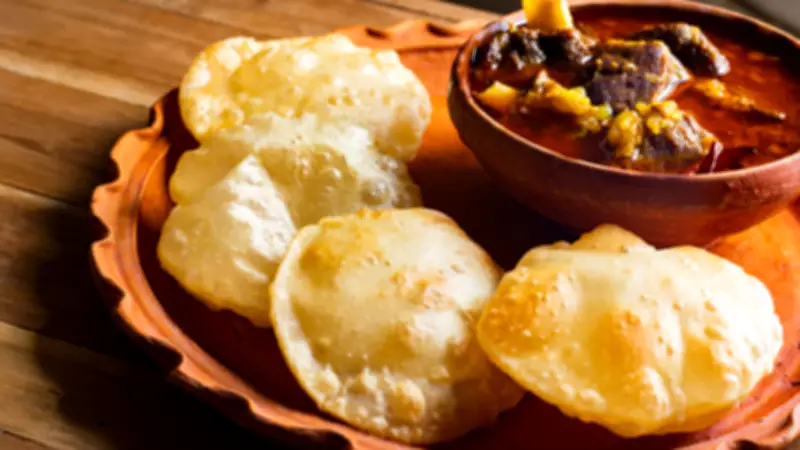
The combination of soft, puffed luchis paired with lightly spiced, slightly sweet aloo dum is classic festive fare. The potatoes are slow-cooked, and the gravy remains gentle rather than fiery. This pairing highlights Bengal's preference for rounded flavors over sharp spice hits, offering indulgence without heaviness.
Cholar Dal: Aromatic and Warm
Cholar Dal distinguishes itself from most Indian dals in both mood and flavor. Based on chana dal, ghee, coconut pieces, and whole spices, it emphasizes warmth and aroma rather than heat. The gentle, deliberate sweetness rounds the dish without venturing into dessert territory. Typically served with luchi during festive meals, Cholar Dal exemplifies how Bengali cuisine seamlessly incorporates sweetness into savory food, adding depth without demanding attention.
Chingri Malai Curry: Coastal Elegance
Prawns cooked in a creamy coconut milk gravy result in a dish that feels luxurious yet balanced. The sweetness of coconut, the tenderness of prawns, and subtle spices create an elegant rather than heavy experience. This dish reflects coastal influences and Bengal's comfort with mild richness.
Shukto: The Palate Preparer
Often served at the beginning of a meal, Shukto is a mixed vegetable preparation with a slight bitter note. Ingredients like bitter gourd, raw banana, drumsticks, and a milk-based gravy combine gently. Not intended to impress immediately, Shukto prepares the palate, showcasing Bengal's deep connection with digestion and balance.
Kosha Mangsho: Technique-Driven Richness
Slow-cooked mutton in a thick, clinging gravy, Kosha Mangsho is intense yet controlled. The meat is cooked until tender, spices are roasted patiently, and oil separates naturally as flavors deepen. This dish reflects Bengal's respect for time and technique, where slow cooking allows richness to build gradually and each element to integrate purposefully into the gravy.
Mishti Doi: Cultural Sweetness
Sweetened, caramelized yogurt set in earthen pots is more than dessert; it's a cultural marker. Mishti Doi is creamy, mildly tangy, and perfectly sweetened. It demonstrates Bengal's expertise with fermentation and subtle sweetness, concluding meals softly rather than dramatically.
Sandesh: Refined Dessert Art
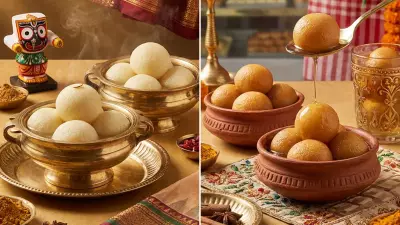
Made from fresh chhena, Sandesh is delicate and understated. Unlike syrup-soaked sweets, it focuses on milk's natural flavor. Sometimes flavored with cardamom or saffron and simply shaped, Sandesh represents restraint and refinement in Bengali desserts.

Patishapta: Seasonal Nostalgia
A thin rice flour crepe filled with coconut and jaggery, Patishapta is associated with winter and festivals. Soft, warm, and gently sweet, it evokes nostalgia. Texture matters as much as taste here, reflecting Bengal's sensitivity to mouthfeel and seasonal eating practices.