

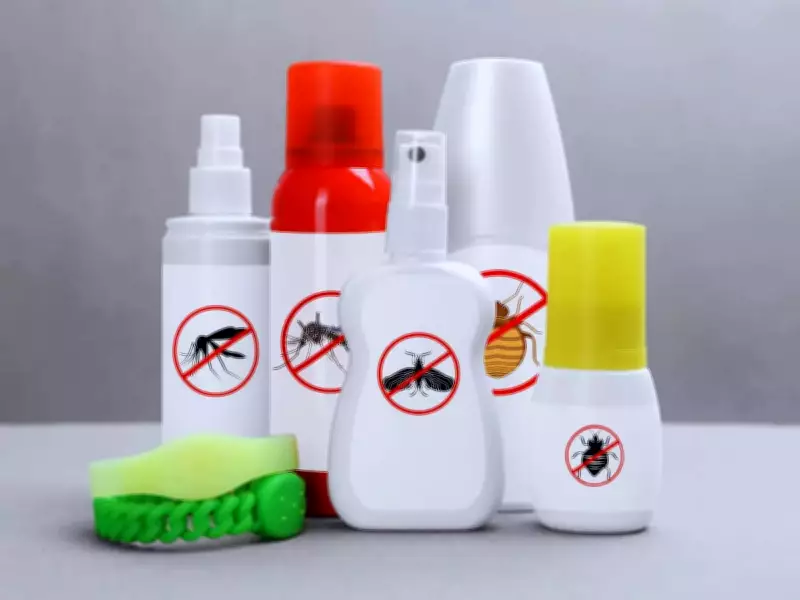
5 Effective Homemade Ant Killer Sprays: Chemical-Free DIY Solutions
Ant infestations are a widespread nuisance in households globally, frequently invading kitchens, bathrooms, and dining areas. A single crumb left unattended can attract a trail of these persistent insects. While commercial pest control services and pesticides offer rapid relief, their effects are often short-lived, lasting merely days or weeks before ants return. More critically, these products contain harsh chemicals that pose significant health risks, particularly in homes with children and pets. Consequently, many homeowners avoid them due to safety concerns, messiness, and the extensive effort required.
Fortunately, there are numerous homemade, chemical-free ant killer sprays and repellents that are both effective and safe. These DIY solutions utilize everyday household items like vinegar, dish soap, and lemon, providing an eco-friendly alternative to toxic pesticides. By incorporating these methods into your routine, you can maintain an ant-free environment without compromising on safety.
Vinegar Spray: Disrupting Scent Trails
Vinegar is a remarkably effective natural remedy for repelling ants, often hailed as one of the most potent solutions available. Ants rely on pheromone-based scent trails to navigate between food sources and their colonies. Vinegar's strong acidic odor breaks these trails, confusing the ants and hindering their ability to find their way. This disruption effectively severs the chain of communication within the colony.

How to make it: Combine equal parts of white vinegar and water in a spray bottle. For enhanced efficacy, add a few drops of essential oil, such as tea tree or lavender. Shake the mixture thoroughly and spray it directly onto entry points, countertops, windowsills, and other areas where ants are commonly observed. Reapply daily or as needed to maintain its repellent properties.
Peppermint Oil Spray: A Natural Repellent
Peppermint oil serves as an excellent natural ant repellent due to its intense aroma, which ants find highly disagreeable. This strong scent interferes with their olfactory senses, making it difficult for them to establish trails or locate food. As a bonus, peppermint leaves a refreshing, minty fragrance in your home.
How to make it: Add 10-15 drops of pure peppermint oil to one cup of water in a spray bottle. Shake the bottle vigorously to ensure proper emulsification. Spray the solution around baseboards, door frames, kitchen cabinets, and any other potential entry points. For best results, use this spray consistently to create a lasting barrier.
Lemon Juice Spray: Citrusy Deterrent
Lemon juice offers a fresh and efficient method for deterring ants, thanks to its acidic nature and potent citrus scent. Ants have an aversion to acidic environments, and lemon juice effectively masks their scent trails while leaving a pleasant aroma behind. This makes it an ideal choice for kitchens and living areas.
How to make it: Mix one part freshly squeezed lemon juice with three parts water in a spray bottle. Optionally, place lemon peels near suspected entry points to enhance the repellent effect. Spray the solution around windows, doors, countertops, and pantry shelves. Regular application will help keep ants at bay and maintain a clean, fresh-smelling home.
Dish Soap and Water Spray: Simple Yet Lethal
This straightforward DIY formula is remarkably effective at eliminating ants and eradicating their trails. The soap in the mixture breaks down the protective waxy coating on ants' exoskeletons, leading to dehydration and death. Simultaneously, it removes pheromone trails, preventing other ants from following.
How to make it: Combine one tablespoon of liquid dish soap with one cup of water in a spray bottle. Shake gently to avoid excessive suds. Spray directly onto visible ants and onto surfaces where they traverse, such as floors and walls. This solution acts quickly and is safe for use around food preparation areas when used as directed.

Baking Soda and Sugar Trap: Sweet but Deadly Bait
A mixture of baking soda and powdered sugar functions as a chemical-free bait that lures ants with sweetness but delivers a fatal blow. The sugar attracts ants to the mixture, while the baking soda reacts with their digestive systems, causing internal disruption. This method is particularly useful for targeting entire colonies.
How to make it: Blend equal parts baking soda and powdered sugar in a small container, such as a bottle cap or shallow dish. Place these traps near ant trails, under sinks, or in corners where activity is high. Replace the mixture every few days until ant activity ceases entirely. This approach ensures that ants carry the bait back to their nest, effectively eliminating the source.
By integrating these five homemade, chemical-free ant killer sprays into your household maintenance routine, you can achieve long-term pest control without exposing your family to harmful substances. These DIY methods are not only cost-effective but also environmentally friendly, making them a smart choice for health-conscious homeowners. Remember, consistency is key—regular application will help maintain an ant-free home and provide peace of mind.
