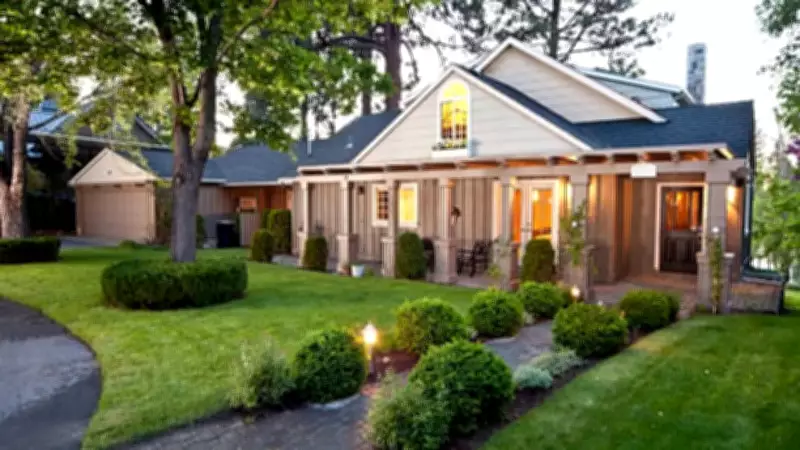
As global temperatures rise and heatwaves become more intense each year, maintaining a cooler indoor environment has shifted from a luxury to a necessity. Experts warn that indoor heat exposure negatively impacts health, sleep quality, and energy consumption. While air conditioners remain widely used, natural and architectural approaches are gaining popularity. Here are six effective home cooling elements that can help reduce indoor heat without relying heavily on AC units.
1. Heat-Reflective Roof Coating
One of the most efficient ways to minimize indoor heat is applying a heat-reflective roof coating. These coatings reflect solar radiation from the roof instead of absorbing it, thereby reducing indoor temperatures. By preventing heat transfer from the roof, they help create cooler homes. Architects recommend using lighter colors or reflective materials, which can decrease energy consumption and reduce reliance on air conditioners.
2. Efficient Ventilation and Cross-Breezing
Proper ventilation plays a crucial role in cooling indoor spaces. Architects suggest designing homes with windows on opposite sides to ensure better cross-ventilation, allowing air to flow through and remove hot air. Ceiling vents and other ventilation openings can further enhance air circulation, making rooms more comfortable without mechanical cooling.

3. Indoor Plants as Cooling Elements
Natural vegetation creates a favorable microclimate indoors. Experts recommend using plants like the Areca palm, which increases indoor humidity and makes breathing easier. Additionally, indoor plants cool the air through evapotranspiration—water evaporating from leaves reduces room temperature and minimizes dry air and dust.
4. Thermal Insulated Curtains
Thermal-insulated curtains, especially blackout curtains, block sunlight from entering homes and reduce room temperature. They act as thermal barriers, ensuring better temperature control during the hottest parts of the day. Using lighter colors for curtains enhances heat reflection, preventing overheating and protecting household items from direct sun exposure.
5. Water Cooling Methods
Water elements have been used for cooling since ancient times. Small indoor pools, water fountains, and bowls promote evaporation, which increases humidity and absorbs heat from the surrounding air. Modern homes often incorporate small water features to achieve a cooling effect while improving aesthetics.
6. Landscaping Solutions
Outdoor landscaping plays an essential role in reducing indoor temperatures by preventing building overheating. Planting trees, bushes, and creepers reduces direct sunlight absorption and excessive heating. Green walls and balcony coverage provide natural insulation. Experts claim that proper landscape planning can lower room temperature by several degrees.