

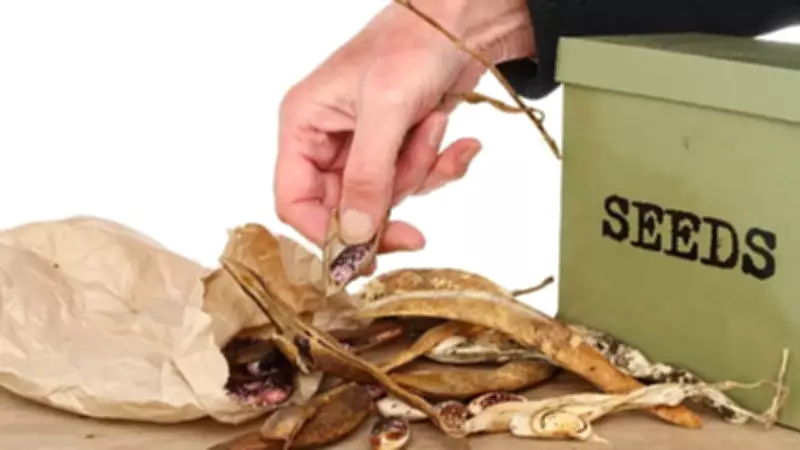
Harvesting seeds from your favorite plants not only guarantees a rich yield next season but also saves money on purchasing new ones. Regardless of whether you have collected vegetable seeds, flower seeds, or herbal ones, it is important to remember that appropriate seed preservation is critical to ensuring their health and capability to germinate. Many gardeners underestimate how fast these qualities can deteriorate due to moisture, heat, or sunlight exposure. However, following some rules will make sure your seeds last longer. Here are six effective tips on storing plant seeds.
Ensure That Seeds Are Absolutely Dry
Prior to storage, check if the seeds are totally dry. Moisture is among the worst enemies of viable seeds because it leads to fungal infections and early germination. After harvesting seeds from plants, you can lay them on a surface, covered with paper or another material that does not absorb moisture, in a ventilated space for several days. According to many experienced gardeners, you should always dry them longer than needed to prevent moisture-related complications later. Dry seeds have a greater chance of remaining viable for a long period of time and do not rot.
Label Each Seed Packet
Although it might sound ridiculous, many gardeners cannot distinguish their saved seeds from others after several months. It is extremely difficult to identify various seeds since they usually do not have any distinguishing features. Therefore, it is recommended to label every seed packet properly by noting the plant name, the date of harvest, and other characteristics you think are relevant. Labelling your seeds will save a lot of time during further planning of planting.

Store Seeds in Airtight Containers
For maintaining health, seeds need to be secured from any changes in environmental conditions. While paper packets can provide you with a convenient way of arranging seeds, you should consider keeping them in airtight containers. Glass jars, closed boxes made from plastic materials, and other similar storage means can effectively ensure the longevity and safety of plant seeds. In addition, using appropriate containers becomes especially helpful in case you store numerous seeds.
Choose a Cool and Dark Place for Storing
Warm and sunny places are harmful for your seeds since constant temperature fluctuations and bright light decrease their germinating qualities. That is why you should choose dark areas for storing seeds. The best places to store them are cupboards, drawers, basements, or storage cabinets. Even storing seeds in the refrigerator is a good idea, provided that it is done properly. The basic principle says that the cooler and darker the place, the longer seeds can survive.
Include Silica Gel or Rice to Absorb Moisture
Even though seeds seem to be perfectly dry, there can be a little amount of moisture left in the container with the seeds. Silica gel or rice grains can effectively absorb excessive moisture, which is beneficial for seeds and reduces their risk of fungal infection and rotting. These substances create the most favourable conditions for seeds, making them viable for a long time. Such measures become especially necessary for gardeners living in humid climates.
Check Stored Seeds From Time to Time
To secure your seeds from any possible damage, it is essential to examine their condition once in a while. You need to pay attention to any signs of fungi growth, odour, contamination with insects, or deterioration of the seeds' appearance. It will be useful to change the containers in which you keep seeds and remove any damaged seeds so that they would not spoil other seeds. In addition, it will not hurt to test the seeds' germinating capacity from time to time.

