

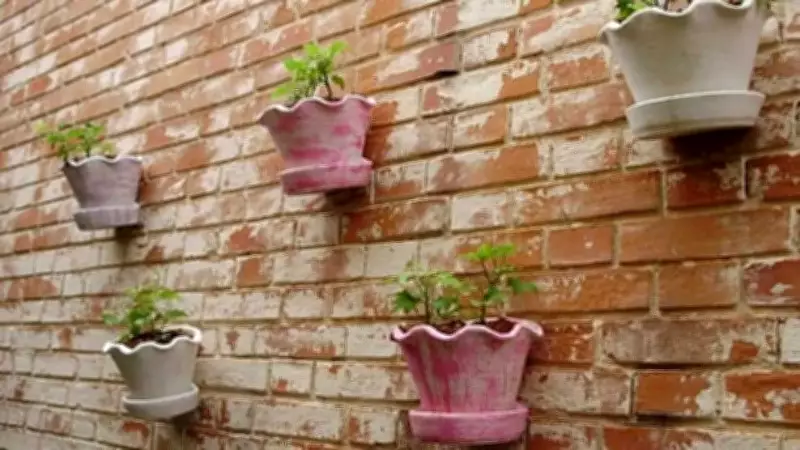
Every gardener inevitably accumulates a collection of flower pots over time. However, not all pots remain in perfect condition; they may become chipped, stained, or cracked. Instead of discarding them, these pots can be given a new lease on life through creative repurposing. Finding the right reuse can be both challenging and rewarding, saving time and money while adding unique elements to your garden. Here are seven inventive ways to transform old flower pots into functional and decorative items.
1. Herb Planters
Slightly damaged pots are ideal for growing herbs. Varieties such as basil, mint, coriander, parsley, and rosemary thrive in these containers. This simple project allows you to cultivate fresh ingredients for your kitchen, making use of pots that might otherwise be thrown away.
2. Bird Feeding Stations
Create bird feeders by arranging shallow pots with seeds or stacking pots to form a platform. Painting the pots in bright colors can attract more birds. These stations support local wildlife and add charm to your outdoor space.

3. Storage for Gardening Tools
Large pots can store trowels, hand forks, and pruning shears, while smaller pots hold plant markers, strings, or seed packets. This helps keep your gardening area organized and prevents tools from getting lost.
4. Fairy Gardens
Fairy gardens are enchanting projects for all ages. Use pots as bases, plant miniature plants, add stones, tiny houses, and figurines. Cracked pots can create terraced levels, adding depth and whimsy to the display.
5. Garden Water Features
A single large pot, a fountain pump, and decorative stones can form a small water feature. This inexpensive addition attracts birds and creates a soothing ambiance in your garden.
6. Compost Collection Containers
Use old pots to collect kitchen scraps before transferring them to the main compost bin. This encourages organic waste separation and supports eco-friendly gardening practices.
7. Decorative Accents
Repaint unusable pots in vibrant colors and arrange them as sculptures, light stands, or decorations. Stack them creatively or incorporate them into existing garden features for a personalized touch.

