

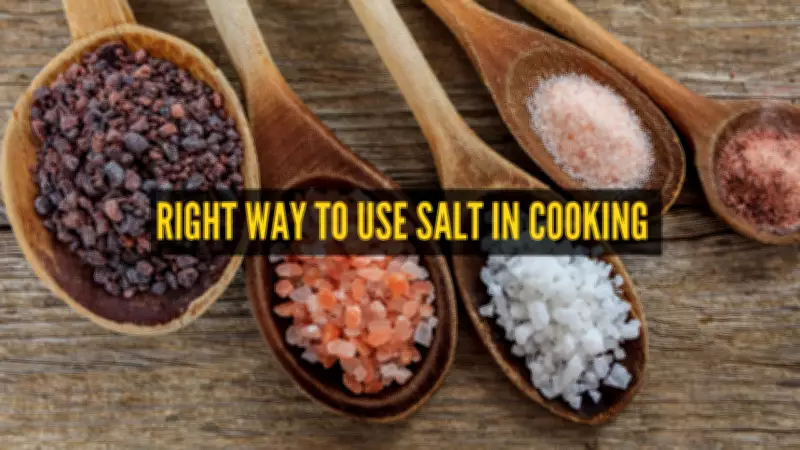
7 Types of Salt and How to Use Them Correctly for Maximum Benefits
While salt is commonly known as a simple seasoning that adds flavor to food, from a scientific perspective, it is a vital mineral composed primarily of sodium chloride. Salt plays crucial roles in the human body, including balancing electrolytes and fluids, transporting nutrients into cells, regulating acid-base balance and blood pressure, and aiding in the secretion of gastric acid. However, the world of salt extends far beyond the familiar white table salt found in most kitchens. Different types of salt can significantly enhance the taste, nutrition, and texture of various dishes. Here, we explore seven nutritious salts and provide guidance on how to use them correctly to maximize their benefits.
1. Table Salt
Table salt refers to the regular white salt that is a staple in Indian households and many international cuisines. It is typically refined and often fortified with iodine. This salt is known for its ability to boost nerve function and aid digestion due to its sodium content, which supports essential bodily processes.
Best Uses: It is best suited for a wide range of Indian and international dishes, including curries, soups, and baked goods, where a fine, consistent texture is desired.

2. Black Salt
Black salt, also known as kala namak, has a distinctive dark color and a unique, pungent aroma. It is renowned for its health benefits, particularly in boosting gut health and preventing constipation. Additionally, it helps maintain electrolyte levels in the body, making it a popular choice in traditional remedies.
Best Uses: This salt is best used in chaat, raita, lassi, and jaljeera, where its tangy flavor can shine and complement the dish's overall profile.
3. Pink Salt
Pink salt, often sourced from Himalayan regions, is a natural, unrefined salt that is rich in minerals. It contains essential elements like potassium, calcium, and magnesium, which contribute to improved heart health and support muscle and nerve function. Its mild, milky flavor makes it a versatile option.
Best Uses: It is mostly used in fasting foods and salads, where its mineral content and subtle taste can enhance the dish without overpowering other ingredients.
4. Sea Salt
Sea salt is produced through the evaporation of seawater, resulting in crystals that are often crunchy in texture. Its thin, delicate crystals add a pleasant crunch to dishes, and it retains trace minerals from the ocean, offering a more complex flavor profile compared to table salt.
Best Uses: It is best used for curries, roasted vegetables, chocolate desserts, seafood, and pickles, where its texture and flavor can elevate the culinary experience.
5. Smoked Salt
Smoked salt is a type of sea salt that has been smoked over wood, giving it a deep, smoky flavor. This process not only enhances its taste but also enriches it with minerals that can boost overall health. It adds a unique dimension to dishes, reminiscent of barbecue.
Best Uses: It is best used for grilled vegetables, soups, and other dishes where a smoky, barbecue-like taste is desired, adding depth and complexity.
6. Garlic Salt
As the name suggests, garlic salt is a mixture of plain salt and dried garlic powder. This combination is rich in minerals and antioxidants, which are beneficial for human health. It offers a convenient way to add both saltiness and garlic flavor to dishes.
Best Uses: It is best used as a seasoning for popcorn, roasted potatoes, and pasta dishes, providing that perfect kick of flavor without the need for additional garlic.
7. Kosher Salt
Kosher salt is characterized by its larger, flaky crystals and coarse texture, making it easy to pinch and sprinkle. It typically does not contain additives like iodine, allowing its pure salt flavor to come through. Its texture makes it ideal for certain culinary techniques.
Best Uses: It is best used for seasoning meats, marinades, and roasted vegetables, where its coarse grains can adhere well and provide even seasoning.

By understanding the unique properties and benefits of these seven salts, you can make informed choices in your cooking to enhance both the flavor and nutritional value of your meals. Experimenting with different salts can transform ordinary dishes into extraordinary culinary experiences, while also supporting your health through their varied mineral contents.
