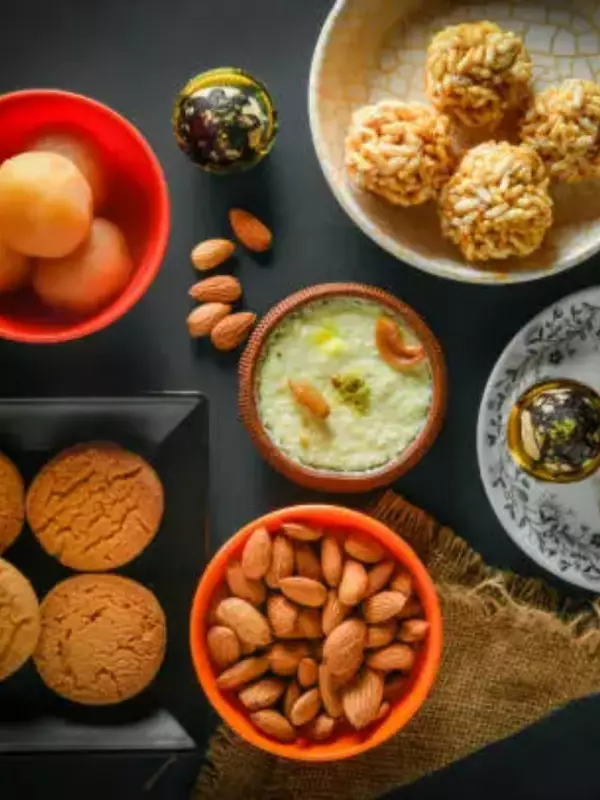
As the winter chill sets in across India, the culinary landscape transforms, offering a treasure trove of traditional foods specifically designed to provide warmth and nourishment. These seasonal delights are more than just tasty treats; they are a part of cultural wisdom, using ingredients that naturally help the body combat the cold. From rich, ghee-laden sweets to hearty, spice-infused snacks, here are eight quintessential Indian winter foods you should incorporate into your diet to stay cozy and healthy.
Sweet Delights: Desserts That Double as Warmers
The first category of winter warmers comes in the form of irresistible sweets. Gajar ka Halwa stands as the undisputed king of winter desserts. This iconic dish, made from grated red carrots, full-fat milk, ghee, and sugar, is slow-cooked to perfection. The carrots, harvested in winter, are at their sweetest, and the generous use of ghee provides essential fats that generate body heat. Often garnished with nuts and cardamom, this halwa is a festive staple that warms you from the inside out.
Another classic is Moong Dal Halwa, a labor of love that yields incredible rewards. Made from soaked and ground moong dal, this halwa is cooked in copious amounts of ghee until it turns aromatic and golden. Rich in protein and healthy fats, it is a dense, energy-giving food perfect for cold mornings. Similarly, Panjiri or Pinni is a powerhouse snack from North India. This flour-based mixture combines whole wheat flour, ghee, sugar, and an array of dry fruits and edible gums like gond. It is traditionally given to new mothers for strength but is enjoyed by all for its incredible heat-generating properties.

Nutritious Snacks and Savory Bites
Moving beyond sweets, savory and nut-based treats play an equally important role. Til (Sesame) Ladoo is a winter superstar. Sesame seeds are considered a 'warming' food in Ayurveda. These jaggery-sweetened ladoos are packed with calcium, iron, and healthy oils. The combination of til and jaggery, another winter ingredient, is believed to improve bone health and provide sustained energy, making these ladoos a popular snack across the country.
Gond ke Ladoo takes the concept of warmth a step further. Edible gum (gond), collected from trees, is fried in ghee until it puffs up. It is then mixed with nuts, whole wheat flour, and jaggery. Known for its medicinal properties, gond is said to relieve joint pain, which often worsens in the cold, and provide intense warmth. For a simpler, everyday option, Makki ki Roti with Sarson ka Saag is the heart of Punjabi winter cuisine. The cornmeal (makki) roti is dense and hearty, while the mustard greens (sarson) saag is cooked with spices and butter. This combination is not only delicious but also rich in fiber, vitamins, and minerals that boost immunity.
Comforting Drinks and Wholesome Meals
Liquids and whole meals complete the winter food spectrum. Raab is a traditional Gujarati remedy, a warm drink made from bajri (pearl millet) flour, ginger, garlic, and buttermilk or water, tempered with ghee and spices. It is a light yet potent concoction often given at the first sign of a cold to induce warmth and recovery. On the sweeter side, Badam (Almond) Milk is a nourishing nightly ritual. Almonds, soaked overnight and blended into milk with saffron and cardamom, create a drink that is rich in vitamin E and healthy fats. It promotes good sleep and keeps the body warm through the night.
Finally, no winter list is complete without the mighty Gur (Jaggery). This unrefined sugar is a versatile winter ingredient used in everything from ladoos to simple snacks. Eating a small piece of jaggery with ghee after a meal is an ancient practice believed to aid digestion and generate heat. It is also a great source of iron, combating seasonal fatigue.
These eight winter treats embody a deep understanding of seasonal eating. They utilize ingredients that are naturally available during the colder months and are prepared in ways that maximize their health benefits. Integrating these foods into your winter diet is a delicious way to embrace tradition, enhance your well-being, and stay naturally warm throughout the season.