9 Unique Food Etiquette Rules From Around the World
Food transcends mere sustenance, embodying culture, tradition, and social values. What seems perfectly normal at your dining table might be considered bad manners or unusual in another part of the world. From avoiding eating with bare hands to leaving food on the plate, dining customs vary widely, reflecting the rich diversity of global traditions. Here are nine unique food etiquette rules from different countries that highlight these fascinating differences.
Italy: The Cappuccino Curfew
In Italy, drinking a cappuccino after noon is viewed as unhealthy and improper. Italians believe that consuming coffee after lunch hours can disrupt digestion and kill hunger. Typically, coffee is not drunk on an empty stomach; instead, it is enjoyed with croissants or light snacks during morning hours. This rule underscores Italy's emphasis on timing and balance in culinary habits.
Thailand: The Fork-Spoon Method
One of the most challenging food etiquette rules to adapt to is in Thailand, where the proper way to eat involves transferring food from your fork onto a spoon before putting it in your mouth. Alternatively, chopsticks or just a spoon can be used. Placing a fork directly into your mouth is considered poor table manners, reflecting Thailand's focus on utensil etiquette and respect for dining tools.

India: Finish Everything on Your Plate
In India, it is crucial to finish all the food served to you. Leaving food on the plate is seen as disrespectful to both the host and the food itself. Proper dining etiquette also includes washing and drying your hands before the meal, complimenting the host after eating, and waiting until others stand up before leaving the table. These practices highlight values of gratitude and communal respect.
Chile: No Bare Hands Allowed
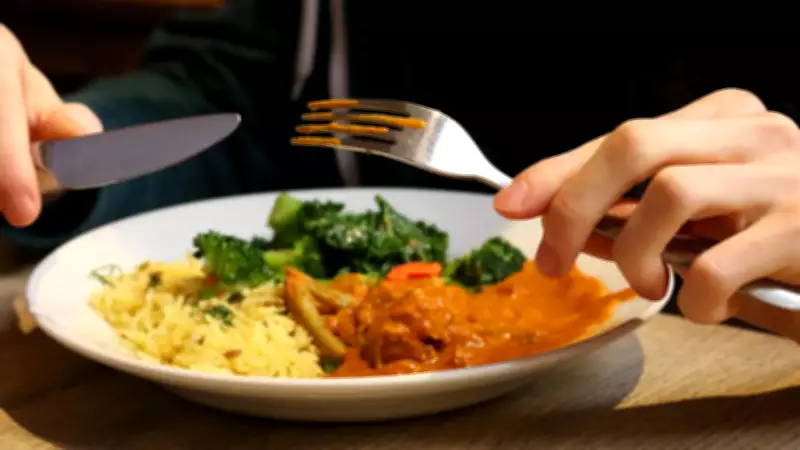
In Chile, eating with bare hands is considered bad manners, even for foods like fries, pizza, or sandwiches. Knives and forks are the standard utensils for most meals, emphasizing a formal approach to dining that prioritizes cleanliness and decorum.
China: Burping as a Compliment
In China, a gentle burp after a meal is viewed as a sign of satisfaction and enjoyment. While this might seem bizarre in other cultures, it reflects appreciation for the host and the food. This custom showcases how expressions of contentment can vary significantly across traditions.
Philippines: Leave a Little Food Behind
Contrary to many countries where leaving food on the plate is frowned upon, in the Philippines, leaving a small amount indicates that you are full and the host has provided more than enough. It is a sign of satisfaction; finishing everything might suggest you are still hungry. This rule emphasizes hospitality and abundance.
Japan: No Tipping at Restaurants
Tipping servers is common in many places, but in Japan, it is considered disrespectful. Good service is seen as a standard expectation, not something extra that requires additional payment. This etiquette rule highlights Japan's cultural emphasis on professionalism and humility in service.
South Korea: Elders Eat First
In South Korea, respecting elders at the table is paramount. The eldest member present takes the first bite of the meal, a tradition that honors seniority and family hierarchy. This practice underscores the importance of respect and social order in Korean dining culture.
France: Keep Hands on the Table
In France, it is important to keep your hands visible on the table while eating, rather than resting them on your lap. This rule, which might seem peculiar to outsiders, is considered proper table etiquette, reflecting a focus on engagement and attentiveness during meals.
These nine unique food etiquette rules from around the world illustrate how dining customs are deeply rooted in cultural values. Understanding these differences can enhance cross-cultural interactions and appreciation for global diversity in everyday practices.