

Major Crackdown on Adulterated Mawa in Kanpur Ahead of Holi Festivities
In a significant operation targeting food adulteration, the Food Security and Drug Administration conducted a raid at Panki Railway Station in Kanpur, resulting in the seizure of 9 quintals of adulterated mawa and edible oil valued at approximately Rs 29.8 lakh. The confiscated goods, which included mawa worth Rs 3.42 lakh, were transported via an Etawah-Kanpur passenger train and were immediately destroyed at a disposal plant to prevent consumption.
Understanding the Threat of Adulterated Mawa During Holi
Holi celebrations are traditionally marked by an array of sweet delicacies such as gujiya and malpua, many of which rely on mawa as a key ingredient. This high demand creates opportunities for unscrupulous market players to introduce adulterated products. Common adulterants include starch, vegetable fats, blotting paper, and chalk powder, which are used to increase bulk, mimic texture, and alter appearance, posing serious health risks to consumers.
Five Essential Methods to Test Mawa Purity at Home
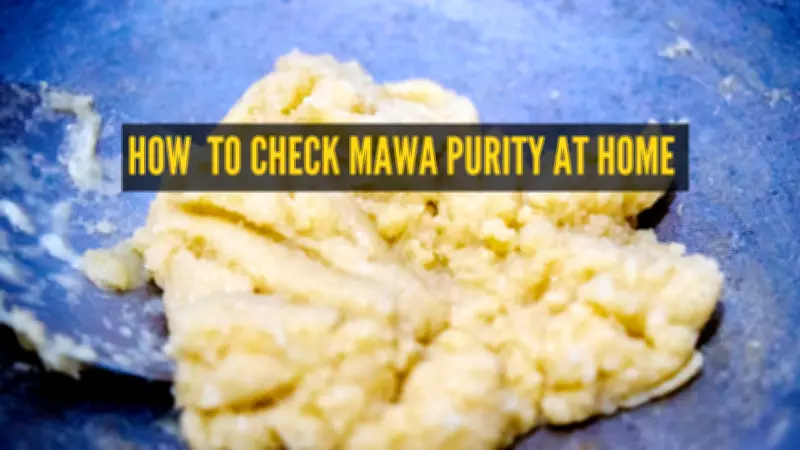
To ensure the safety of your Holi sweets, here are five practical methods recommended by experts and the Food Standards and Safety Authority (FSSAI) to verify mawa purity using simple household items.

- Iodine Test for Starch Detection
Take a teaspoon of khoya from the packet and dissolve it in a cup of hot water. Add a small amount of iodine to the mixture. If the khoya turns blue, it indicates the presence of starch, confirming adulteration. A lack of color change suggests the mawa is pure and safe for consumption.
- Sulphuric Acid Test for Chemical Adulterants
Place a small sample of khoya in a beaker and add concentrated sulphuric acid. Observe the reaction; if a violet-colored formation appears, it may signal the presence of harmful chemicals like formalin, indicating the mawa is adulterated.
- Texture and Taste Evaluation
Fresh, pure mawa typically has an oily and grainy texture with a slight natural sweetness. To test, rub a small amount on your palm; it should leave a greasy trail. Tasting a bit can also help verify its authentic sweetness, providing a quick check before purchase.
- Hydrochloric Acid and Sugar Test for Vanaspati
Mix the mawa sample with 2 tablespoons of hydrochloric acid and 1 tablespoon of sugar in a container. If the mixture turns red, it indicates the presence of vanaspati (hydrogenated vegetable oil), rendering the mawa impure and unfit for human consumption.
- Heating Test for Sugar Adulteration
Heat some mawa in a pan and add 1 tablespoon of sugar. As the sugar melts, observe the sides of the pan. If water begins to separate and accumulate, it suggests adulteration, making the mawa unsafe to eat.
Proactive Measures for Consumer Safety
This raid underscores the ongoing challenges in food safety, particularly during festive seasons when demand peaks. Consumers are urged to remain vigilant and employ these testing methods to protect themselves from adulterated products. By adopting these simple checks, you can enjoy Holi celebrations with confidence, ensuring that your traditional sweets are both delicious and safe.

