The Science Behind Baking Soda for Mattress Cleaning
Foul odors, dust accumulation, and unsightly stains represent common mattress issues that most individuals recognize but frequently delay addressing. Among various home cleaning techniques, applying baking soda followed by vacuuming stands as a widely adopted method for mattress maintenance. While seemingly straightforward, this approach demonstrates considerable effectiveness when executed properly.
How Baking Soda Neutralizes Mattress Odors
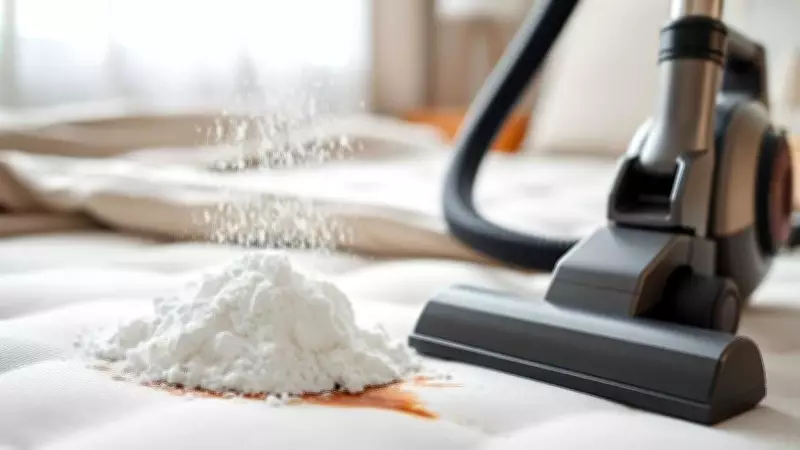
At its fundamental level, baking soda operates through moisture absorption and odor neutralization capabilities. Guidance from sleep experts at the Sleep Foundation clarifies that porous substances like baking soda can effectively trap and diminish odor-causing particles when allowed sufficient contact time on surfaces. This explains why distributing a light, uniform layer across the mattress surface and leaving it undisturbed for at least sixty minutes typically yields optimal results.
Scientifically, this process involves VOC adsorption mechanisms. Research into volatile organic compound removal demonstrates how solid materials with extensive surface areas can capture odor-producing VOCs from the air through adsorption processes. A relevant study published in Bioresource Technology, titled "Biochar for volatile organic compound (VOC) removal: Sorption performance and governing mechanisms," illustrates that porous solid adsorbents like biochar bond with VOC molecules via physical adsorption and partitioning, thereby reducing their environmental presence. Baking soda functions on similar principles, helping trap and neutralize fabric odors by adsorbing the responsible volatile organic compounds.

The Critical Role of Thorough Vacuuming
Once the designated waiting period concludes, vacuuming becomes paramount in the cleaning procedure. Merely removing visible baking soda residue proves insufficient; allergens must be extracted from deeper mattress layers because microscopic particles often cling beneath the surface. Scientific investigation confirms this necessity.
A research study published in the Journal of Asthma discovered that daily vacuum cleaning over multiple weeks led to substantial reductions in house dust mite allergens and other biological contaminants within mattresses. This finding indicates that consistent, thorough vacuuming helps lower allergen levels more effectively than occasional surface cleaning alone.
Limitations of Baking Soda Cleaning Method
Despite effectiveness against mild odors, baking soda cannot be considered a comprehensive cleaning solution. Common mistakes during implementation include using excessive quantities of powder. While initially appearing logical, heavier applications often prove counterproductive rather than enhancing results.
Hygiene considerations further highlight limitations. Research such as the study "Exposure to house dust mite allergens and the clinical activity of asthma" published in the Journal of Allergy and Clinical Immunology emphasizes how bedding materials accumulate significant allergen levels deep within their structures over time. This research demonstrates that increased exposure to mite allergens in beds correlates with more active asthma symptoms in sensitive individuals, reinforcing why surface-level treatments like baking soda may only freshen superficial layers without addressing underlying contamination.
Moisture Management and Comprehensive Cleaning Strategies
Moisture control represents another frequently overlooked aspect. According to World Health Organization guidelines on indoor air quality, documented in "Indoor dampness and mould as indicators of respiratory health risks," moisture contributes to mold growth and negatively impacts indoor hygiene. Failing to properly dry a mattress after cleaning inevitably leads to renewed odor absorption and potential health hazards.

Integrating Baking Soda into Broader Maintenance Routines
More effective approaches incorporate baking soda into comprehensive cleaning regimens rather than treating it as a last-resort solution. For stain removal, diluted dish soap solutions typically prove more efficient, addressing stains directly without leaving powder residues requiring additional removal. The crucial factor involves limiting moisture application and ensuring complete drying.
For particularly stubborn stains, cleaning professionals often recommend hydrogen peroxide, which helps break down organic stains like perspiration and liquid spills while providing disinfecting properties.
Preventive Measures for Long-Term Mattress Freshness
The principle of prevention lies at the heart of sustainable mattress maintenance. Protective mattress covers shield against dust, sweat, and dirt accumulation, while regular vacuuming addresses dust issues without necessarily requiring baking soda. Adequate ventilation prevents humidity buildup, creating an unfavorable environment for allergens and odors.
Ultimately, the baking soda method proves useful but functions best when applied correctly and moderately. Light application, sufficient waiting time, and proper vacuuming collectively make significant differences. When combined with simple habits like airing bedding regularly and addressing stains promptly, this technique becomes part of a routine that maintains mattress freshness with minimal effort.
Gentle consistency outweighs quick fixes in effectiveness. Rather than seeking rapid solutions, adopting consistent maintenance habits ensures clean, comfortable sleeping environments throughout extended periods. Proper mattress care involves understanding both the scientific principles behind cleaning methods and their practical limitations within comprehensive hygiene strategies.