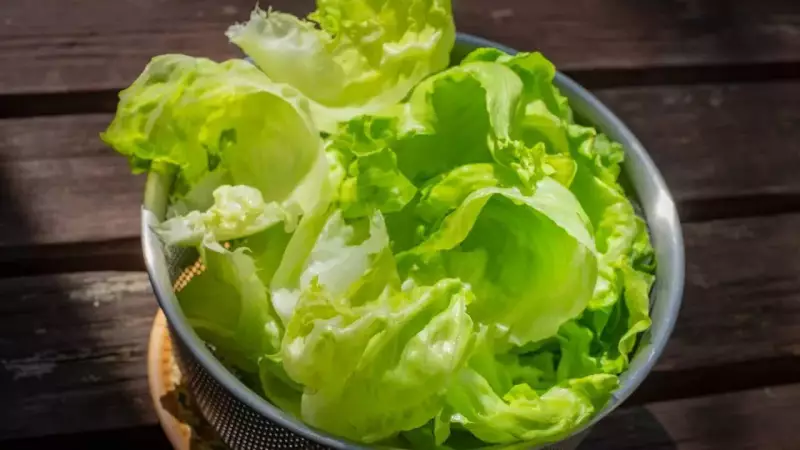
We've all been there. You buy a fresh, vibrant head of lettuce, place it confidently in your refrigerator, only to find it transformed into a sad, brown, and limp mess just when you need it for a salad. This common kitchen frustration has a simple scientific explanation and, more importantly, a straightforward solution.
Why Does Lettuce Turn Brown and Limp So Quickly?
The enemy of crisp, green lettuce is a trio of factors: excess moisture, trapped air, and temperature shock. When water lingers on the leaves and oxygen gets sealed in, the plant's cells begin to break down rapidly, leading to that unappealing browning, slimy texture, and off-putting smell. Your refrigerator handles the cold, but you need to manage the moisture and air.
The Step-by-Step Guide to Perfect Lettuce Storage
Transforming your lettuce's lifespan from hours to days requires a few consistent habits. The goal is to protect the delicate leaves from their worst enemies.

Step 1: Dry It Thoroughly
This is the most critical step. Whether you wash your lettuce or not, it must be completely dry before refrigeration. Any clinging water will pool and accelerate decay. Use a salad spinner for efficiency, or patiently pat each leaf dry with clean paper towels. The leaves should feel dry to the touch, not merely damp. Even unwashed lettuce benefits from having any visibly wet or damaged outer leaves removed first.
Step 2: Employ the Power of Paper Towels
Paper towels are the unsung heroes of lettuce preservation. Line the bottom of a container or a reusable produce bag with a dry paper towel. Place your dried lettuce on top, then cover it with another paper towel. This simple sandwich technique absorbs excess moisture released over time, preventing it from settling back onto the leaves. Replace the paper towels if they become damp after a couple of days for continued effectiveness. Remember not to pack the lettuce too tightly; a little space allows for necessary airflow.
Step 3: Choose Your Container Wisely
The right storage vessel makes a significant difference. Airtight containers work excellently when paired with the paper towel method. If using bags, opt for reusable produce bags and avoid sealing them too tightly. The thin plastic bags from grocery stores often trap condensation and should be avoided or repurposed. Even pre-packaged, store-bought bagged lettuce lasts longer if you open it, add a fresh paper towel, and reseal it in a better container.
Mastering Your Fridge's Layout for Fresher Greens
Where you place your lettuce in the refrigerator is as important as how you prepare it.
The crisper drawer is the ideal spot. It is designed to maintain a higher, more stable humidity level perfect for leafy greens. If your drawer has a humidity control, set it to 'High'. Storing lettuce on the main shelves exposes it to uneven drying and frequent temperature fluctuations every time the door opens.
Furthermore, practice smart fridge organization. Keep your lettuce away from ethylene-producing fruits like apples, avocados, and pears. This natural gas speeds up the ageing process in vegetables, causing lettuce to brown prematurely even under perfect storage conditions. A separate crisper drawer is ideal for this isolation.
What About Leftover Cut or Torn Lettuce?
Pre-cut lettuce browns faster due to exposed edges, but you can still extend its life. Lay the pieces on a dry paper towel, gently roll them up, and place the roll in a container or bag without compressing it. This method balances moisture and minimizes bruising.
Ultimately, the best way to store lettuce is not about achieving perfection. It's about adopting a few simple, consistent habits that shield the leaves from moisture, trapped air, and environmental stress. By following these steps, you ensure your lettuce stays fresh, green, and crunchy, ready to be enjoyed in your meals instead of being discarded into the compost bin.
Disclaimer: This content is intended purely for informational use and is not a substitute for professional medical, nutritional or scientific advice. Always seek support from certified professionals for personalised recommendations.