

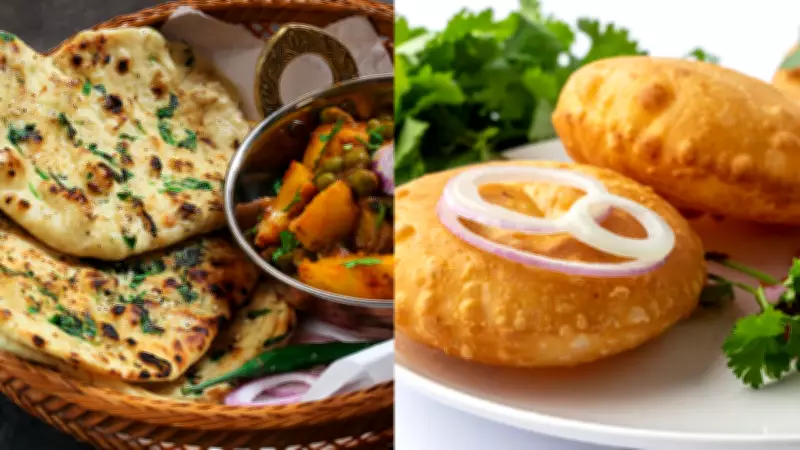
Beyond Roti & Naan: 9 Regional Indian Breads You Must Know
For countless diners, especially outside India and in fast-paced urban kitchens, Indian bread is often simplified to just two familiar staples: roti and naan. These appear on restaurant menus globally, offering comfort through familiarity but inadvertently overshadowing a much richer and more diverse culinary tradition. In reality, India's bread culture is vast and intricate, shaped by climate variations, local grains, historical migrations, and centuries of culinary adaptation.
Every region across the subcontinent has developed its own unique methods for transforming flour into nourishment, whether through fermentation, slow roasting, hand-patting techniques, or cooking over open flames. Some breads were ingeniously designed to endure harsh weather conditions, others to accompany festive meals and celebrations, while many emerged simply from what the land could sustainably provide. Upon closer examination, Indian breads reveal themselves as more than mere side dishes; they become edible histories that speak volumes about resilience, resourcefulness, and strong regional identities.
1. Bhakri: The Rustic Millet Flatbread
Rustic, hearty, and deeply nourishing, bhakri stands as a staple across Maharashtra, Gujarat, and parts of Rajasthan. Traditionally crafted using jowar, bajra, or rice flour, this thick flatbread reflects agricultural regions where wheat struggled to grow but hardy millets thrived abundantly.

Unlike soft rotis, bhakri boasts a slightly coarse texture and an earthy, robust flavor that pairs beautifully with spicy curries, garlic chutneys, or simple yoghurt accompaniments. It is typically patted by hand rather than rolled, giving it an uneven, handmade character that feels honest and grounding—food shaped by necessity rather than culinary refinement.
2. Appam: Kerala's Fermented Delight
Soft at the center and delicately crisp along the lacy edges, appam represents Kerala's answer to fermented comfort food. Made from a batter of rice and coconut, it is expertly cooked in a uniquely curved pan that allows the edges to fan outward while the middle remains delightfully pillowy.
Appam's gentle sweetness perfectly balances fiery stews, especially vegetable or coconut-based curries. Its airy, light texture results from natural fermentation, serving as a reminder of how coastal cuisines learned to harness humidity and natural processes long before modern baking science existed.
3. Thepla: The Traveler's Companion
Often associated with Gujarati travel culture, thepla is less a simple bread and more a reliable companion for journeys. Made with whole wheat flour, fenugreek leaves, and a blend of spices, it remarkably stays fresh for several days—a practical innovation born from communities accustomed to long trade routes and migrations.
Its flavor profile is layered yet subtle: slightly bitter from methi, warmly spiced, and comforting enough to enjoy on its own with pickle or a cup of chai. Thepla truly embodies portability, representing food thoughtfully designed for movement without ever sacrificing authentic taste.
4. Kulcha: North India's Tangy Treasure
While naan frequently dominates restaurant menus, kulcha quietly holds its esteemed place in North Indian kitchens, particularly in Punjab and Delhi. Traditionally leavened and cooked in a tandoor, kulcha is noticeably softer and slightly tangier than naan, thanks to careful fermentation processes.
Stuffed versions, filled with spiced potatoes, paneer, or onions, transform it into a complete meal rather than just a side dish. Paired famously with chole, kulcha becomes indulgent street food that masterfully balances richness with comforting familiarity.
5. Akki Roti: Karnataka's Flavorful Rice Flatbread
From Karnataka comes akki roti, a rice-based flatbread that showcases South India's remarkable ingenuity with non-wheat grains. Mixed directly with onions, green chillies, curry leaves, and sometimes grated vegetables, the dough is flattened directly onto a hot pan.
The result is a lightly crisp, aromatic, and deeply satisfying bread. Unlike many breads that play supporting roles, akki roti carries vibrant flavor within itself, often needing nothing more than coconut chutney to feel complete and satisfying.

6. Makki Di Roti: Punjab's Winter Classic
Synonymous with Punjabi winters, makki di roti is crafted from maize flour and traditionally served with sarson da saag. Its slightly crumbly texture demands considerable skill to shape, often requiring gentle hand-patting techniques instead of conventional rolling.
The bread's inherent sweetness perfectly complements the sharp, mustardy greens it accompanies. Together, they form one of India's most iconic seasonal meals, living proof that some foods become inseparable from specific climate conditions and harvest cycles.
7. Luchi: Bengal's Celebratory Fried Bread
In Bengal, luchi elevates the concept of fried bread into something almost celebratory. Made from refined flour and deep-fried until it puffs into soft, white balloons, it is noticeably lighter and more delicate than the more common puri.
Luchi is rarely everyday food; it belongs properly to festivals, lazy Sunday breakfasts, and special family gatherings, often paired delightfully with aloo dum or mildly spiced gravies. Its enduring appeal lies as much in nostalgic memories as in its delicate flavor.
8. Pathiri: Kerala's Translucent Rice Flatbread
A lesser-known gem from Kerala's Malabar region, pathiri is a thin rice flatbread closely associated with Moplah cuisine. Soft, almost translucent, and incredibly light, it is typically served with rich meat or coconut-based curries.
Because it contains no wheat whatsoever, pathiri feels clean and subtle on the palate, allowing bold, flavorful curries to truly shine. Its elegant simplicity demonstrates how minimal ingredients can produce remarkable culinary elegance.
9. Missi Roti: The Protein-Packed Earthy Bread
Earthy and protein-rich, missi roti combines whole wheat flour with gram flour (besan), along with aromatic spices and fresh herbs. Popular in Rajasthan and Punjab, it carries a distinctive nutty flavor and a satisfying density that makes it more filling than regular roti.
Often topped with a generous smear of butter or ghee, missi roti pairs beautifully with robust dals and tangy pickles. It reflects authentic agrarian cooking—practical, deeply nourishing, and thoughtfully designed to sustain long, demanding working days.
These nine breads represent just a glimpse into India's extraordinary bread-making heritage. Each tells a unique story of regional identity, agricultural practices, and culinary wisdom passed down through generations. Moving beyond the familiar roti and naan opens up a world where bread becomes not just sustenance, but a delicious expression of cultural history and geographical diversity.
