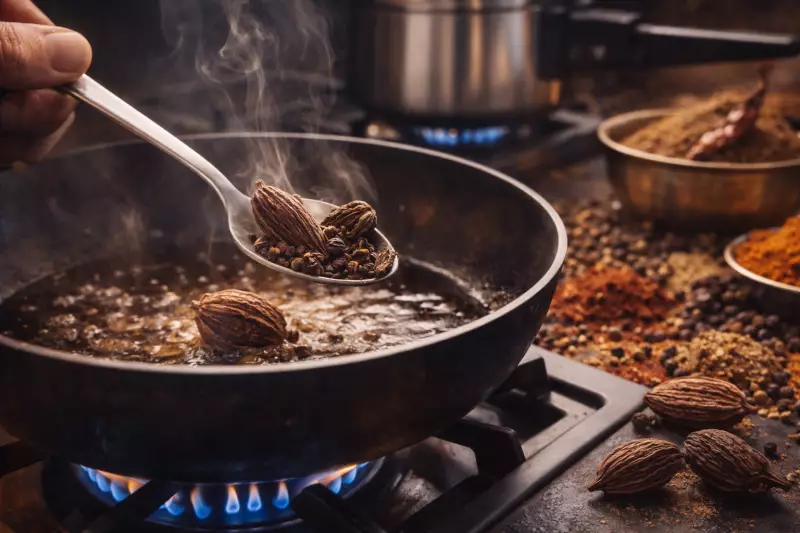
In the heart of Indian kitchens, flavor is never rushed. It is meticulously layered, patiently coaxed, and allowed to unfold gradually over time. Among the myriad spices that lend slow-cooked dishes their profound, almost enigmatic warmth, black cardamom holds a distinguished position. Known locally as badi elaichi, this large, wrinkled pod with its dark, leathery exterior may not command immediate attention at first glance. However, crack it open, and its aroma tells a compelling story—smoky, resinous, slightly camphorous, with an earthiness that evokes wood fires and traditional iron kadhais.
What Makes Black Cardamom Unique
Unlike its green counterpart, which leans toward floral sweetness and is often featured in desserts or chai, black cardamom is all about depth and complexity. The pods undergo a distinctive drying process over open flames after harvest, which imparts their signature smoky profile. Inside, tiny black seeds are packed with intensity, offering a less perfumed, more rugged character perfectly suited for savory cooking. This smoking method is not merely a technical step; it fundamentally shapes how the spice interacts with food.
When black cardamom is introduced to hot oil at the beginning of cooking, its oils bloom slowly, releasing a woodsy aroma that harmonizes seamlessly with onions, ginger, garlic, and tomatoes. Over extended periods, the initial smokiness mellows into something rounded and deeply comforting, rather than sharp or overpowering.

A Backbone for Slow-Cooked Delicacies
Black cardamom truly excels in dishes that are granted the luxury of time. Iconic recipes such as rogan josh, nihari, dal makhani, rajma, korma, and layered meat curries frequently depend on it to build their foundational notes. In biryani, a single pod can perfume an entire pot of rice and meat, leaving behind a lingering savoriness that feels richer than any single spice could achieve alone.
In many North Indian households, the spice box reserved for winter cooking invariably includes black cardamom. Heavier gravies, slow-cooked legumes, and nourishing bone broths seem to embrace its warmth wholeheartedly. The pods sit quietly in the background as the dish simmers, absorbing liquid and releasing flavor in steady, deliberate waves.
The Essence of Depth and Tradition
Ask seasoned home cooks what black cardamom contributes, and their responses are rarely technical. They describe it as making the curry gehra—deeper and more profound. They say it lends a taste that feels pakka—fully developed and complete. Without it, something essential feels missing, even if they cannot immediately pinpoint what that is.
Part of black cardamom's enduring power lies in the memories it evokes. Its aroma is inextricably linked to traditional cooking methods: charcoal stoves, wood-fired chulhas, heavy brass vessels, and kitchens enveloped in steam during chilly winters. The smoke within the spice echoes the smoke in the air, creating a sensory continuity that feels deeply rooted in ancestral culinary practices.
Grandmothers often possessed an intuitive knowledge of exactly how many pods a dish could accommodate. Too little, and the flavor vanishes into the gravy; too much, and it overwhelms every other element. Typically, one cracked pod suffices for a family-sized pot of curry, perhaps two for a large deg or festive biryani—always restrained, always deliberate.
Modern Applications and Techniques
Contemporary kitchens may rely on gas stoves and pressure cookers, but black cardamom has not lost its relevance. It continues to feature prominently in spice blends like garam masala, especially versions tailored for meat dishes and robust dals. Some chefs lightly crush the pod before adding it to oil to encourage a quicker release of flavors, while others prefer to drop it in whole and remove it before serving.
The key to harnessing black cardamom's full potential is patience. This is not a spice suited for quick stir-fries or last-minute tempering. It rewards time, moisture, and gentle heat. When treated hurriedly, it can taste harsh; when allowed to simmer slowly, it transforms into something mellow and wonderfully complex.

The Quiet Hero of the Masala Box
In the grand symphony of Indian spices, black cardamom rarely takes the lead melody. Instead, it serves as the bass note—the low hum that enriches and grounds every other flavor. You might not immediately recognize its presence when you take a bite of a slow-cooked curry, but if it were absent, the dish would feel flatter, less anchored, and incomplete.
This is why black cardamom has endured across generations of Indian cooking—not as a flashy showpiece, but as a trusted companion to time, fire, and patience. In every pot that simmers for hours, in every winter gravy that tastes even richer the following day, there is often a pod of black cardamom performing its quiet, smoky magic.