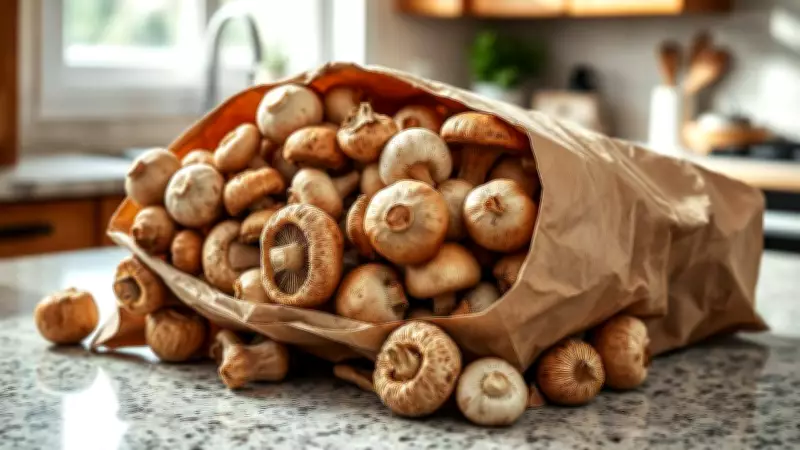
The Science Behind Mushroom Storage: Why Plastic Fails and Paper Succeeds
Every home cook has faced this frustrating scenario: you return from the market with a beautiful batch of fresh mushrooms, only to find them transformed into a slimy, unappetizing mess within days. This common kitchen disappointment has a scientific explanation rooted in the unique biology of mushrooms, and the solution is surprisingly simple.
The Breathing Mushroom: Understanding Fungal Physiology
Mushrooms differ fundamentally from other vegetables in their composition and behavior. These fascinating fungi are approximately 90% water and continue to respire actively even after harvesting. This ongoing biological activity makes them particularly sensitive to their storage environment.
The plastic storage dilemma creates a perfect storm for mushroom deterioration. When placed in sealed plastic bags or containers, the moisture mushrooms naturally release becomes trapped, creating a humid microenvironment that accelerates decomposition. This trapped moisture provides ideal conditions for microbial growth, leading to the characteristic sliminess and off-flavors that render mushrooms inedible.

Paper Bags: Nature's Perfect Mushroom Preserver
Brown paper bags offer an elegant solution to this storage challenge through their unique physical properties. Unlike impermeable plastic, paper provides natural ventilation that respects the mushroom's respiratory needs while managing moisture levels effectively.
The porous fibers of brown paper bags perform two crucial functions simultaneously: they absorb excess moisture from the mushrooms while allowing sufficient airflow to prevent carbon dioxide buildup. This balanced environment significantly slows the spoilage process, keeping mushrooms crisp and flavorful for extended periods.
Scientific research supports this practical approach. A study published in Mycoscience titled "Non-destructive assessment of moisture content in shiitake mushrooms (Lentinula edodes) by near-infrared imaging at 1450 nm" demonstrates how subtle moisture variations dramatically impact mushroom freshness and shelf life. The paper bag method naturally maintains this delicate moisture balance.
Practical Implementation: Maximizing Mushroom Longevity
Proper Paper Bag Storage Technique
To optimize your mushroom storage results, follow these evidence-based guidelines:
- Select appropriate paper: Use plain, uncoated brown paper bags. Avoid glossy or wax-coated papers that might impede airflow.
- Keep mushrooms unwashed: Resist the temptation to wash mushrooms before storage, as added water exceeds the paper's absorption capacity and accelerates spoilage.
- Store loosely: Place mushrooms gently in the bag without packing them tightly, then fold the top over loosely to maintain airflow while preventing dehydration.
- Refrigerate properly: Store the paper bag in your refrigerator's main compartment, where temperature and humidity are most stable.
Advanced Preservation Insights
While the paper bag method provides excellent everyday results, food science continues exploring more sophisticated preservation techniques. Research published in Foods journal examines "The Effect of Cold Plasma Treatment on the Storage Stability of Mushrooms (Agaricus bisporus)," demonstrating how advanced treatments can eliminate spoilage microbes without heat damage.
Another promising area involves sustainable packaging innovations. A Royal Society of Chemistry study titled "Sustainable biopolymeric films of gelatin/kappa-carrageenan reinforced with jackfruit-derived cellulose nanocrystals for mushroom packaging" investigates how natural materials can create optimal microclimates that balance moisture retention with ventilation needs.
For home kitchens, the paper bag approach offers a practical, accessible solution that aligns with these scientific principles. By denying spoilage microbes the moist environment they require while supporting the mushroom's natural respiratory processes, this simple method extends freshness significantly compared to plastic alternatives.
The Environmental and Practical Benefits
Beyond preserving your mushrooms, this storage method offers additional advantages:

- Reduced food waste: Longer shelf life means fewer spoiled mushrooms discarded
- Cost effective: Brown paper bags are inexpensive and often reusable
- Eco-friendly: Paper decomposes naturally unlike plastic alternatives
- Improved flavor: Properly stored mushrooms maintain their delicate taste and texture
This minor adjustment in kitchen practice requires no special equipment or significant expense yet delivers substantial improvements in food quality and sustainability. By understanding and respecting the biological needs of mushrooms, home cooks can enjoy fresher, more flavorful ingredients while reducing waste—a winning combination for any kitchen.