

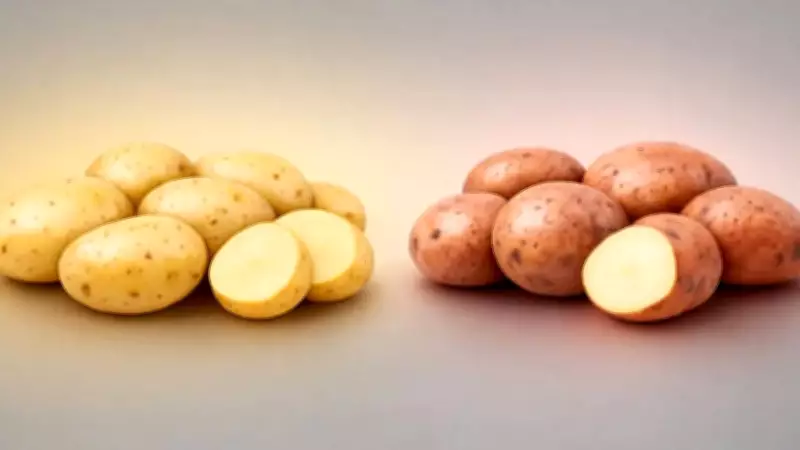
The Humble Potato: A Staple of Bengal's Culinary Heritage
The potato holds a position of profound significance in the culinary arts of Bengal, serving as a primary ingredient across a diverse range of dishes. This versatile vegetable features prominently in both daily meals and festive preparations, adapting to various cooking techniques and preparations that define the region's rich food culture.
Scientific Insights into Potato Varieties
A comprehensive study published in the National Center for Biotechnology Information provides crucial insights into how different Indian potato varieties exhibit distinct characteristics in cooking quality, texture, and storage behavior. The research highlights that fundamental factors including starch content, dry matter composition, and cellular structure play pivotal roles in determining how potatoes respond to heat during cooking processes.
The scientific investigation reveals that certain potato varieties tend to soften and break down more readily during cooking, while others maintain firmness and structural integrity, making them suitable for specific culinary applications. This scientific understanding forms the foundation for appreciating the practical differences between Bengal's most popular potato varieties.

Chandramukhi vs Jyoti: Texture and Taste Profile Analysis
The selection between Chandramukhi and Jyoti potatoes represents a thoughtful culinary decision rather than a random choice for most Bengali households. Both varieties enjoy widespread popularity throughout Kolkata and the broader Bengal region, yet each possesses distinct characteristics that make them suitable for different culinary purposes.
Texture Differences After Cooking
The primary distinction between Chandramukhi and Jyoti potatoes manifests in their post-cooking texture. Chandramukhi potatoes develop a characteristically softer and smoother texture when cooked. During the cooking process, this variety tends to dissolve slightly, making it exceptionally well-suited for gravies and dishes where flavor absorption represents a critical factor.
In contrast, Jyoti potatoes maintain a noticeably firmer texture after cooking, preserving their structural integrity throughout the culinary process. This quality prevents them from dissolving in water and helps them retain their distinct pieces, making Jyoti potatoes ideal for mixed vegetable preparations and dishes that don't require gravy components.
Flavor Characteristics and Absorption
Regarding flavor profiles, both varieties exhibit only subtle differences in their inherent taste. However, Chandramukhi potatoes demonstrate superior capacity for absorbing and integrating flavors from other ingredients and spices within a dish. This enhanced flavor absorption capability represents one of Chandramukhi's most valued culinary attributes.
Culinary Applications: Biryani and Everyday Cooking
Chandramukhi: The Biryani Specialist
Chandramukhi potatoes have earned their reputation as the definitive choice for Kolkata-style biryani preparation. Their exceptional ability to absorb spices and cook to perfection has established them as the ideal variety for this iconic dish. The potatoes incorporated into biryani must become thoroughly infused with flavor, a requirement that Chandramukhi fulfills exceptionally well.
This culinary tradition traces its origins to the era of Wajid Ali Shah, whose cultural legacy significantly influenced the development of Kolkata's distinctive biryani style. Over time, Chandramukhi potatoes evolved into an essential ingredient that defines authentic Kolkata-style biryani, representing both historical continuity and culinary excellence.
Jyoti: The Versatile Everyday Potato
Jyoti potatoes typically serve general cooking purposes rather than specializing in particular dishes. This variety performs excellently in preparing dal, various vegetable curries, and fried food items where maintaining structural integrity represents a priority. Jyoti's reliable performance across multiple everyday preparations has solidified its position as a kitchen staple throughout Bengal.

Agricultural Production and Market Dynamics
Yield and Pricing Factors
Significant distinctions emerge in the agricultural cultivation of these two potato varieties. Jyoti potatoes generally produce higher yields, making them preferred by growers for reasons of productivity and reduced agricultural risk. The increased yield rate translates to comparatively lower market prices, enhancing Jyoti's accessibility to consumers.
Conversely, Chandramukhi potatoes yield less per cultivation and require more favorable climatic conditions for optimal growth. These agricultural factors contribute to Chandramukhi's higher market price, though its exceptional culinary value maintains strong consumer demand despite the premium cost.
Regional Production Centers
Specific regions including Hooghly, Tarakeshwar, and Dhanekhali have emerged as significant production centers for these potato varieties, owing to favorable soil conditions and established market demand patterns. These agricultural zones have developed specialized expertise in cultivating potatoes that meet Bengal's exacting culinary standards.
Historical Development and Origins
Neither Chandramukhi nor Jyoti represents indigenous potato varieties to Bengal. Both strains have been cultivated through systematic agricultural research aimed at addressing specific demands regarding yield, environmental adaptation, and cooking qualities. Research institutions including the Central Potato Research Institute and the International Potato Center have played instrumental roles in developing and refining these potato strains.
These organizations have facilitated the cultivation of improved potato varieties tailored to local conditions and culinary requirements. The potato itself originated in the Andes region of Peru, reaching Indian shores during the early 17th century through European trade networks that connected distant agricultural traditions.
Selecting the Appropriate Potato Variety
The decision between Chandramukhi and Jyoti potatoes ultimately depends on specific culinary requirements. Chandramukhi represents the ideal choice for dishes demanding superior flavor absorption capabilities, while Jyoti serves better for preparations where potatoes must maintain their structural integrity throughout cooking.
In Bengal's diverse culinary landscape, both varieties have established distinct functional roles that reflect the region's sophisticated approach to food preparation and appreciation. This thoughtful selection process underscores how seemingly simple ingredients contribute to complex culinary traditions that define cultural identity through food.
