

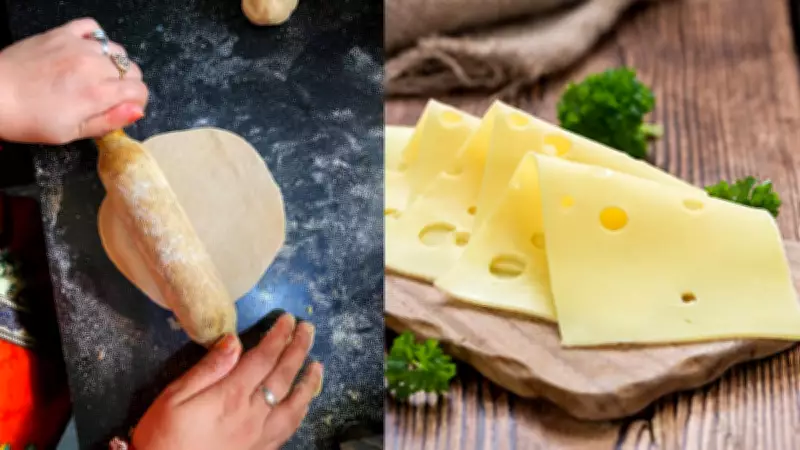
The Rise of Cheese in Indian Cuisine
In recent years, a quiet revolution has been unfolding in Indian kitchens, as cheese, once a foreign delicacy, has steadily colonized the humble chapati. This transformation reflects broader shifts in dietary habits, globalization, and the influence of fast-food culture. The chapati, a staple flatbread in Indian households for centuries, is now often paired with or stuffed with various cheeses, creating new fusion dishes that appeal to younger generations.
Historical Context and Cultural Shifts
The integration of cheese into Indian cuisine is not a sudden phenomenon but part of a longer history of culinary adaptation. Traditionally, Indian diets relied on dairy products like paneer, but Western cheeses such as cheddar, mozzarella, and processed varieties gained popularity through colonial trade and later, globalization. The proliferation of pizza chains, burgers, and other fast-food outlets in urban India accelerated this trend, making cheese a common ingredient in everyday meals.
As incomes rose and lifestyles became busier, convenience foods gained traction. Cheese offered a quick, tasty addition to meals, leading to innovations like cheese-stuffed parathas, cheese-topped chapatis, and even cheese-based sauces for traditional dishes. This shift has sparked debates among nutritionists and cultural purists, who question the health implications and erosion of traditional food practices.

Health and Nutritional Considerations
The colonization of the chapati by cheese raises important health concerns. While cheese can provide protein and calcium, many processed varieties are high in saturated fats, sodium, and calories, contributing to rising rates of obesity and heart disease in India. Nutritionists emphasize the need for moderation, suggesting alternatives like low-fat cheese or traditional paneer to maintain balance.
Moreover, this trend highlights the broader issue of dietary westernization, where traditional, fiber-rich foods like whole wheat chapatis are being overshadowed by high-calorie, processed options. Public health campaigns are increasingly focusing on promoting indigenous, nutrient-dense foods to combat lifestyle diseases.
Economic and Social Impacts
Economically, the cheese industry in India has boomed, with domestic production and imports growing significantly. This has created opportunities for dairy farmers and food processors, but also led to concerns about food sovereignty and the dominance of multinational corporations. Socially, the adoption of cheese reflects changing tastes and aspirations, particularly among urban youth who view it as a symbol of modernity and global connectivity.
In rural areas, however, traditional chapati preparations remain prevalent, underscoring a digital divide in food habits. The fusion of cheese and chapati thus serves as a microcosm of India's evolving identity, blending local traditions with global influences.
Future Trends and Cultural Reflections
Looking ahead, the cheese-chapati synergy is likely to continue evolving, with innovations in plant-based cheeses and health-conscious recipes gaining ground. As consumers become more aware of sustainability and nutrition, there may be a resurgence of interest in traditional methods, albeit with modern twists.
This culinary colonization is not just about food; it mirrors deeper societal changes, including urbanization, media influence, and economic liberalization. By examining how cheese has conquered the chapati, we gain insights into India's dynamic food landscape and the ongoing negotiation between heritage and innovation.

