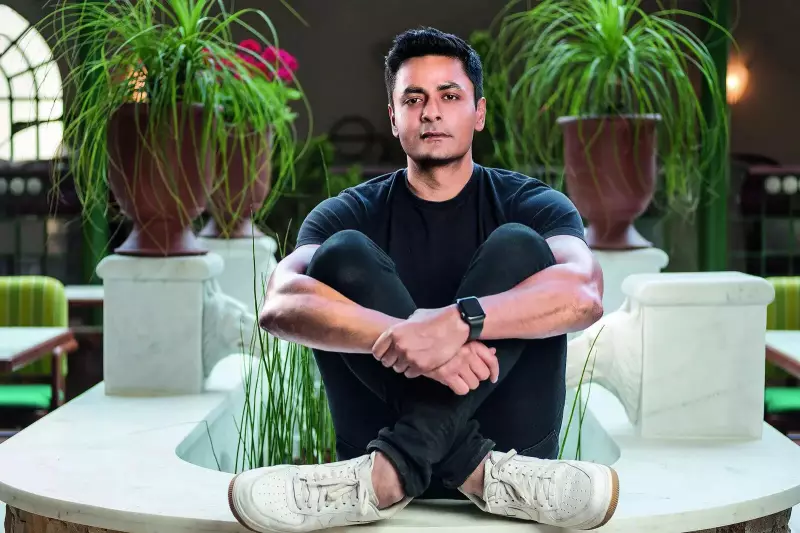
For renowned chef and restaurateur Manu Chandra, the guiding principle has been simple yet powerful: stay the course, stay true. In a candid reflection, he reveals the challenges of maintaining epicurean perfection in a dynamic industry that constantly pressures for reinvention. His unwavering belief in Western cuisine and culinary tradition propelled a 20-something boy to New York, into the demanding world of Michelin-star kitchens and the opening team of a luxury hotel.
The Foundation: New York Lessons and a Homecoming
Even during his formative years, Chandra's instinct was to dig deep, remain honest, and stay creatively inspired. As a student, his ambition was clear: to evolve his métier and enrich India's culinary fabric. By 2004, he was on a fast track in New York, receiving recognition and excelling. Yet, a powerful pull to return home and pioneer change led him back. A conversation with AD Singh of Olive Bar & Kitchen, coupled with his family's desire for his return, marked the decisive start of his Indian journey.
Chandra's first memory of Bengaluru dates back to his teens, being dropped off at Brigade and MG Road. He recalls a city that felt warm, languorous, and buzzed with student energy, its openness and simplicity leaving a lasting impression.

Building a Culinary Empire in Bengaluru
His return set the stage for a decade of evolution. From creating a dialogue between India and France at the 75th Cannes Film Festival to building iconic establishments, his goal remained constant: to offer honest, world-class cuisine. His portfolio reads like a map of modern Indian dining: Olive Beach, Monkey Bar, Fatty Bao, Toast and Tonic, Begum Victoria, and Like That Only.
In 2015, Olive found a new home in a small bungalow on Wood Street. Initially opening to a largely expat crowd who understood his food, Chandra faced lukewarm responses at times. Gourmet dining was still alien; steak often meant brown gravy. Undeterred, he introduced medium-rare steaks, sous-vide, and modernist techniques long before they became commonplace. He didn't dumb things down but struck a careful balance. Olive, run with a tight team, grew into an inadvertent training ground—Manu Chandra’s School of Graduates—for a city discovering epicurean pleasure.
This led to Monkey Bar, a casual gastropub reflecting his personal style: unfussy, playful, and focused on regional flavours with relaxed irreverence. Each venture brought lessons. Like That Only was ahead of its time. Fatty Bao delivered Asian food on a bootstrapped budget. Toast and Tonic was a whimsical ode to gin and good food.
Personal Trials and a New Chapter: Lupa
The COVID period was a time of deep loyalty from diners but also profound personal pain. While curating menus, Chandra's mother was diagnosed with cancer. Her final three days and her advice to "look after yourself" changed him. This pain grounded him, while his learnings pushed him forward. The heartbreaking but necessary decision to leave Olive, his life's work, followed. Equity didn't matter; ensuring his team was paid did. He walked away without regret.
Catering through Begum Victoria and the triumphant experience at Cannes, where his creations—from paniyaram molinas to vada pav in French brioche—won overwhelming praise from global audiences to stars like Tom Cruise and Deepika Padukone, turned the tide. This exposure was priceless.
From this, Lupa emerged slowly. Co-founded with Chetan Rampal and named after La Lupa, the she-wolf who raised Rome's founders, Lupa was not about being pathbreaking. In a saturated Bengaluru market, Chandra returned to his strengths and basics: solid, honest, and enduring Western cuisine, made fresh to order with no theatrics. It is his gift to Bengaluru, the city that gave him his edge.
Today, his life has come full circle—still a workaholic trying to slow down, but steadfast. As a sign at Lupa declares, it is proudly designed and made in Bengaluru, a testament to a career built on conviction, creativity, and an unwavering commitment to staying true.