

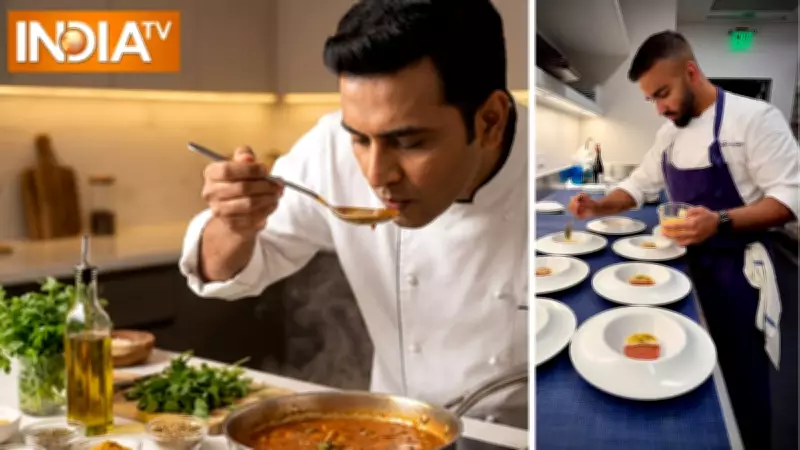
Chef Tricks to Elevate Your Home Cooking
Are you tired of your home-cooked meals tasting bland or lacking that restaurant-quality touch? You don't need a professional kitchen or expensive ingredients to cook like a chef. With a few simple tricks, you can instantly improve your cooking and impress your family and friends. Here are some chef-approved techniques that will transform your dishes.
Master the Art of Seasoning
One of the biggest mistakes home cooks make is under-seasoning their food. Chefs know that seasoning is not just about salt and pepper. Season your food at every stage of cooking, not just at the end. For example, when sautéing vegetables, add a pinch of salt to draw out moisture and enhance flavor. Also, don't forget to season your water when boiling pasta or potatoes; it should taste like the sea. Acid is equally important—a squeeze of lemon juice or a splash of vinegar can brighten up any dish.
Use the Right Knife Skills
Proper knife skills not only make cooking safer and faster but also ensure even cooking. Invest in a good chef's knife and keep it sharp. A dull knife is more dangerous than a sharp one. Practice uniform cuts so that your ingredients cook at the same rate. For instance, dice onions into consistent pieces to avoid some burning while others remain raw. Knife skills take practice, but they are fundamental to improving your cooking.

Control Your Heat
Understanding heat control is crucial. Many home cooks cook everything on high heat, but that often leads to burnt exteriors and undercooked interiors. Learn to use medium heat for most tasks and reserve high heat for searing or boiling. For example, when cooking eggs, low and slow yields creamy scrambled eggs, while high heat gives you a crispy fried egg. Let your pan heat up properly before adding oil or food to prevent sticking.
Enhance Flavors with Umami
Umami, the fifth taste, adds depth and savoriness to dishes. Chefs often use ingredients like soy sauce, fish sauce, miso, Parmesan cheese, or mushrooms to boost umami. A dash of soy sauce in a stew or a sprinkle of Parmesan on pasta can work wonders. Tomato paste is another umami bomb—fry it in oil before adding liquid to intensify its flavor.
Rest Your Meat
After cooking meat, let it rest before slicing. This allows the juices to redistribute, resulting in a more tender and flavorful bite. Cover the meat loosely with foil and let it rest for about 5-10 minutes, depending on the size. Never cut into meat straight from the pan or oven, as the juices will run out and leave it dry.
Use Fresh Herbs Strategically
Fresh herbs can elevate a dish from good to great. Add hardy herbs like rosemary and thyme early in the cooking process to infuse flavor, while delicate herbs like basil, cilantro, and parsley should be added at the end to preserve their freshness. Chiffonade basil by stacking leaves, rolling them tightly, and slicing thinly to release maximum flavor without bruising.
Finish with a Garnish
A simple garnish adds visual appeal and a final burst of flavor. Microgreens, a drizzle of olive oil, a sprinkle of flaky sea salt, or a few gratings of citrus zest can make your dish look restaurant-worthy. Garnishes should complement the dish, not overwhelm it.
Practice Mise en Place
Mise en place, meaning "everything in its place," is a chef's secret to efficient cooking. Prep all your ingredients before you start cooking: chop vegetables, measure spices, and portion proteins. This reduces stress and prevents burning food while you scramble to chop an onion. Clean as you go to keep your workspace organized.
Don't Overcrowd the Pan
When sautéing or frying, give your food space. Overcrowding the pan lowers the temperature and causes food to steam instead of brown. Cook in batches if necessary to achieve a nice golden crust on meats or vegetables. Use a pan large enough to allow even heat distribution.

Experiment with Spices
Don't be afraid to experiment with spices. Toast whole spices in a dry pan before grinding to release their essential oils and deepen their flavor. Create your own spice blends like garam masala or za'atar to add unique profiles to your dishes. Start with small amounts and adjust to taste.
By incorporating these chef tricks into your daily cooking, you'll notice a significant improvement in the flavor, texture, and presentation of your meals. Remember, practice makes perfect, and even small changes can lead to delicious results. Happy cooking!
