

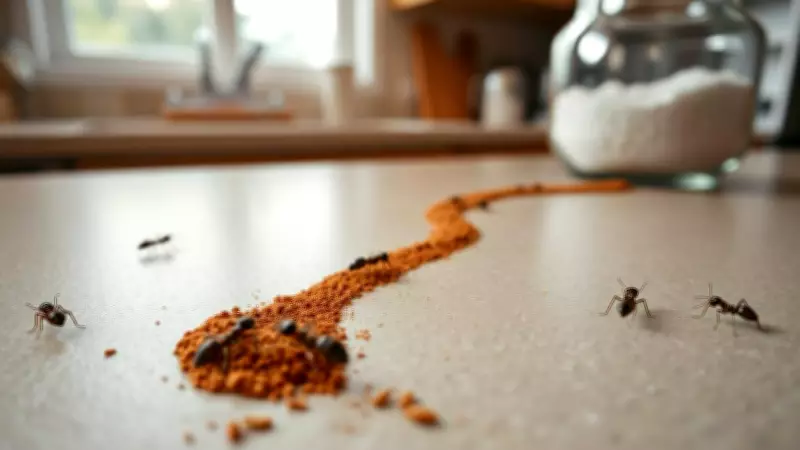
The Cinnamon Solution: A Natural Defense Against Kitchen Ants
It begins with a single scout ant, cautiously exploring the perimeter of your kitchen island. Within hours, this lone forerunner can establish a highly organized trail, directing its colony straight to your sugar jar or pantry. Rather than reaching for harsh chemical sprays that pose health risks, homeowners are increasingly turning to a simple, aromatic alternative already in their spice racks: cinnamon.
How Cinnamon Disrupts Ant Communication
Ants navigate their world primarily through scent, not sight. When a scout discovers a food source, it lays down a pheromone trail—a chemical breadcrumb path—for its nestmates to follow. This is where cinnamon intervenes powerfully. Sprinkling ground cinnamon along entry points or spraying cinnamon essential oil creates a fragrant barrier that confounds these tiny invaders.
The science behind this method is compelling. A peer-reviewed study titled "Terminating Red Imported Fire Ants Using Cinnamomum Osmophloeum Leaf Essential Oil," available on ResearchGate, identifies trans-cinnamaldehyde as cinnamon's active compound. This substance acts as both a repellent and a disruptor, overwhelming the ants' scent trails and disorienting them so severely they cannot retrace their path home.

Effectiveness and Practical Application
While ground cinnamon provides a basic deterrent, cinnamon essential oil delivers a more potent effect due to its higher concentration of trans-cinnamaldehyde. The oil not only masks pheromone signals but also forms a chemical-physical barrier ants are reluctant to cross. However, researchers emphasize this approach functions primarily as a repellent; it may not eliminate an established indoor infestation.
Consistency is crucial for success. Cinnamon's volatile oils evaporate over time, especially in drafty kitchens, necessitating regular reapplication. For optimal results, integrate this natural tactic with diligent home maintenance:
- Seal cracks in baseboards and walls with caulk.
- Immediately clean up food spills and residues.
- Store sweets and grains in airtight containers.
Safety Considerations and Integrated Pest Management
Despite being natural, cinnamon requires careful handling. Pure cinnamon essential oil can irritate skin and is toxic if ingested by pets. Experts advise using it sparingly in diluted forms and keeping it out of reach of children and animals.
Modern Pest Services highlights in their article "Cinnamon: The Spice That Makes Ants Think Twice" that an integrated strategy yields the best outcomes. Combining cinnamon barriers with physical exclusion and sanitation reduces the incentives for ants to enter, making the repellent doubly effective.
Embracing a Smarter, Non-Toxic Lifestyle
This cinnamon hack exemplifies how understanding pest behavior can lead to simple, health-conscious solutions. By leveraging an ordinary household spice, you can reclaim your kitchen without exposing your family to toxic chemicals. The result is a space that smells not of pesticides, but of warm, comforting spice—a small victory in the pursuit of a safer, more natural home environment.

