

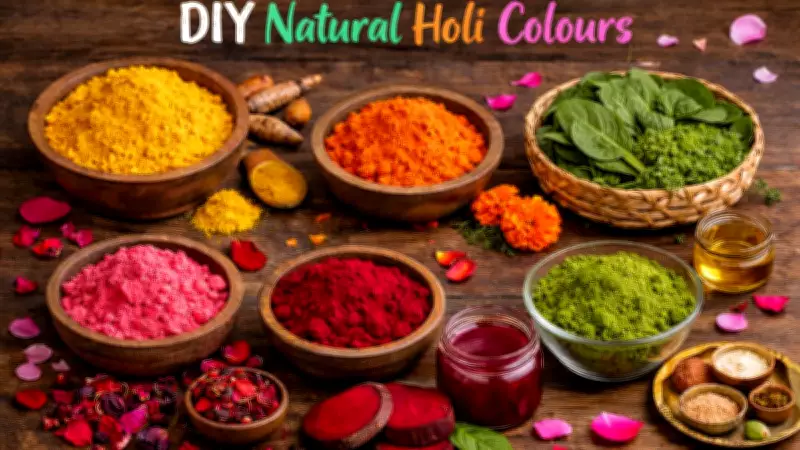
DIY Natural Holi Colors: A Complete Guide to Safe Homemade Gulal Recipes
As the vibrant festival of Holi approaches, concerns about chemical-laden colors and their harmful effects on skin and the environment are on the rise. In response, many people are turning to natural alternatives that are not only safe but also easy to make at home. This guide provides detailed DIY recipes for creating homemade gulal using common kitchen ingredients and natural sources, ensuring a joyful and healthy celebration.
Why Choose Natural Holi Colors?
Commercial Holi colors often contain synthetic dyes, heavy metals, and other toxic substances that can cause skin allergies, eye irritation, and environmental pollution. Natural colors, on the other hand, are derived from plant-based materials, spices, and flowers, making them biodegradable and gentle on the skin. By opting for homemade gulal, you contribute to a greener planet while protecting your health and that of your loved ones.
Essential Ingredients for Homemade Gulal
Before diving into the recipes, gather these basic ingredients, which are readily available in most households or local markets:

- Turmeric powder – for yellow color
- Beetroot – for pink or red hues
- Spinach or henna powder – for green shades
- Flowers like marigold or hibiscus – for orange and red tones
- Rice flour or cornstarch – as a base for dry colors
- Essential oils – for fragrance (optional)
Step-by-Step DIY Recipes for Natural Holi Colors
Follow these simple recipes to create a variety of vibrant gulal at home. Each method is designed to be cost-effective and environmentally friendly.
Yellow Gulal Recipe
Yellow is a traditional color for Holi, symbolizing happiness and prosperity. To make yellow gulal:
- Mix 1 cup of rice flour or cornstarch with 2 tablespoons of turmeric powder in a bowl.
- Add a few drops of water or rose water to form a crumbly mixture.
- Spread the mixture on a tray and let it dry in the sun for a few hours.
- Once completely dry, break it into fine powder using your hands or a sieve.
- Store in an airtight container until use.
This recipe yields a bright yellow color that is safe for skin and easy to wash off.
Pink or Red Gulal Recipe
For a romantic pink or bold red hue, beetroot is an excellent natural dye. Here’s how to prepare it:
- Grate 1 medium beetroot and boil it in 2 cups of water until the water turns deep red.
- Strain the liquid and discard the beetroot pulp.
- Mix the colored liquid with 1 cup of rice flour or cornstarch to form a paste.
- Spread the paste on a tray and dry it in the sun or a low-temperature oven.
- Once dry, crush it into a fine powder and store it properly.
Alternatively, you can use dried hibiscus flowers by grinding them into a powder and mixing with a base flour.
Green Gulal Recipe
Green represents nature and new beginnings. To create green gulal:
- Blend a handful of fresh spinach leaves with a little water to extract the juice.
- Mix the green juice with 1 cup of rice flour or cornstarch until well combined.
- Spread the mixture on a tray and allow it to dry completely.
- Break the dried mixture into a fine powder and store in a container.
For a deeper green shade, you can use henna powder mixed with a base flour.
Orange Gulal Recipe
Orange is a vibrant color often associated with energy and enthusiasm. Use marigold flowers to make orange gulal:
- Collect dried marigold petals and grind them into a fine powder using a blender or mortar and pestle.
- Mix the powdered petals with 1 cup of rice flour or cornstarch.
- Add a few drops of water if needed to form a crumbly texture.
- Dry the mixture in the sun and then crush it into a powder.
- Store in an airtight jar to maintain freshness.
Tips for Using and Storing Natural Holi Colors
To ensure the best experience with your homemade gulal, keep these tips in mind:

- Test on skin: Before playing Holi, apply a small amount of color on your arm to check for any allergic reactions.
- Moisturize: Apply coconut oil or moisturizer on your skin and hair before playing to make color removal easier.
- Storage: Store natural colors in airtight containers in a cool, dry place to prevent moisture and spoilage.
- Eco-friendly disposal: After Holi, dispose of leftover colors in compost or garden soil, as they are biodegradable.
Benefits of Homemade Natural Colors
Switching to DIY natural Holi colors offers numerous advantages beyond safety. They are cost-effective, as most ingredients are inexpensive and reusable. Additionally, making your own gulal can be a fun family activity, fostering creativity and bonding. Environmentally, these colors reduce plastic waste from commercial packets and minimize water pollution, as they dissolve easily without harmful chemicals.
In conclusion, embracing natural Holi colors through these DIY recipes not only enhances the festive spirit but also promotes health and sustainability. By preparing homemade gulal, you can enjoy a colorful and safe celebration while contributing to a cleaner environment. Start experimenting with these recipes today to make your Holi memorable and eco-friendly!
