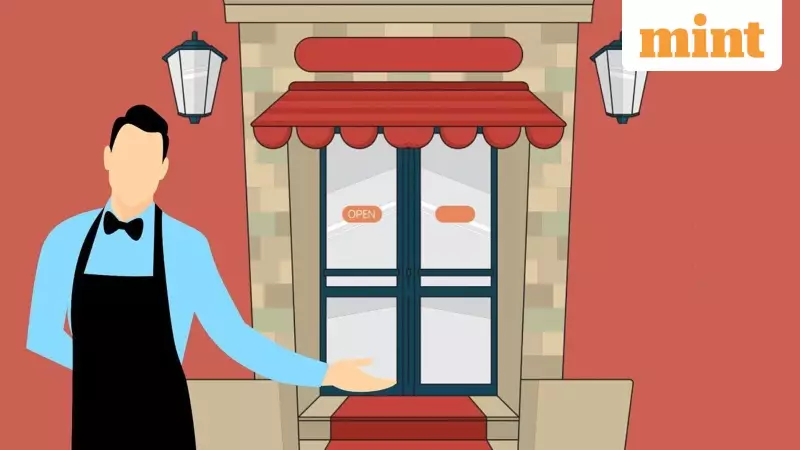
Have you ever wondered what your server really thinks when you dine out? Adam Reiner, a former career waiter at some of Manhattan's most exclusive restaurants, believes that transforming your dining experience starts with a shift in perspective. In his new book, "The New Rules of Dining Out," and insights shared with The Wall Street Journal, Reiner argues that the best meals are a partnership, not a one-sided transaction.
From Patron to Partner: Rethinking Your Role
Reiner, who has worked at famed New York establishments like Babbo, Carbone, and the Grill, challenges the common diner mindset. He suggests that guests often see hospitality as something that happens to them. Instead, he advocates for a more collaborative approach. "Think of yourself as a partner, not a patron," he advises.
This philosophy is echoed by industry leaders. Restaurateur Ellen Yin, founder of Philadelphia's High Street Hospitality Group, firmly states that for a great experience, diners must "meet the people serving you halfway." A simple gesture, like expressing excitement to your server, can build immediate rapport and set a positive tone for the entire meal.

Essential Etiquette for the Modern Diner
Based on his experience, Reiner outlines several key tenets for diners to adopt in 2026 and beyond.
Be Present, Not Just Polite: While kindness is appreciated, attentiveness is crucial. Arjav Ezekiel, co-owner of Birdie's in Austin, Texas, urges guests to "Put down your phone and engage with the staff." Being present allows you to fully experience the meal and makes the service team feel valued.
Avoid Over-Planning Your Meal: While research is common, rigidly storyboarding your dinner can backfire. Meshel Lewinski, a psychotherapist and avid diner, recommends engaging staff to learn about dishes they are proud of. This openness can lead to more memorable discoveries and a better connection.
Respect House Rules: Restaurant policies, like seating complete parties only, exist to maintain service standards for all guests. Ezekiel suggests thinking of a restaurant visit as attending a dinner party at someone's home. "Respect the rules of the house," he says.
The Tipping Truth and Table Turnover
As prices rise, tipping fatigue grows. However, Reiner clarifies a critical point: tipping is not optional "extra" money in the US system. With the tipped minimum wage as low as $2.13 per hour in some states, gratuities are a server's primary income.
"Tipping is not optional, in my mind," confirms Ezekiel. He advises budgeting for a 18-20% tip as standard for good service, and planning for it as part of the meal's total cost from the outset. Dipping below 15% is only warranted in cases of gross negligence.
Another delicate balance is time spent at the table. John Winterman, co-owner of Brooklyn's Michelin-starred Francie, explains that "restaurants rent real estate short term." While no one likes to feel rushed, habitually lingering long after finishing (known as "camping") can impact your ability to secure future reservations, as restaurants often keep notes.
The Ultimate Goal: A Life-Affirming Experience
In an era of viral reviews and prestigious awards, Reiner and his colleagues remind us of the core purpose of dining out. "We're just human beings, creating a meal we want people to come to together and enjoy," says Ellen Yin. Winterman adds a grounding perspective: "At the end of the day, it's just food."
The most impactful way to support a restaurant you love? Genuine advocacy. Beyond social media, good old-fashioned word-of-mouth and loyal patronage are what truly fill seats and build community. By embracing these principles, diners can ensure their restaurant experiences in 2026 are more satisfying, respectful, and enjoyable for everyone involved.