

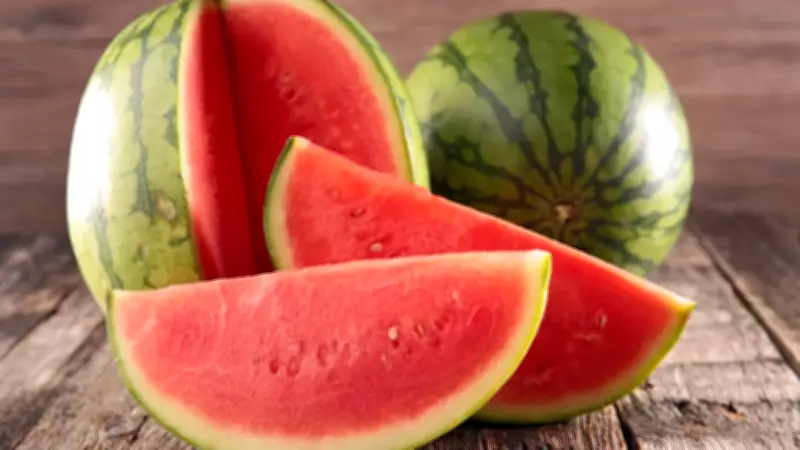
FSSAI Issues Critical Warning on Watermelon Adulteration with Toxic Dyes
Summer afternoons are synonymous with the refreshing sweetness of watermelon, a hydrating fruit that offers a perfect respite from relentless heat. Packed with essential vitamins A and C, watermelon consists of approximately 90% water, supporting healthy skin, boosting immunity, and promoting good vision. This vibrant fruit is also a rich source of antioxidants like lycopene, which helps protect the body from cellular damage and supports cardiovascular health. However, as demand for this seasonal delight surges, so does the alarming risk of adulteration by unscrupulous sellers.
The Growing Threat of Chemical Adulteration in Watermelons
To enhance the appearance of watermelons, making them look redder, juicier, and fresher, some vendors resort to using unsafe chemicals or artificial dyes. According to the Food Safety and Standards Authority of India (FSSAI), the most common adulterant found in watermelons is erythrosine, a synthetic dye that poses significant health risks. FSSAI has emphasized that erythrosine is no less than poison for the human body and urges consumers to exercise vigilance when purchasing watermelons. The authority recommends a straightforward, effective trick to verify the purity of this beloved summer fruit.
Simple Cotton Ball Test to Detect Adulterated Watermelon
FSSAI advises consumers to perform a quick and easy test at home. First, cut the watermelon into two halves. Then, take a small cotton ball and gently rub it on the inner, succulent part of the fruit. If the watermelon is unadulterated, the cotton ball will not change color. However, if the fruit has been treated with erythrosine or similar dyes, the cotton ball will turn red, indicating contamination. This test is a reliable method to identify adulteration, as erythrosine is frequently used to artificially enhance the fruit's color.

Understanding Erythrosine and Its Health Hazards
Erythrosine, also known as Red No. 3 (E127), is a synthetic red or pink food dye commonly employed to impart a bright cherry-like hue to various foods. It is often found in fruits, beverages, and processed food items. While minimal exposure might not cause immediate harm, excessive intake through adulterated fruits can lead to severe health issues.
- Thyroid Disruption: High consumption of erythrosine may adversely affect the thyroid gland, potentially disrupting hormone function and leading to metabolic imbalances.
- Behavioral Effects in Children: Excessive intake has been linked to increased hyperactivity and attention-related problems in some children, raising concerns for young consumers.
- Skin Reactions: The dye can cause skin rashes, itching, and sensitive reactions, particularly in individuals with allergies or sensitivities to synthetic additives.
Additional Methods to Verify Watermelon Purity
Beyond the cotton ball test, consumers can employ other simple techniques to ensure they are consuming safe, natural watermelons.
- Water Test: Scoop out a small amount of the red pulp and mix it in a glass of water. If the water changes color instantly or turns reddish, it is likely laced with artificial dye. A natural watermelon will not bleed color into the water, making this a quick and effective check.
- Seed Observation: Examine the seeds closely. Real watermelon seeds are typically black or brown, depending on the variety. If you notice red or pink seeds, it is a strong indicator of adulteration, as artificial coloring can seep into the seeds when the flesh is tampered with. This visual cue is one of the easiest ways to spot contamination.
Adopting these simple habits can make a significant difference during peak watermelon season, helping you avoid chemical-laced fruit and ensuring your summer snacking remains safe and enjoyable. Always prioritize food safety by staying informed and vigilant when selecting seasonal produce.






