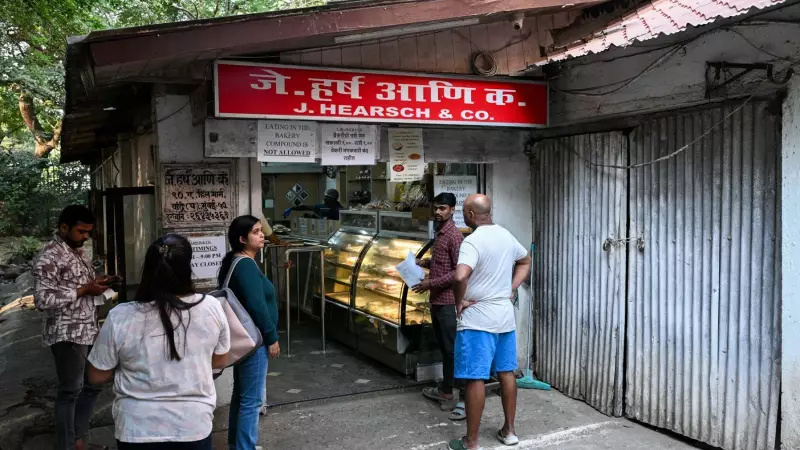
In the bustling lanes of Bandra, a slice of history with a distinctly German flavour continues to draw loyal crowds. J Hearsch & Co, a bakery founded over a century ago by a German national forced to flee during World War II, remains a beloved institution. However, its future at its current location hangs in the balance due to an ongoing property dispute, prompting patrons to cherish its iconic offerings while they still can.
A Legacy Forged in Displacement
The bakery is named after its founder, Jacob Hearsch (J Hearsch), a German gentleman who established the business in the early 1900s, if not earlier. His story is one of displacement and resilience, having been compelled to leave his homeland during the global conflict. Despite the upheaval, he created a culinary landmark in Mumbai that has endured for generations. Today, the bakery is run by the Dsa family, specifically Melwyn Dsa alongside his brother Stephen and daughter Megal.
Thriving Business with a Hands-On Ethos
The bakery, famous for its burgers, rolls, and puffs, is currently experiencing robust business. A queue system instituted during the Covid-19 pandemic remains in place to manage the steady stream of customers. "If the queue gets too long, we take two orders at a time," Melwyn Dsa explained. This commitment to direct customer service is why the bakery abstains from food delivery platforms. "Our focus is the counter crowd," he stated.

While holding true to its classic menu, J Hearsch & Co has also embraced contemporary trends. In September of last year, they introduced Korean cream cheese buns and bombolinis. "Korean cream cheese buns have a peculiar garlicky taste and not everyone likes them," Melwyn admitted. "But the response has been better than we expected." The bombolinis, however, were an anticipated hit that met all expectations.
An Uncertain Road Ahead
Despite its success, the bakery's future is clouded by uncertainty. Melwyn Dsa, who has dedicated his life to the business, revealed a significant challenge: there is no clear next generation in the family ready to take over, as the younger members are settled in other professions. The bakery demands a constant, physical presence, making succession complex.
More pressingly, the very location of the bakery is under threat. Fredrick Fernandes, a source familiar with the matter, highlighted that the Dsa family are tenants. "A builder has purchased five of the six shares of this property. The matter is in court, but once it settles, they will have to vacate," he said. While the legal process timeline is unclear, Fernandes estimates a resolution within two years.
This potential loss underscores the fragile nature of urban food heritage. The Dsa brothers are credited as the architects of the bakery's modern renown, having revamped it and maintained its quality so impeccably that Jacob Hearsch's granddaughters visited a few years ago to see their grandfather's legacy. For Bandra's loyal patrons, the message is clear: it is time to consciously savour these familiar and historic flavours, before they potentially become just a cherished memory.