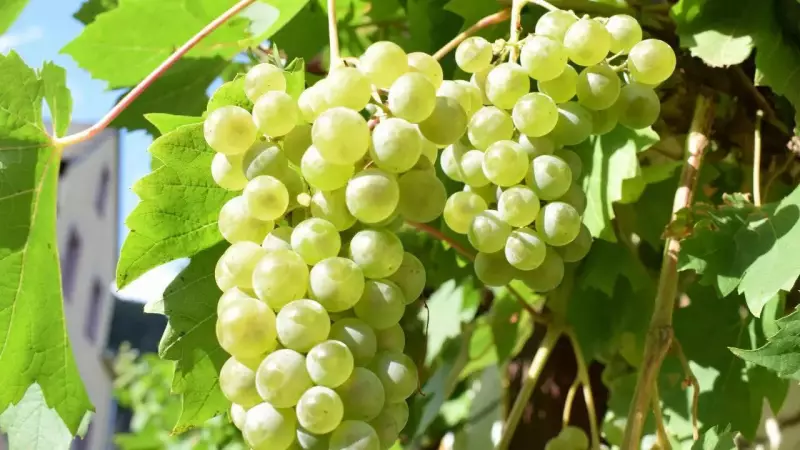
Establishing a home vineyard and cultivating your own grape farm represents one of the most rewarding gardening journeys you can undertake. There is immense satisfaction in witnessing your very own grapes develop during the first harvest from vines you planted yourself. Whether your goal is to grow sweet dessert grapes, organic juice grapes, or even wine grapes, laying a proper foundation is crucial for every step in developing your personal home vineyard and grape farm.
The Ultimate Guide to Growing Healthy Grapes in Your Own Backyard
Unlike many other fruits that demand daily attention, grapevines are remarkably adaptable after planting. With appropriate care and maintenance, you can cultivate healthy, productive grapevines and enjoy a bountiful yield. Follow these detailed steps to grow delicious and healthy grapes in your backyard with ease.
Choosing the Right Location
Selecting an optimal location is fundamental for grapevine success. Grape plants require a minimum of six to eight hours of direct sunlight daily to ensure grapes ripen with a sweet flavor. Adequate airflow is equally important to prevent disease development and facilitate plant pollination. Additionally, choose a site with well-drained soil to avoid root rot, which can occur in low-lying areas where water may accumulate.

Preparing the Soil
Healthy soil forms the foundation for productive vines. Grapes thrive in well-draining, sandy loam soil rich in organic matter. Test your soil pH, aiming for a range between 5.5 and 7.0 to ensure proper nutrient absorption. Enhance fertility and drainage by incorporating compost, aged manure, or leaf mould. Investing time in thorough soil preparation significantly boosts vine vigor and health, simplifying future care.
Selecting and Planting Grapevines
Choosing the right grape variety is essential. Decide whether you want table grapes for fresh eating, juice grapes, or wine grapes. Purchase certified organic starts or healthy rooted cuttings to give your vineyard the best possible beginning. Dig a hole twice as wide and deep as the root ball, set the vine in place, firm the soil gently, and water deeply to settle the roots. Young vines need consistent moisture during their first season to establish a robust root system.
Watering Your Grapes
Grapevines require meticulous watering practices. For young vines in their inaugural year, provide deep watering approximately once a week, adjusting based on rainfall. As vines mature, they become less water-sensitive; transition to less frequent but deep watering sessions that encourage root development. Mulching with straw or bark helps retain soil moisture, reduces soil temperature, and suppresses weed growth. Properly watered vines exhibit robust foliage and produce sweet, luscious grapes.
Supporting Vine Growth
As climbing plants, grapevines need structural support. Installing a trellis system elevates vines above ground level, enhances sunlight exposure, and facilitates pruning. Consider these options:
- Single Wire Trellis – Simple and beginner-friendly
- Vertical Shoot Positioning (VSP) – Ideal for wine grapes and improved airflow
Construct your trellis before planting to avoid disturbing roots later. Proper support promotes healthy vine growth and maximizes fruit production.
Seasonal Care for Healthy Grapevines
Seasonal maintenance is vital for vine health. In spring, prune dormant vines and train new growth onto the trellis. During summer, thin excessive foliage to improve air circulation. Autumn is the prime time for harvesting ripe fruits. In winter, protect vines from harsh conditions by applying protective layers.
How to Protect Grapes from Pests and Diseases
Pests, insects, and diseases can jeopardize grape production. To maintain healthy vines, implement these practices:
- Inspect vines regularly for aphids, spider mites, or caterpillars
- Prune carefully to remove dead or diseased wood
- Use organic sprays like neem oil if necessary
- Keep the area clean to prevent fungal diseases
Early intervention prevents severe infestations, safeguarding your grapes from damage.
How to Wash Grapes Before Eating
Even homegrown grapes require thorough washing before consumption. Follow these steps:

- Rinse grapes under cold running water to remove dirt and insects
- Soak in a mild vinegar solution (one part vinegar to three parts water) for five minutes to eliminate pesticides or bacteria
- Rinse again thoroughly and pat dry with a clean cloth or paper towel
Proper washing ensures grapes are clean, safe, and ready to enjoy.