

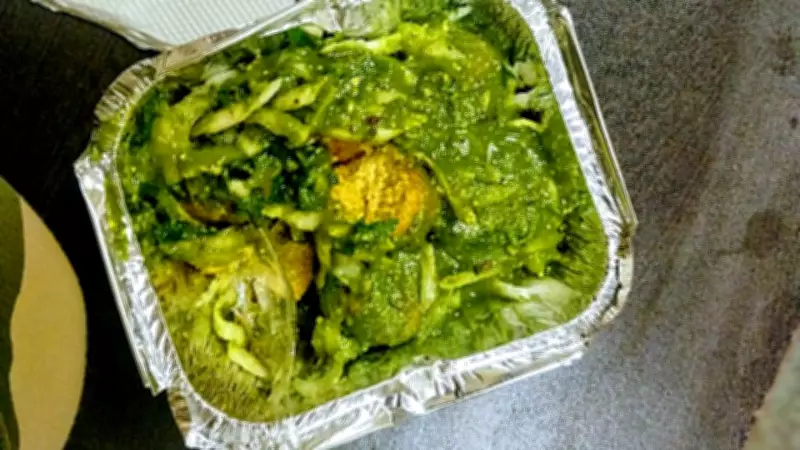
The Sweet History of Ram Laddu: From Temple Offering to Street Food Staple
In the bustling lanes of North India, a humble yet irresistible snack known as Ram Laddu has captured the hearts and taste buds of food lovers for generations. This deep-fried delicacy, made primarily from moong dal (split yellow lentils), is not just a treat for the palate but also a piece of living history, with roots that intertwine with religious traditions and culinary evolution.
Origins in Temple Offerings
The story of Ram Laddu begins in the sacred precincts of temples, where it was traditionally prepared as a prasad or offering to deities. Historical accounts suggest that this practice dates back centuries, with the snack being associated with Lord Ram, a central figure in Hindu mythology. The name "Ram Laddu" itself is believed to be derived from this divine connection, symbolizing purity and devotion. In temples, especially in regions like Uttar Pradesh and Delhi, priests would make these laddus using simple ingredients like moong dal, spices, and herbs, serving them to devotees as a blessed food item.
Evolution into a Street Food Phenomenon
Over time, Ram Laddu transitioned from temple kitchens to the vibrant street food scenes of North India. This shift occurred as vendors recognized its potential as a popular snack, adapting the recipe to suit mass appeal. The modern version typically involves:

- Soaking and grinding moong dal into a coarse batter.
- Mixing it with spices such as cumin, coriander, and green chilies.
- Deep-frying small, round balls until golden brown and crispy.
- Serving them hot, often garnished with tangy chutneys, chopped onions, and fresh coriander.
This evolution made Ram Laddu a staple at food stalls, fairs, and festivals, where its affordability and delicious taste made it a favorite among people of all ages. Today, it is commonly found in cities like Delhi, Lucknow, and Kanpur, often sold by street vendors who have perfected the art of making it over generations.
Cultural Significance and Regional Variations
Ram Laddu holds a special place in Indian culture, not just as a snack but as a symbol of community and tradition. During festivals like Diwali or Holi, it is often prepared at home or purchased from local markets, adding a festive touch to celebrations. In some regions, variations of the recipe include adding ingredients like grated vegetables or different types of lentils, showcasing the diversity of Indian culinary practices.
Moreover, the snack's association with Lord Ram has imbued it with a sense of reverence, making it a popular choice for religious gatherings and ceremonies. This blend of spirituality and gastronomy highlights how food in India often transcends mere sustenance to become a part of cultural identity.
Why Ram Laddu Remains Popular Today
The enduring appeal of Ram Laddu can be attributed to several factors:
- Nutritional Value: Made from moong dal, it is a good source of protein and fiber, making it a relatively healthy snack option compared to other fried foods.
- Affordability: Its low cost has made it accessible to a wide audience, from students to working professionals.
- Versatility: It can be enjoyed as a quick bite, a side dish, or even as part of a larger meal, adapting to various dining contexts.
- Cultural Continuity: As a dish with historical roots, it connects people to their heritage, preserving traditional recipes in a fast-paced modern world.
In recent years, Ram Laddu has also gained attention on social media and food blogs, with enthusiasts sharing recipes and reviews, further cementing its status as a beloved Indian street food. Whether enjoyed at a roadside stall or recreated in home kitchens, this snack continues to delight with its crispy texture and savory flavors.
In conclusion, the history of Ram Laddu is a testament to India's rich culinary tapestry, where food evolves while retaining its cultural essence. From temple offerings to street food icons, it remains a delicious reminder of tradition and innovation in Indian cuisine.

